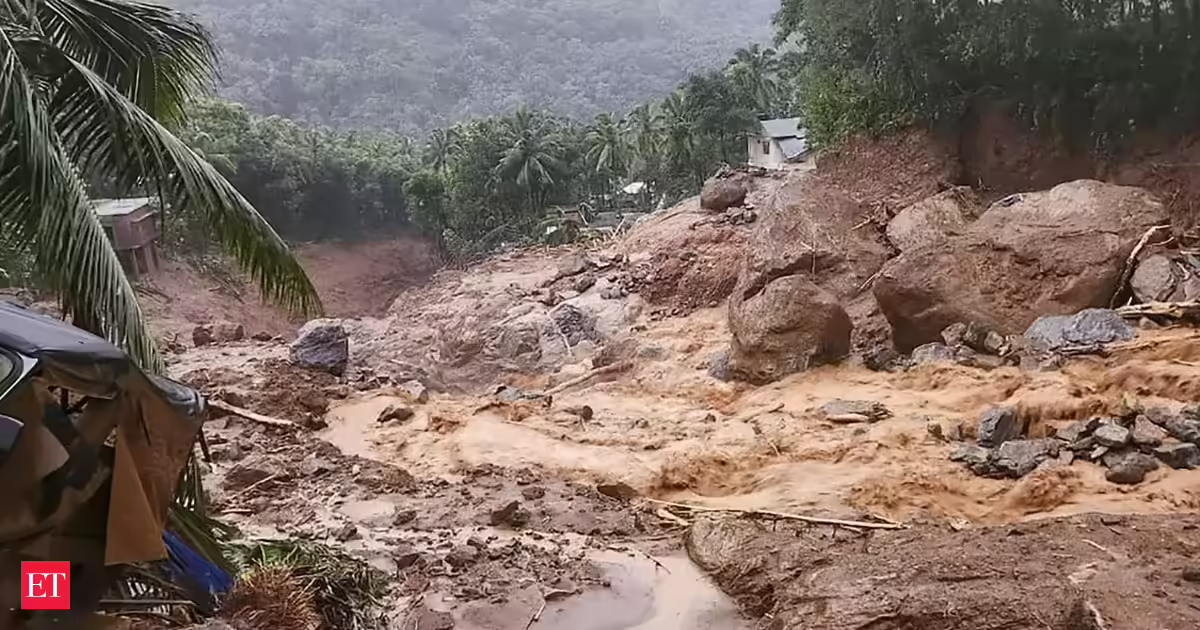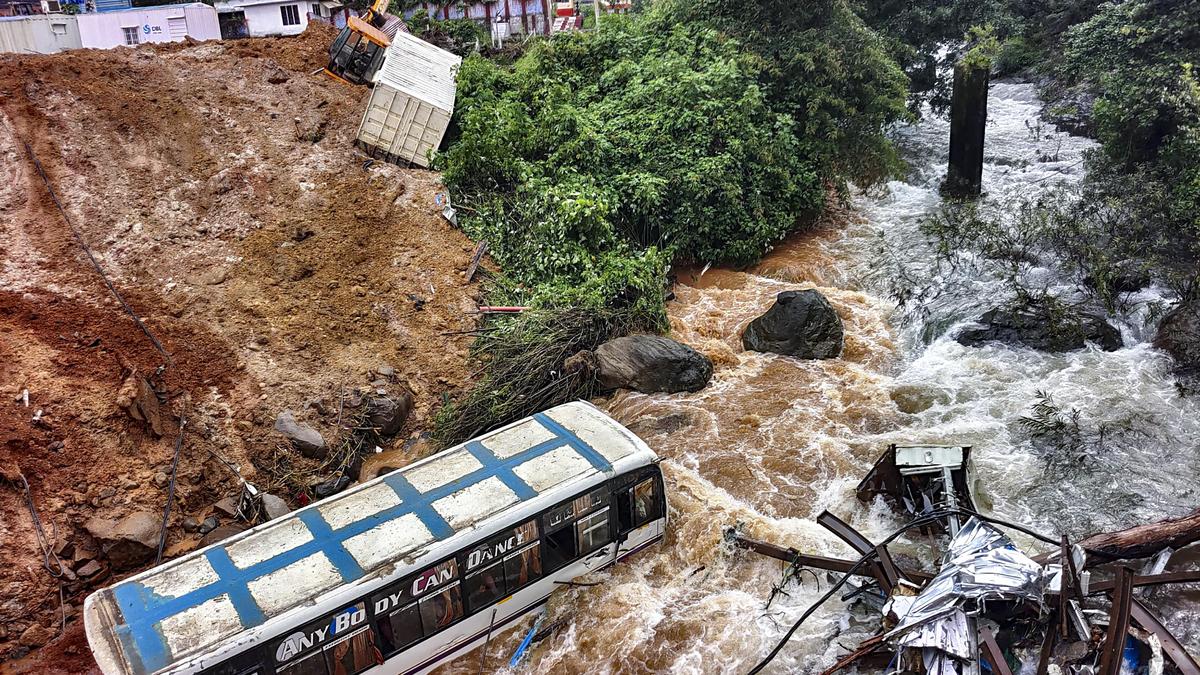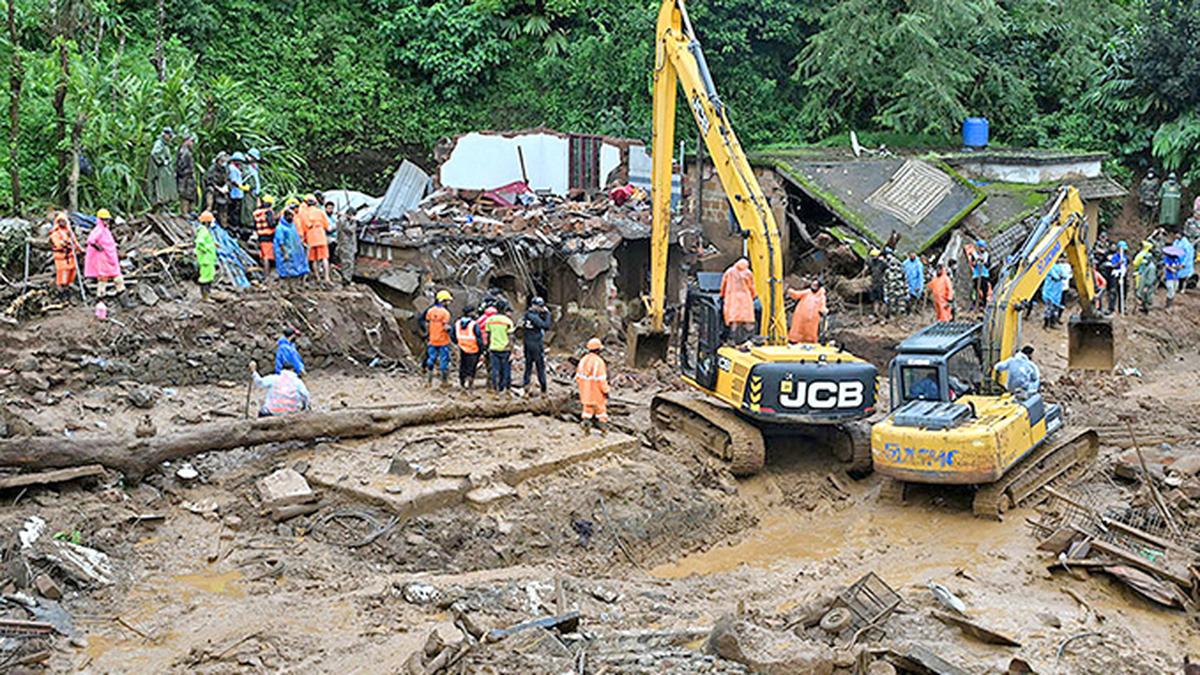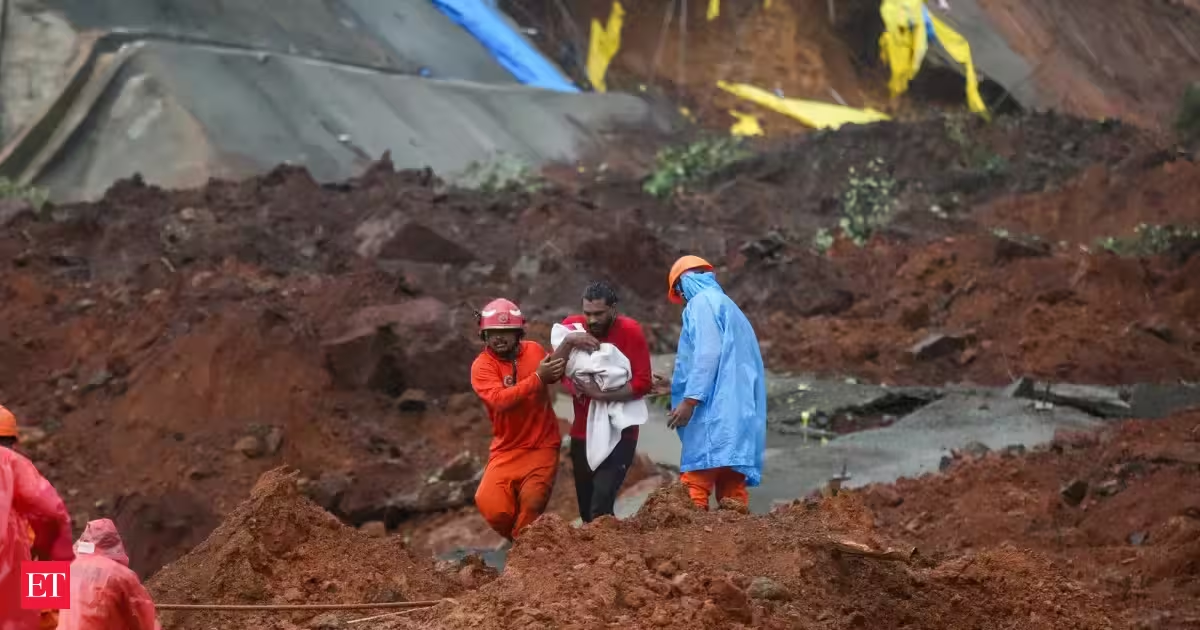
As rivers of mud and boulders swept down to bury villages in the devastating landslides in Wayanad last year, a 17-year-old was among those who lost everything they held dear. The disaster snuffed out the lives of both his parents. He was left without a house or possessions that could help him tide over the adversity. Traumatised and still coming to terms with his changed reality, the adolescent and his older sibling had to move to a relief camp.
An eight-year-old boy who lost his father to the landslides at the end of July last year was not well enough to go to school even two months after the tragedy, though his teachers were ready to support him through bridging classes or any other way possible.
As survivors of the tragedy struggle to pick up the pieces of their lives, children who suffered personal trauma remain the most vulnerable among them. Six children of different ages lost both parents on that horrific night and 10 lost either parent. There are nine children whose parents saw that dark night through but were left incapacitated to continue with their livelihood.
The Women and Child Development (WCD) department, in association with UNICEF, has now come up with a comprehensive post-disaster child protection model to support the rehabilitation of each of these young survivors, in addition to what has been already done by the government. This will be supported of the Wayanad district administration and corporate social responsibility initiatives.