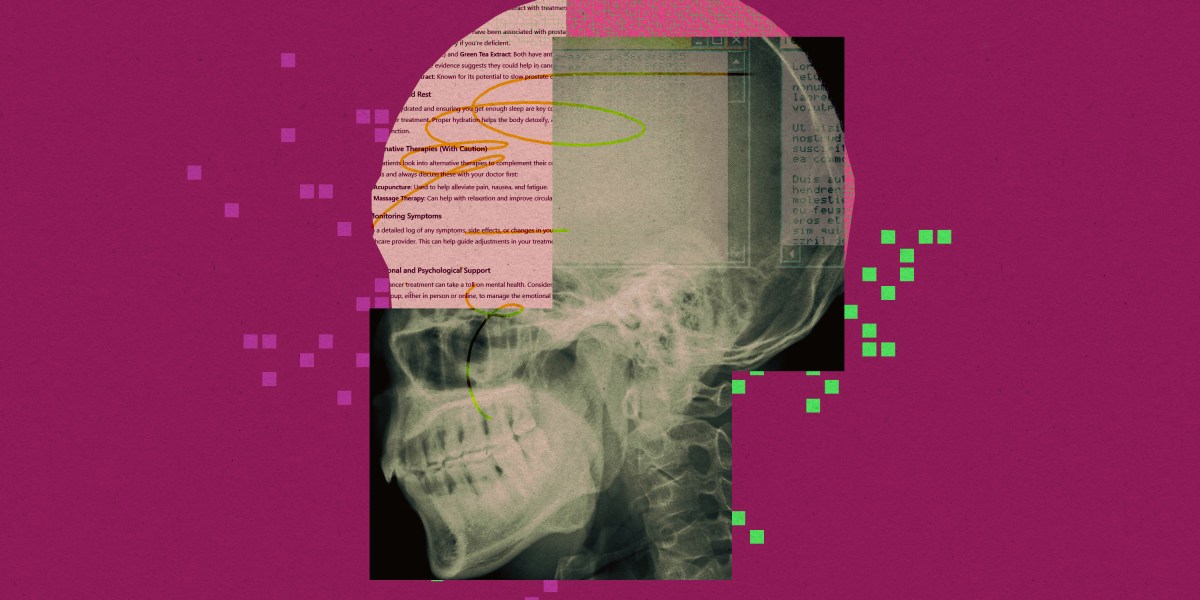
As “general intelligence” remains out of reach, OpenAI is leaning more on application-specific pitches. Health advice is its most dangerous test case.
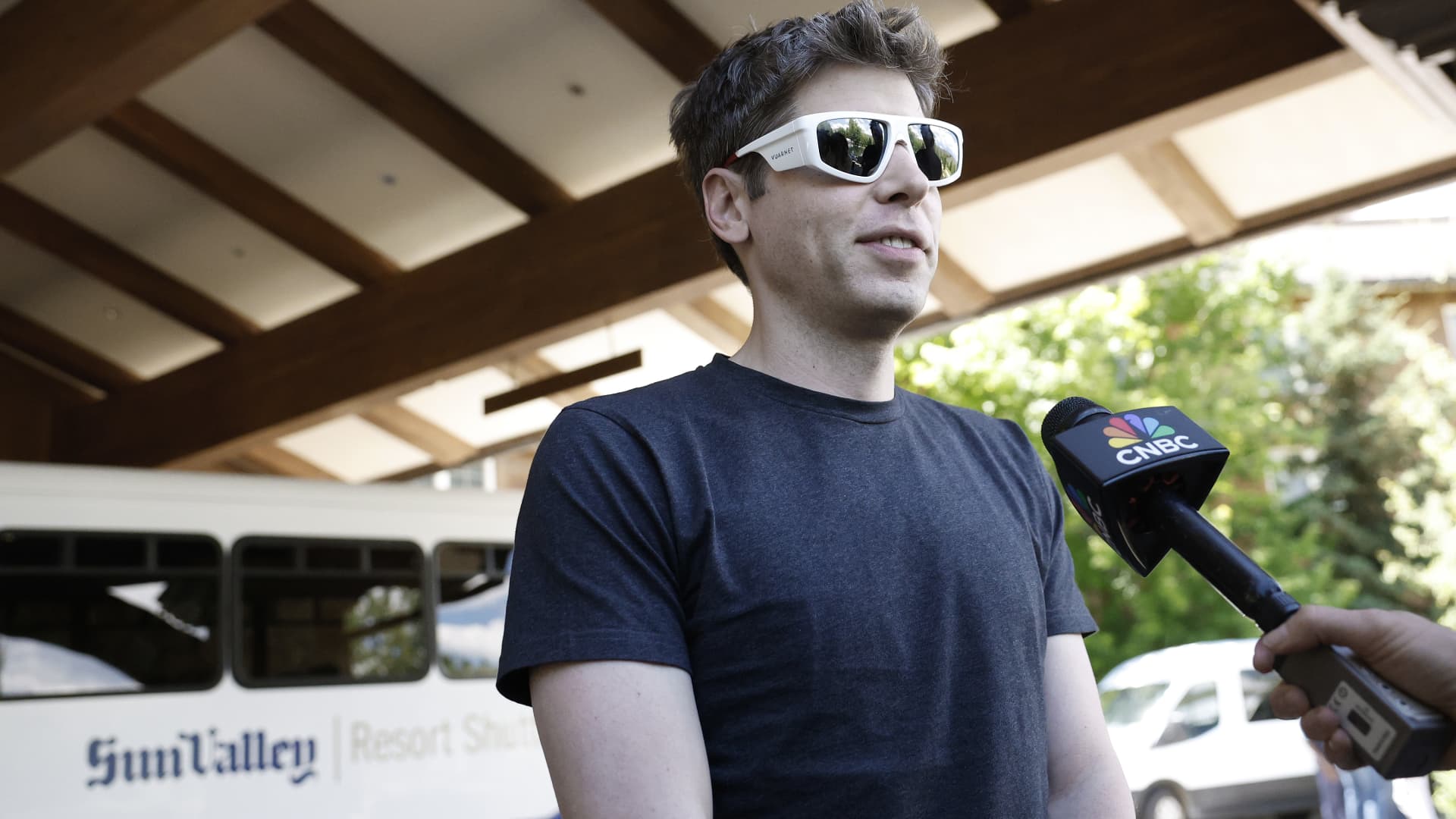
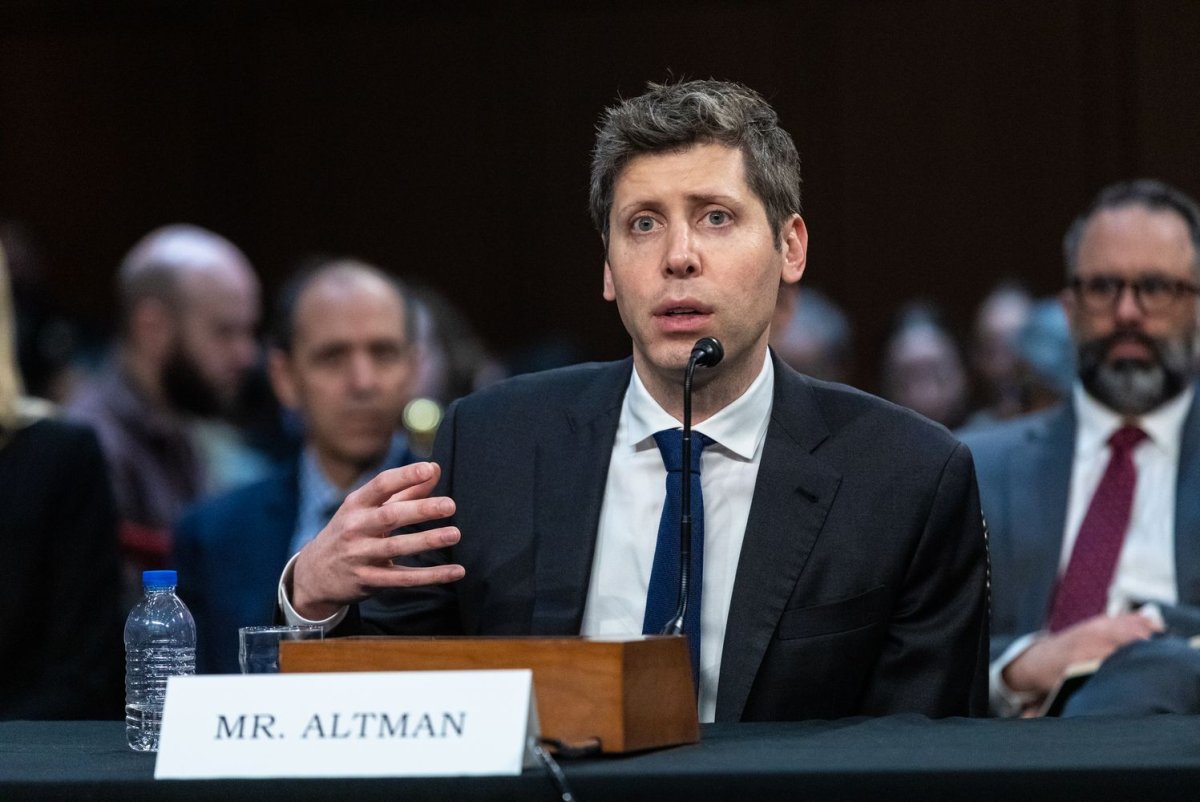
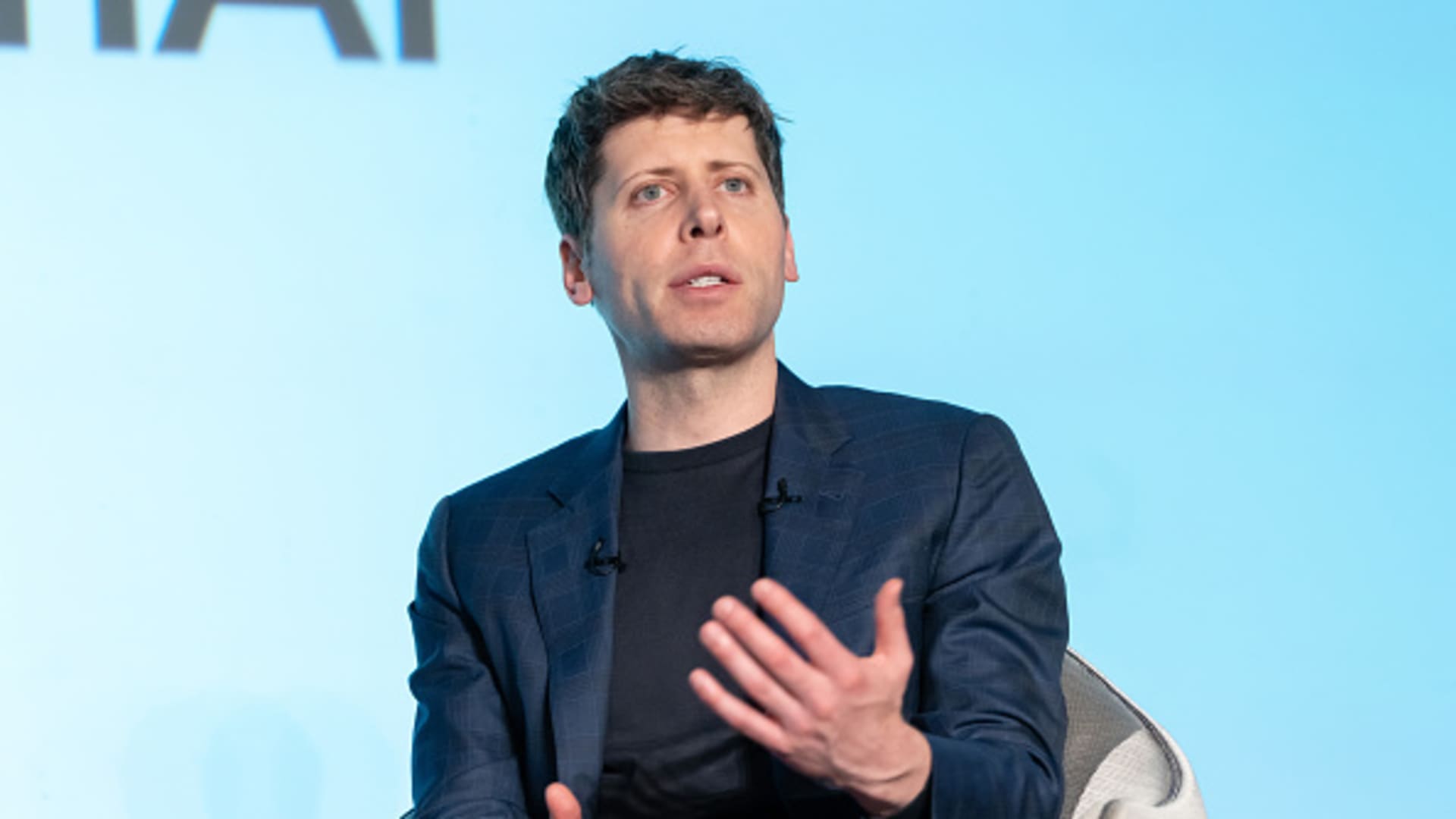
Before OpenAI released GPT-5 last Thursday, CEO Sam Altman said its capabilities made him feel “useless relative to the AI.” He said working on it carries a weight he imagines the developers of the atom bomb must have felt.
As tech giants converge on models that do more or less the same thing, OpenAI’s new offering was supposed to give a glimpse of AI’s newest frontier. It was meant to mark a leap toward the “artificial general intelligence” that tech’s evangelists have promised will transform humanity for the better.
Against those expectations, the model has mostly underwhelmed.
People have highlighted glaring mistakes in GPT-5’s responses, countering Altman’s claim made at the launch that it works like “a legitimate PhD-level expert in anything any area you need on demand.” Early testers have also found issues with OpenAI’s promise that GPT-5 automatically works out what type of AI model is best suited for your question—a reasoning model for more complicated queries, or a faster model for simpler ones. Altman seems to have conceded that this feature is flawed and takes away user control. However there is good news too: the model seems to have eased the problem of ChatGPT sucking up to users, with GPT-5 less likely to shower them with over the top compliments.