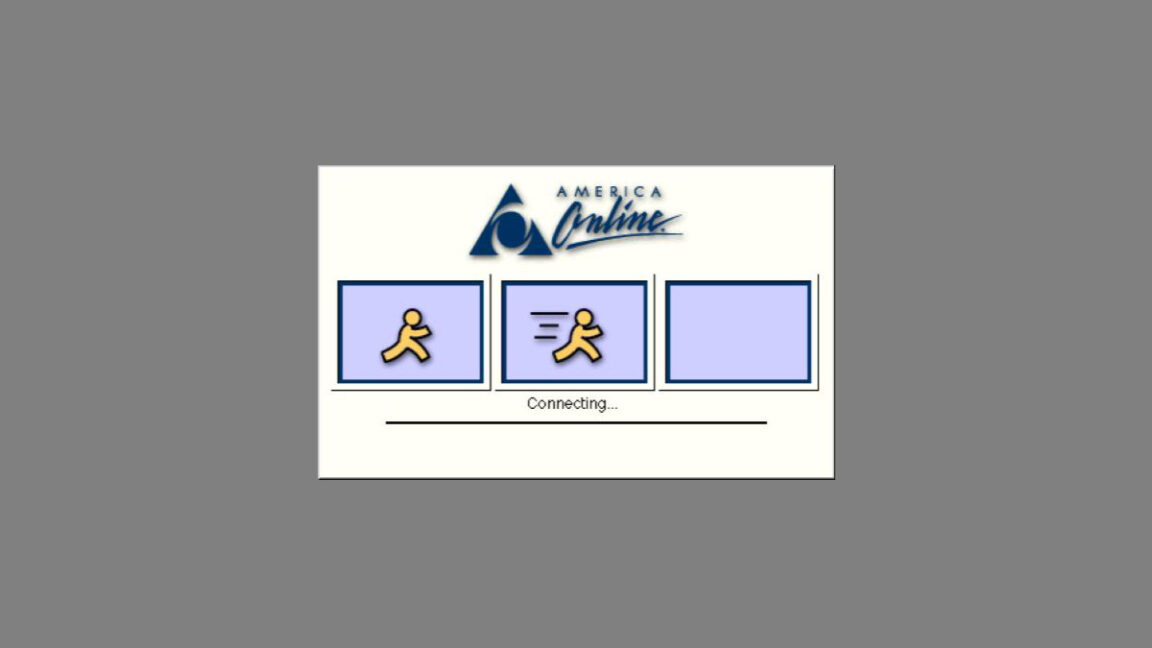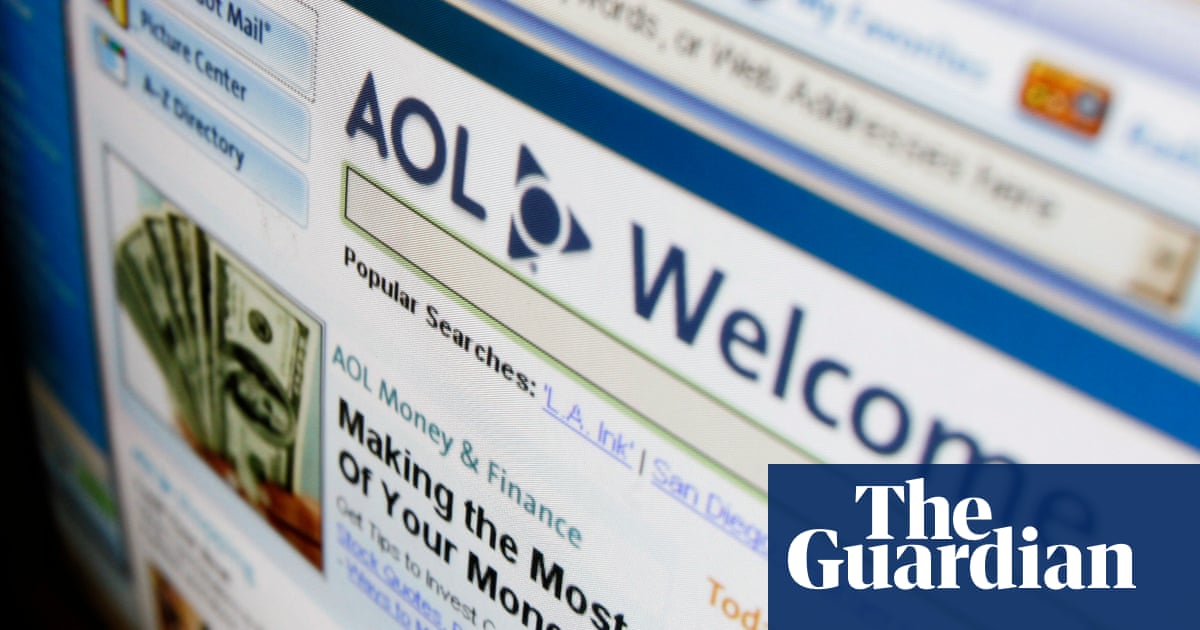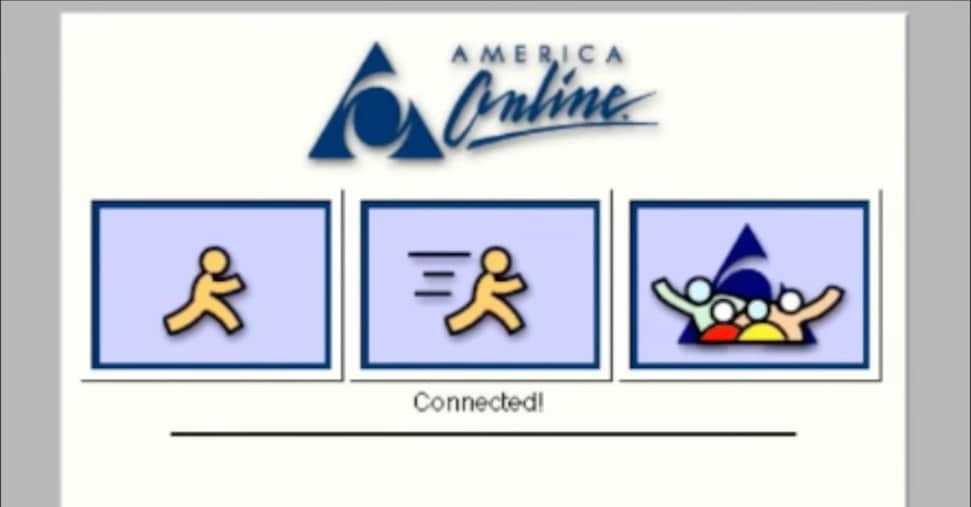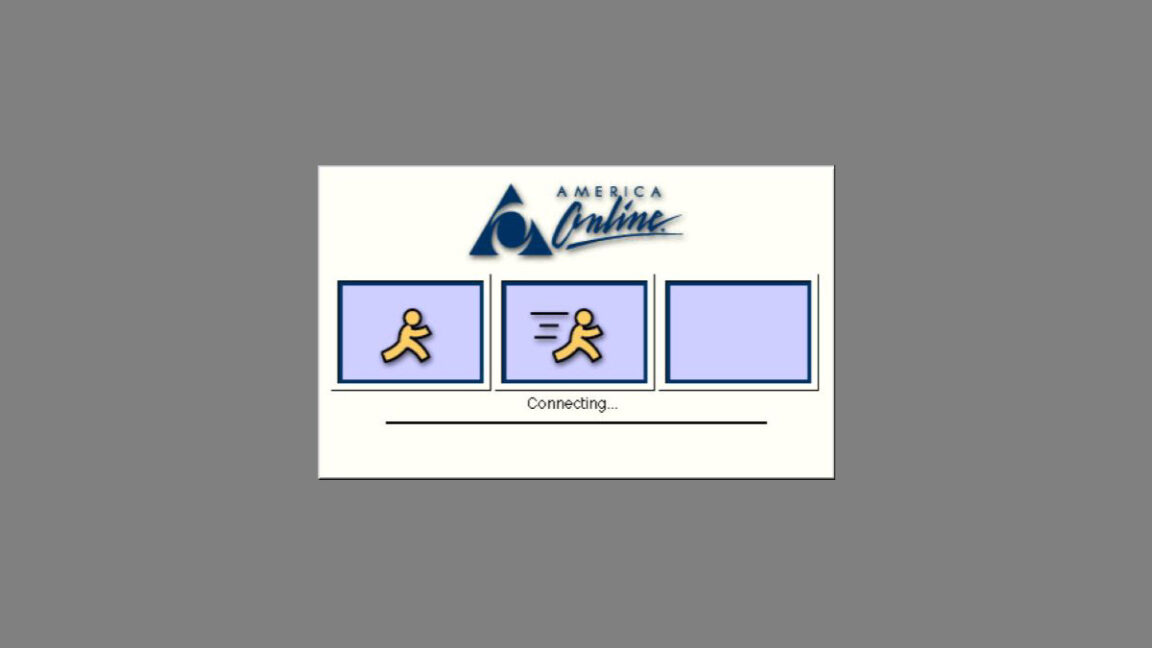
A screenshot of America Online’s version 2.5 client in 1995.
The company’s cultural impact extended far beyond mere connectivity. AOL Instant Messenger introduced many users to real-time digital communication. Chat rooms created some of the Internet’s first social networks. The famous “You’ve Got Mail” notification became so iconic that it was a title for a 1998 romantic comedy. For better or worse, AOL keywords trained a generation to navigate the web through corporate-curated portals rather than open searching.
Over the years, Ars Technica documented numerous dial-up developments and disasters that plagued AOL users. In 2015, 83-year-old Ron Dorff received phone bills totaling $24,298.93 after his AOL modem started dialing a long-distance number instead of a local access point—a problem that had plagued users since at least 2002, when New York’s attorney general received more than 50 complaints about similar billing disasters.
The financial risks weren’t limited to technical mishaps: AOL itself contributed to user frustration by repeatedly adjusting its pricing strategy. In 2006, the company raised dial-up rates to $25.90 per month—the same price as broadband—in an attempt to push users toward faster connections. This followed years of subscriber losses that saw AOL’s user base fall over time as the company struggled with conflicting strategies that included launching a $9.95 Netscape-branded service in 2003 while maintaining premium pricing for its main offering.