We and our vendors use cookies and similar methods (“Cookies”) to recognize visitors and remember their preferences. We also use Cookies for a variety of purposes, including analytics, to measure marketing effectiveness and to target and measure the effectiveness of ads. You can accept or reject the use of Cookies for individual purposes below. Some vendors process your data on the basis of their legitimate interest - you can object to such processing below. Your preferences will be saved in a cookie named “fides_consent” for a maximum duration of 12 months, as well as in your registered user account if you are logged in. If you previously accepted these methods through our prior banner, then we will use your data for targeting. Your preferences will apply on nytimes.com, as well as our News, Cooking, Games and Audio apps. Your preferences here are unrelated to Apple’s App Tracking Transparency Framework.
Supported by
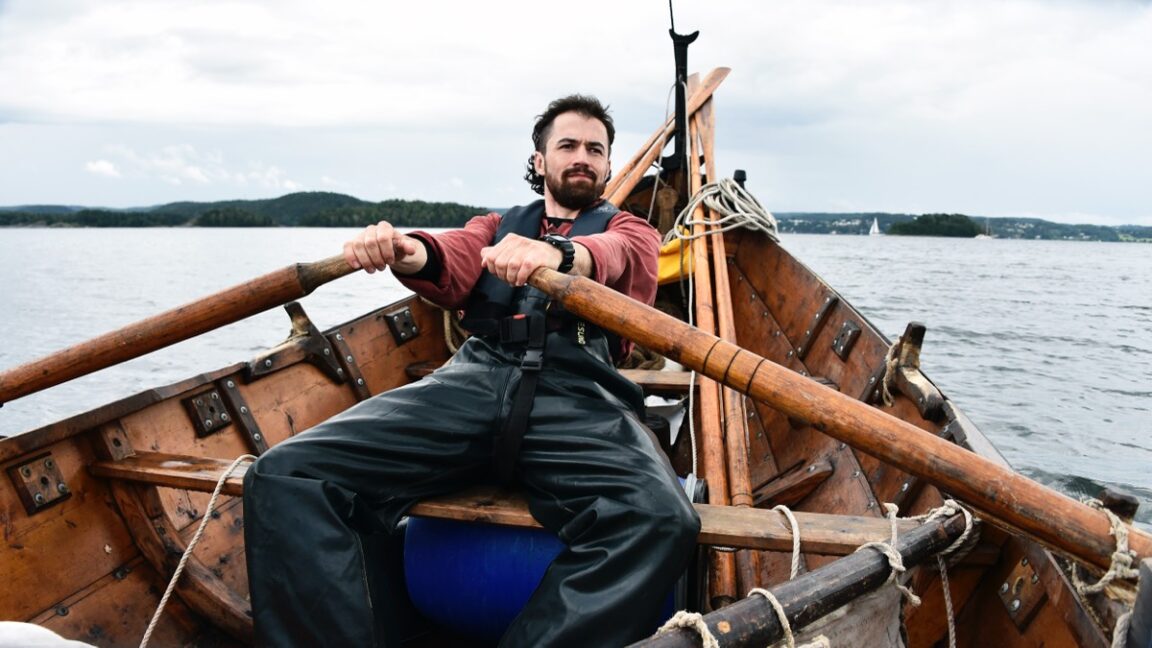
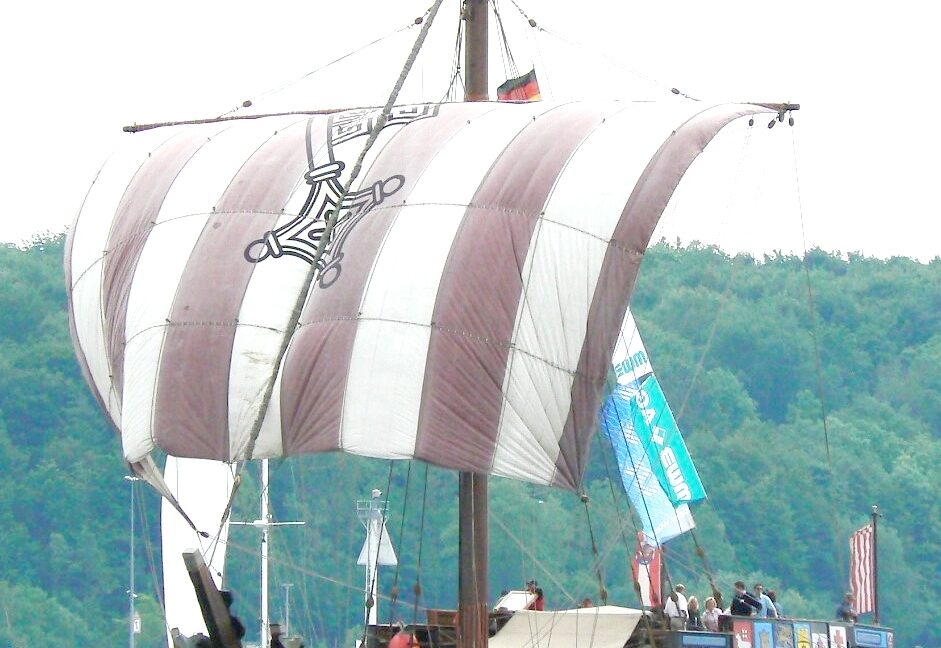
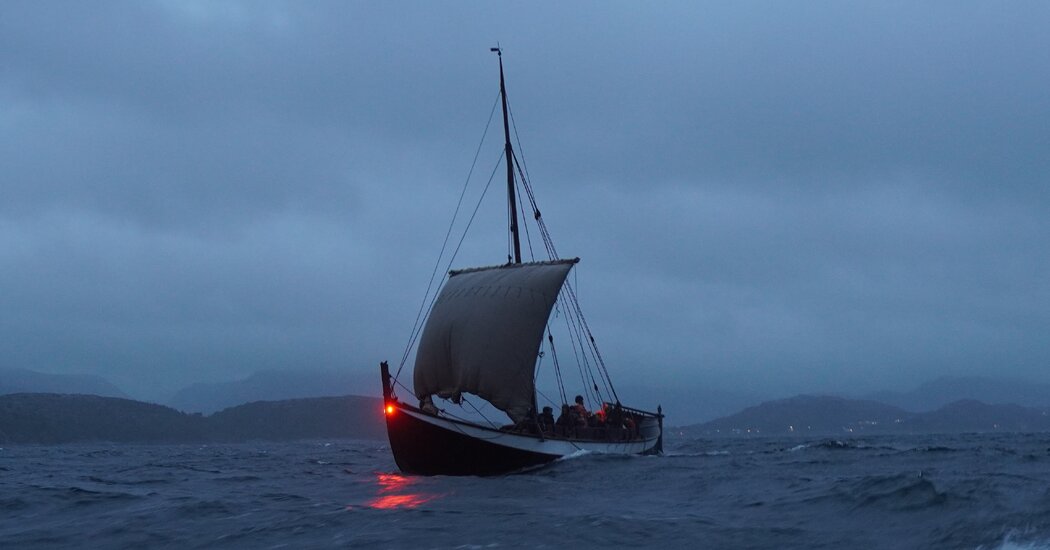
An archaeologist in Sweden spent three years traveling in vessels built like those from 1,000 years ago. He discovered lost sea routes, hidden trade harbors and new respect for Viking seamanship.
By Franz Lidz
Late in the summer of 2021, Greer Jarrett set out on the first of 26 voyages to retrace the maritime paths taken by Norse sailors during the Viking Age, which lasted from roughly A.D. 800 to 1050. The Vikings, beyond their reputation as medieval bad boys — Pillage People, if you will — were accomplished traders who established commercial routes that stretched all the way to Baghdad. Their primacy relied on mastery of the seas.