On a cloudy Friday morning, while idling in Dallas traffic, I noticed a new billboard for a nearby children’s hospital. I couldn’t ignore the irony of seeing a mother holding her newborn baby on the sign while on my way to visit patients who were close to dying.
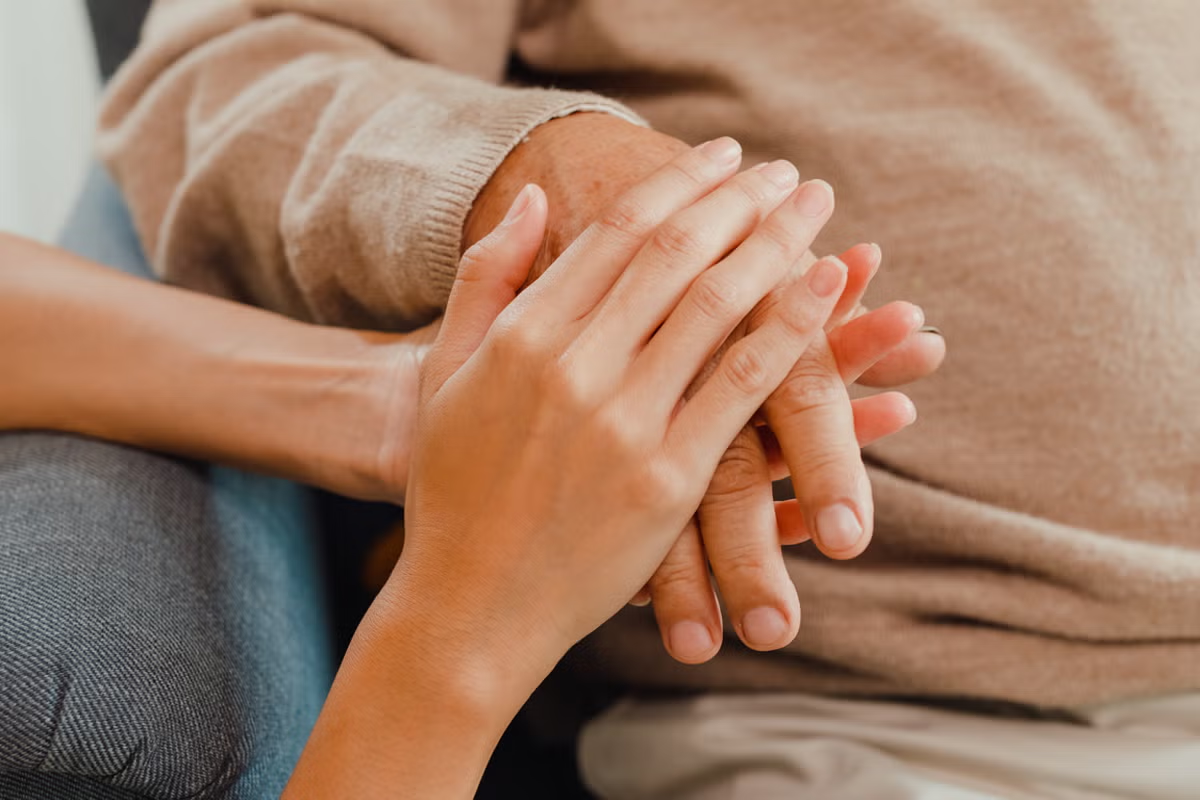
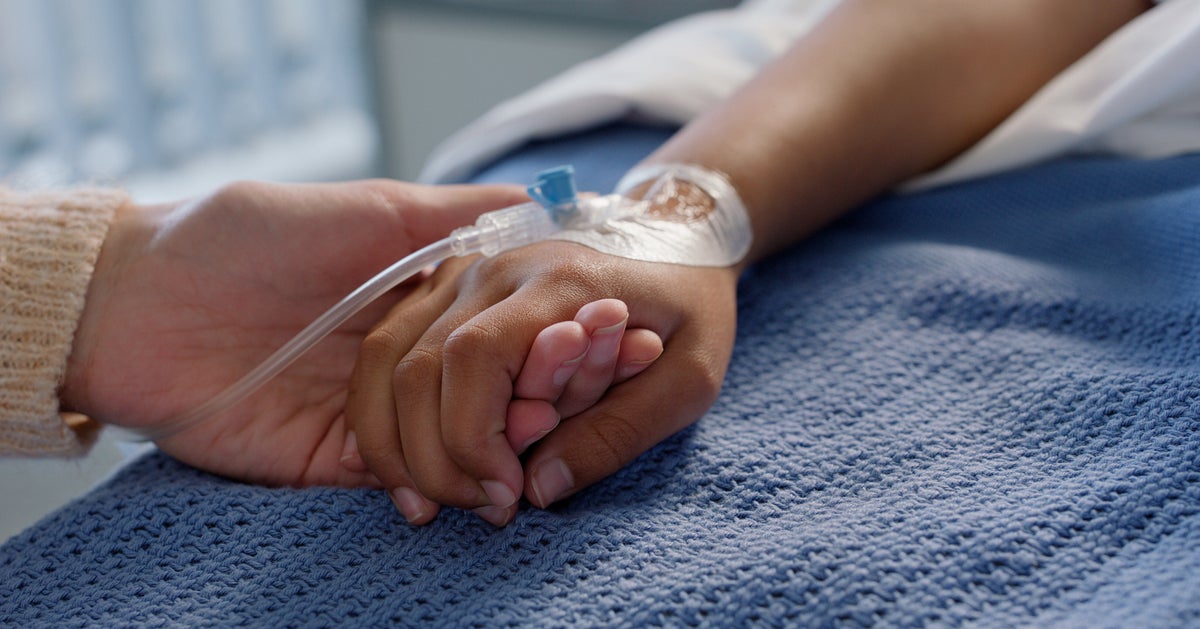
As a death doula (also known as an end-of-life doula), I spend time with adults in hospice who are in their final weeks, days or hours. It is one of the most vulnerable, gut-wrenching times of their lives and their family’s lives as well.
Many people assume that being around those transitioning to death and their loved ones who are already grieving their pending loss is the perfect recipe for depression and despair. Instead, sitting at the bedside with hospice patients inspires me to make the most of each moment in my own life and makes me more aware of my own mortality. Becoming a death doula has taught me about what to expect at the end of life and given me the opportunity to help others do the same.
If you believe in deeply personal journalism — the kind that connects us in our hardest, most honest moments — please consider becoming a HuffPost member today.
Four years ago, my father was discharged from a Midwest hospital to home hospice care. As he lay in the red metal hospital bed placed in the middle of his family room, the nurse pulled a bottle of morphine out of her bag. She explained its purpose and how much to give him every three hours. My mind raced: Isn’t this a medical professional’s job? Doesn’t she realize I don’t know what I’m doing? What if I give him a dose and he stops breathing within seconds?