“T
here is only one corner of the universe you can be certain of improving, and that’s your own self,” the prominent English scientist Thomas Henry Huxley once said. Nicknamed “Darwin’s bulldog” for his pugnacious defence of Darwin’s Theory of Evolution, Huxley believed that we shouldn’t claim to know things for which there is no evidence.
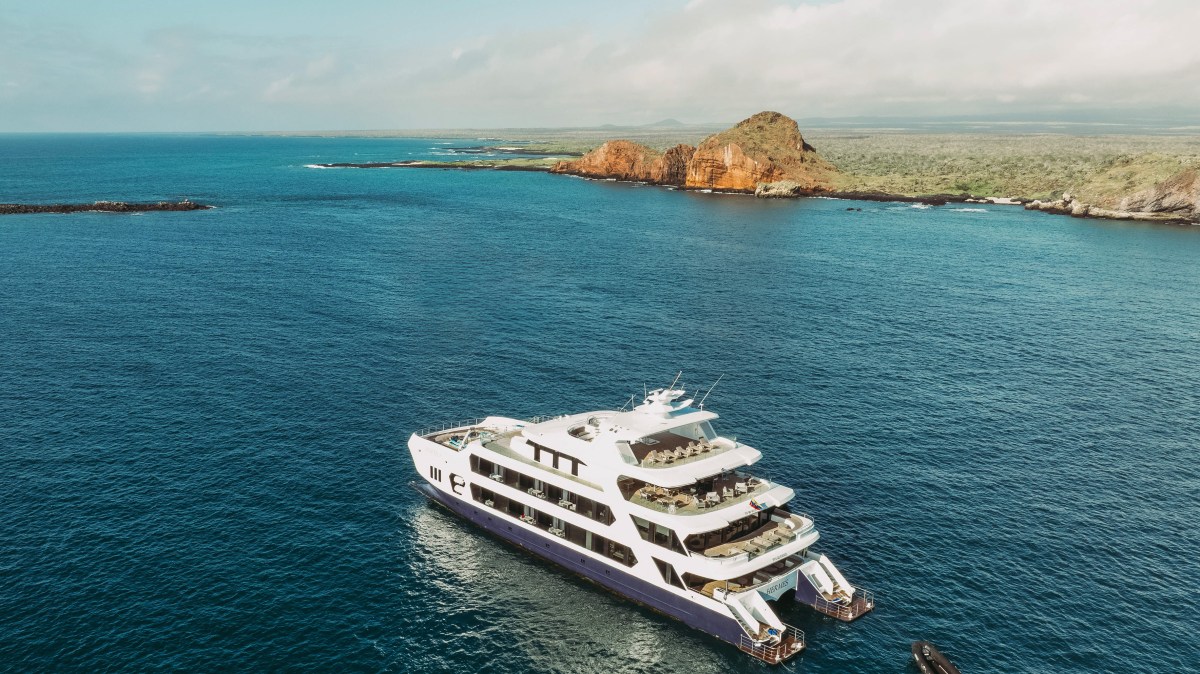
Brought to world attention 190 years ago, when the 26-year-old Charles Darwin arrived at the Galapagos during his five-year voyage aboard the HMS Beagle, the Galapagos has proved itself over the decades to be one of the world’s finest places to see wildlife. Thanks to the foresight of the Ecuadorian government, who in 1959 made the archipelago a national park, today its unique biodiversity has been conserved, making it the world’s finest natural laboratory for studying evolution.
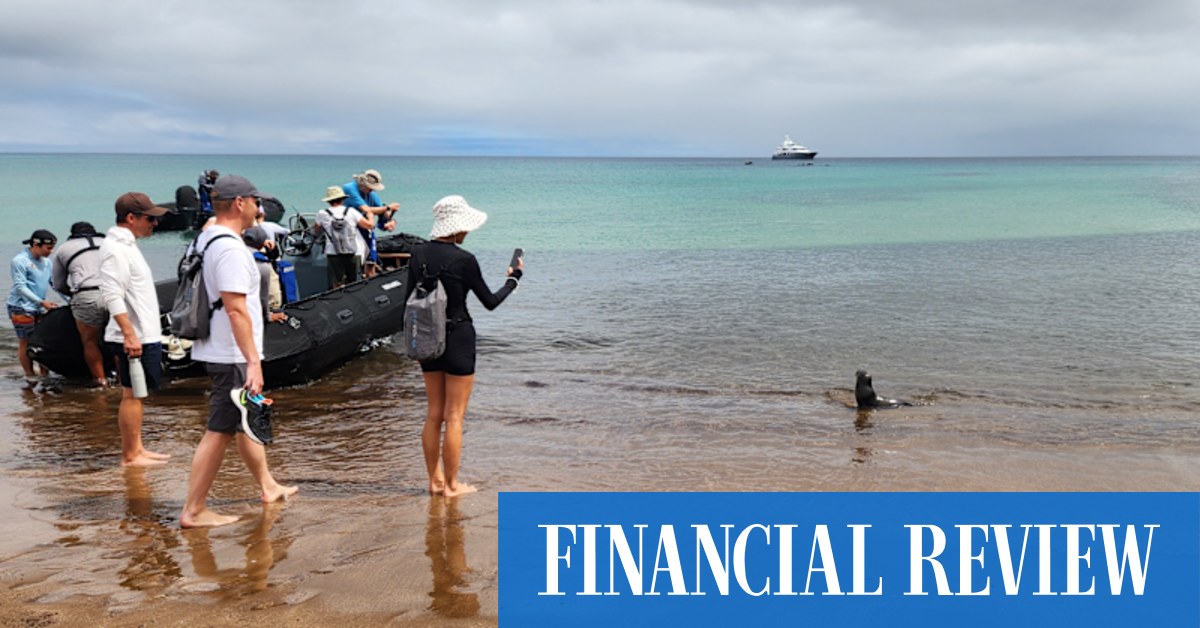
“There has never been a better time to visit the Galapagos,” Pablo Vargas, one of the certified naturalist guides, tells me, as we stroll along the copper sands of Rabida Island.
The mustard-hued scaly form of a land iguana