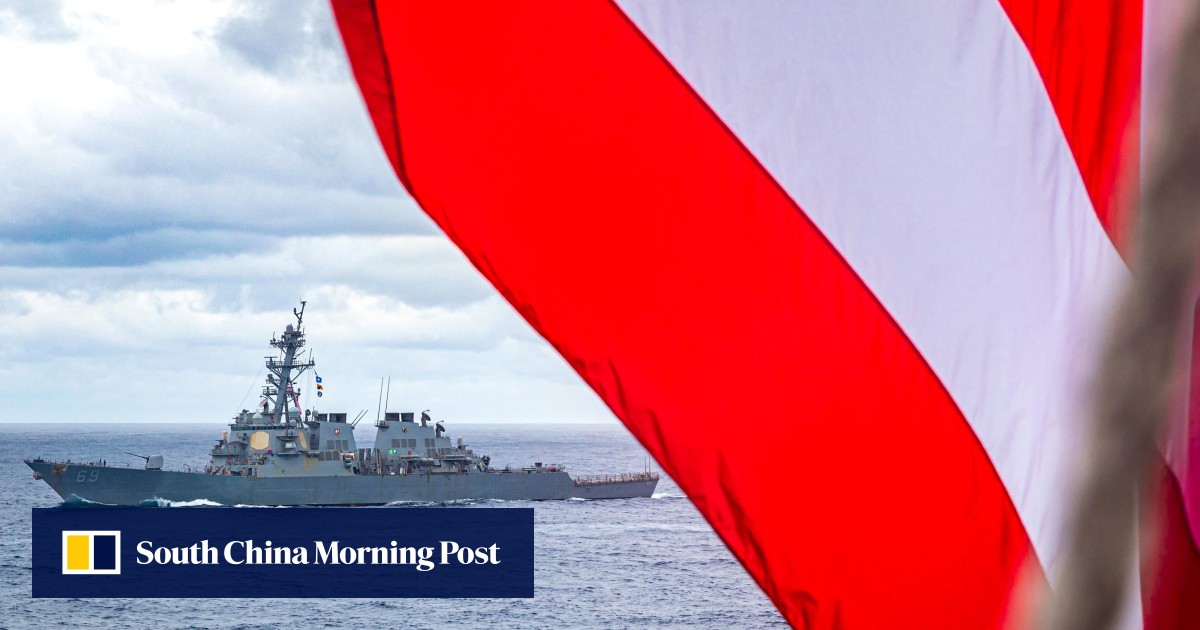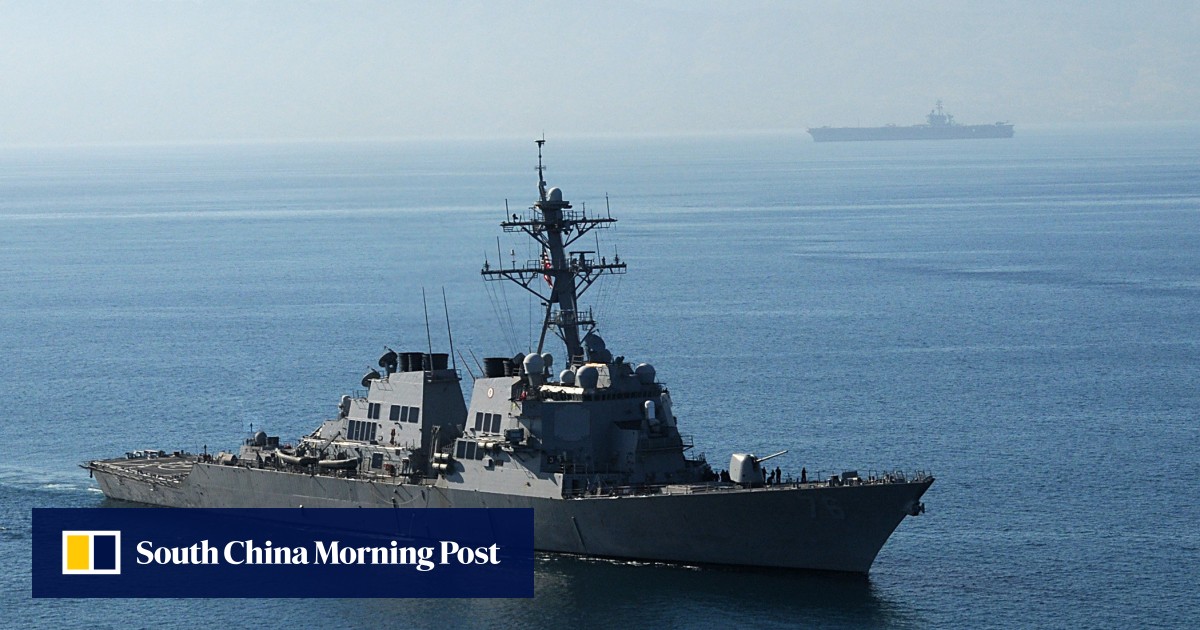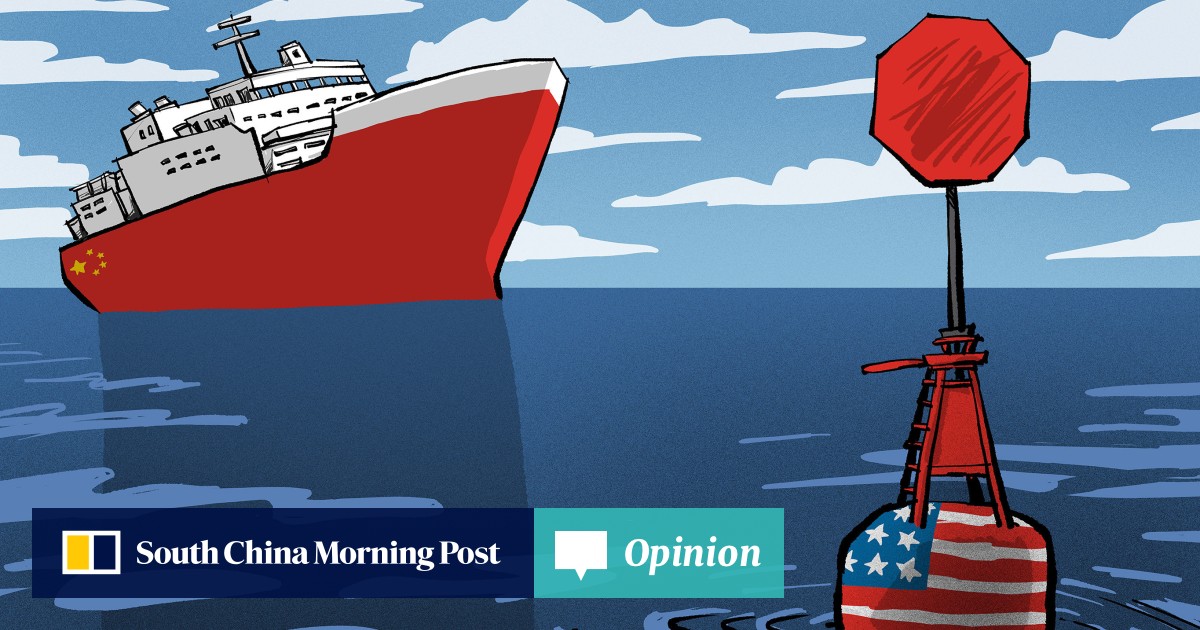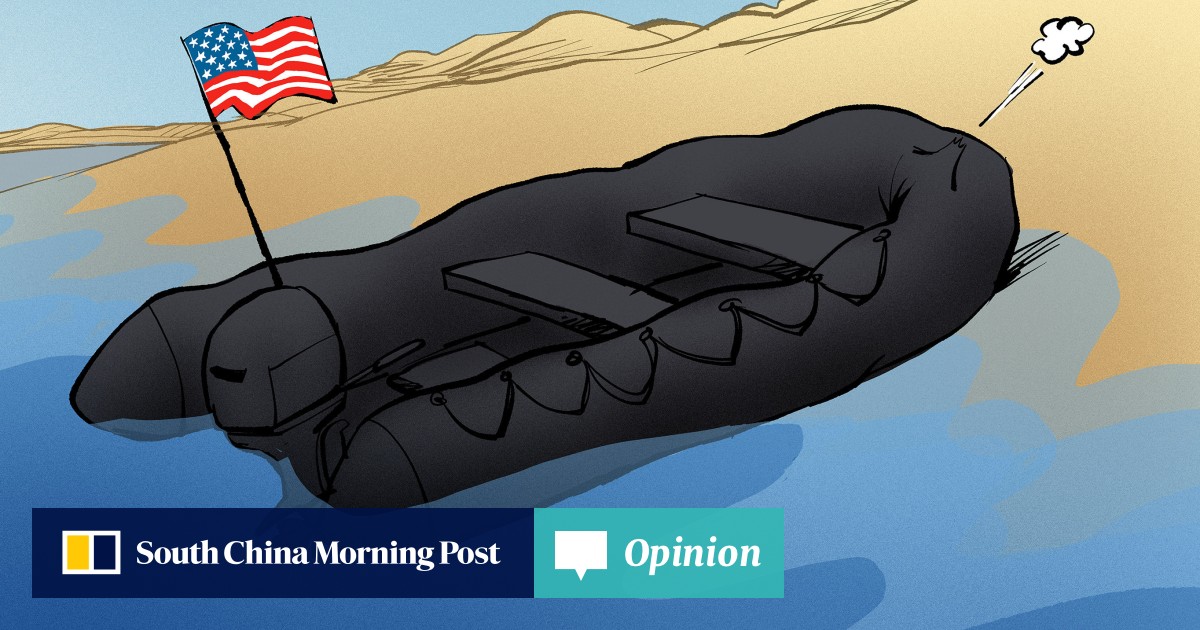
The delay in the release of the US Navy’s annual report on freedom of navigation could signal a change in the country’s strategic approach
For decades, the US Navy’s annual Freedom of Navigation Report has served as a key document of US maritime policy, detailing naval challenges to what Washington views as the “excessive maritime claims” of various coastal states, particularly China.
The conspicuous absence of the annual report for the US fiscal year 2024, still unpublished as of August 10, is a telling indicator of the seemingly shifting strategic priorities under US President Donald Trump’s second term. Its notable delay, combined with the absence of confirmed reports of South China Sea freedom of navigation operations (FONOPs) since Trump’s return to the White House, points to a significant recalibration of US maritime policy.
Together, these factors suggest a deliberate, if unacknowledged, retreat from the US’ traditional role as the primary enforcer of the so-called rules-based international maritime order, particularly in the South China Sea. Since taking office for a second term in January this year, Trump has been preoccupied by high-stakes geopolitical challenges, leaving little room for sustained engagement in the South China Sea.