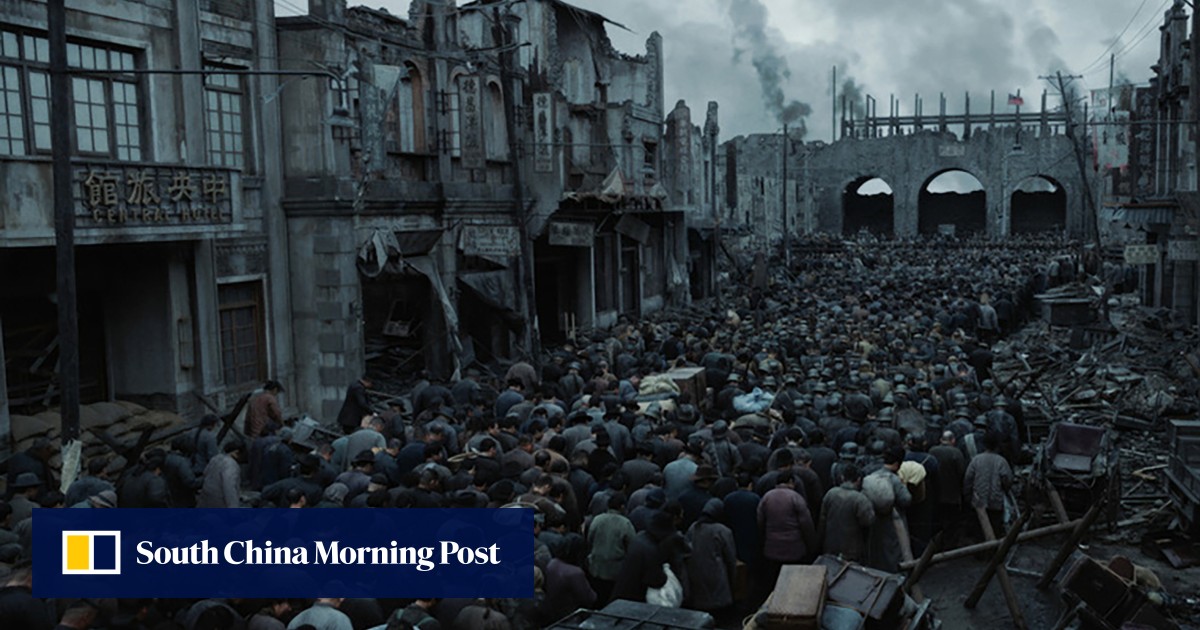
Movie about Nanking massacre highlights questions about how far country’s suffering is remembered in the wider world
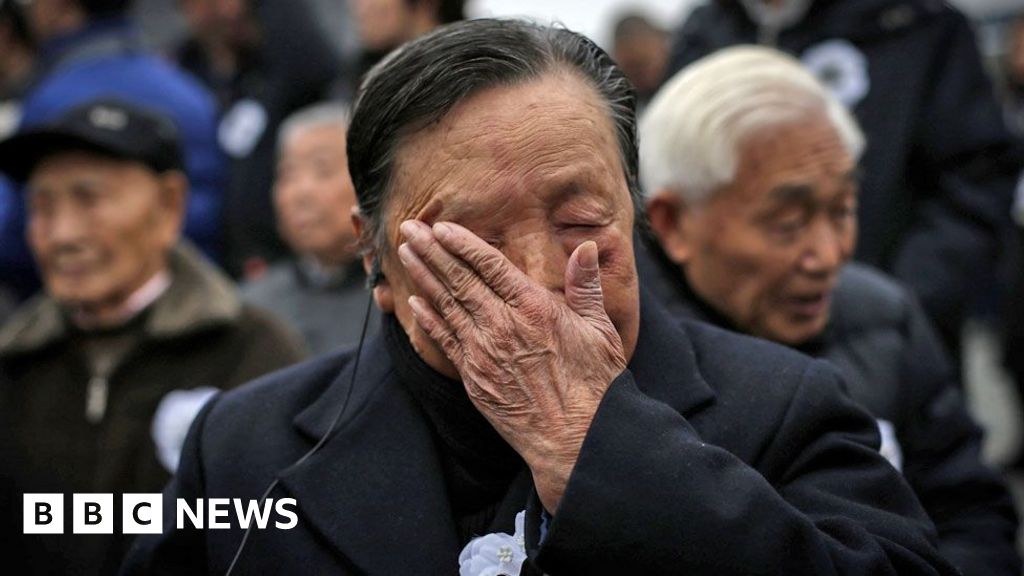
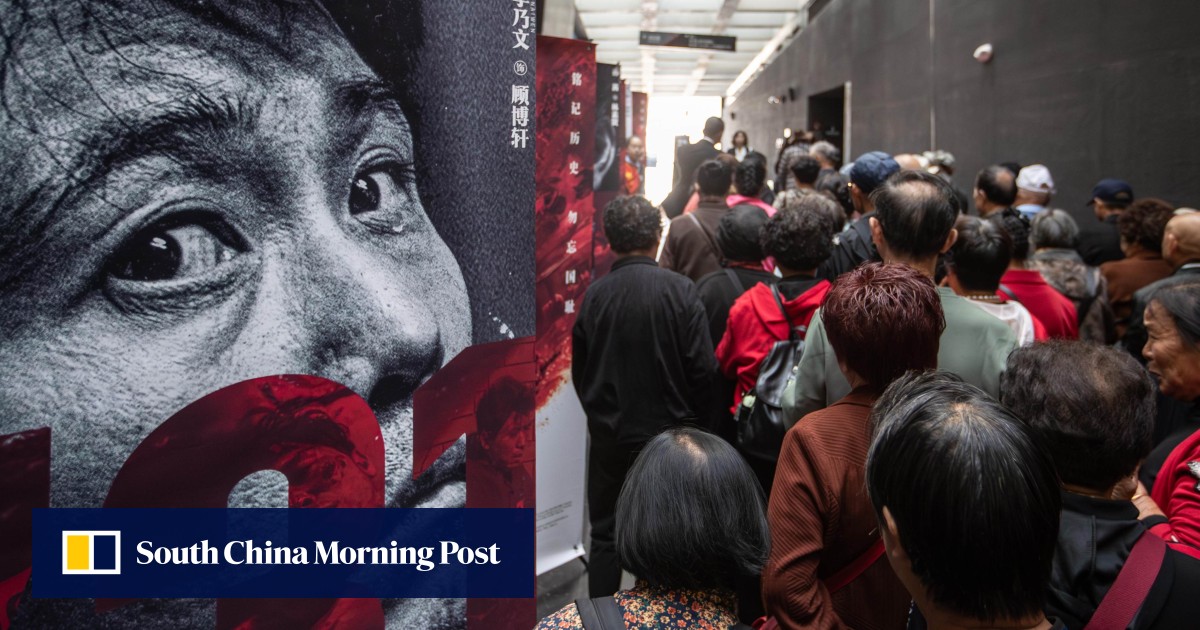
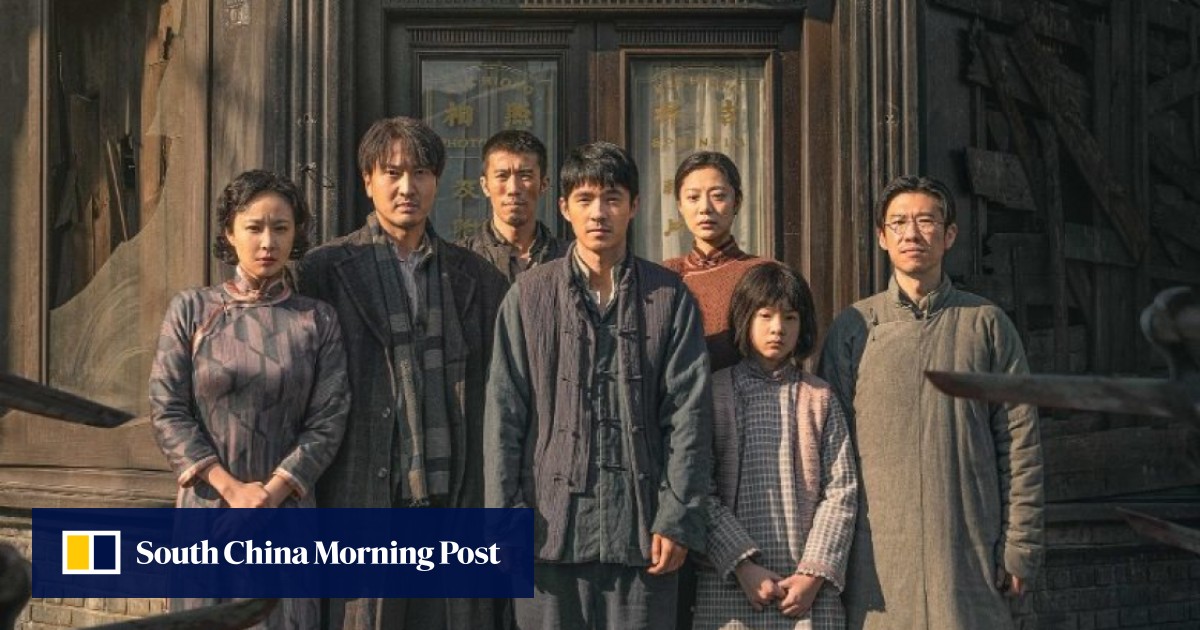
China’s latest blockbuster movie depicting one of Japan’s worst war crimes, the 1937 Nanking massacre, has been described by the director as part of an “invisible battle” to bring greater international recognition to the country’s suffering in World War II.
Dead to Rights is based on the true story of how a young apprentice in a photo studio found and developed evidence of the atrocities in secret, which was later used in a war-crimes tribunal.
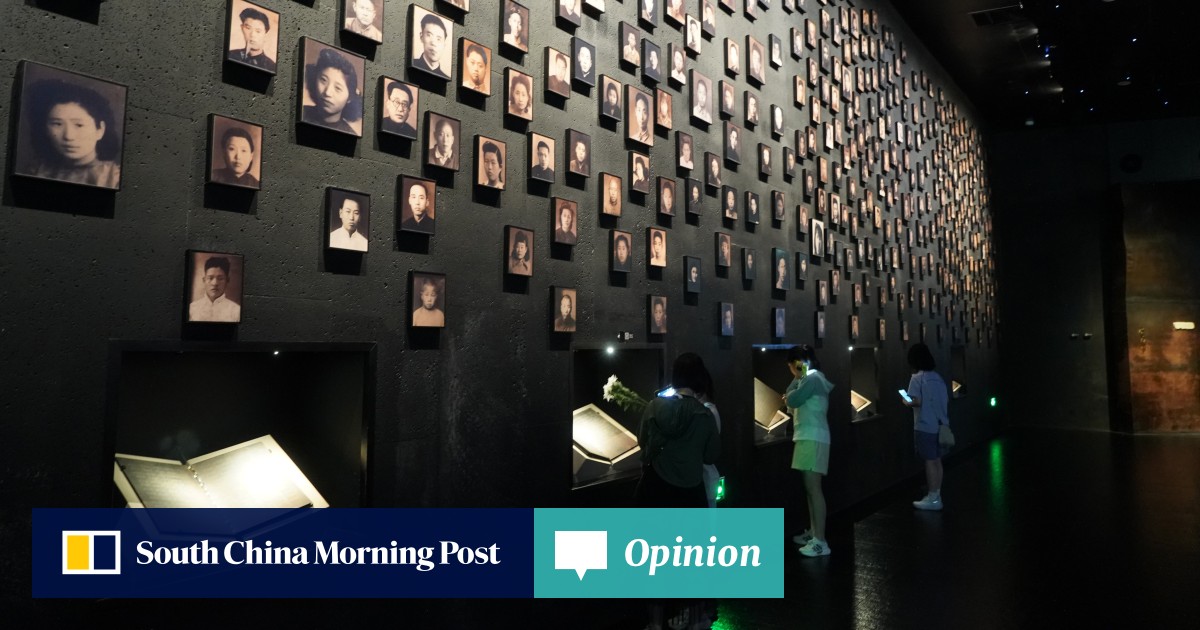
The mass murder of civilians in the city, now known as Nanjing, which was the capital of China at the time, is widely recognised as one of the worst crimes committed by the Japanese during the occupation of China, which began in 1931.
While the death toll has not been conclusively established, China’s official estimate places the number of the dead at more than 300,000.