From the US and Australia to France and Italy, those seeking to obliterate privacy and restrict content are on the move
O
ver the past two weeks, the UK has reportedly blocked internet users’ access to everything from SpongeBob SquarePants gifs to Spotify playlists. Information about Joe Biden’s police funding plan has been restricted, along with a post about an up-and-coming political party. Gamers say they have been unable to tweak colours in games such as Minecraft. And it’s all because of a new age verification law.
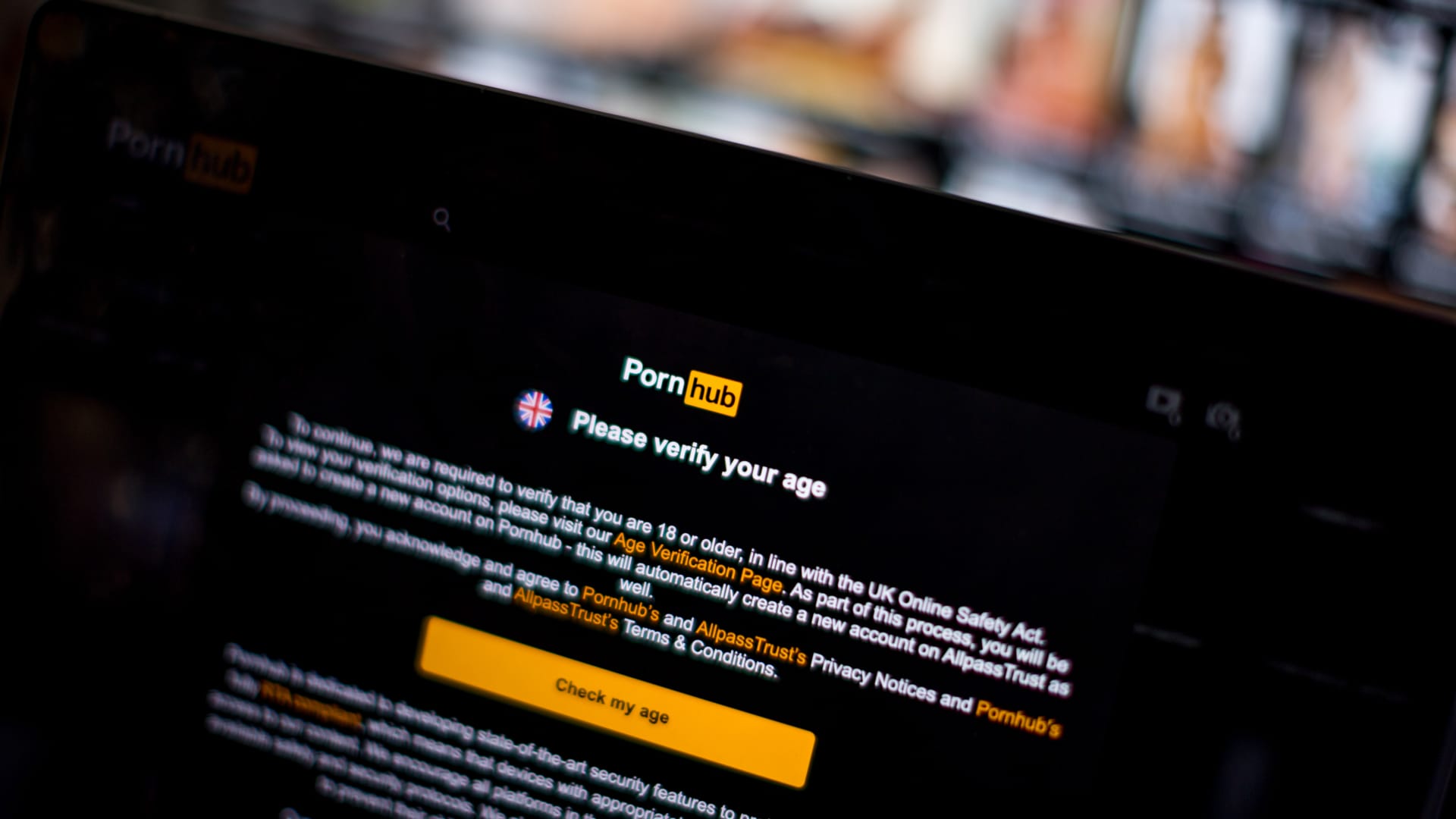
Since the child safety provisions contained within the Online Safety Act came into effect on 25 July, web service providers have been forced to institute “highly effective” age verification measures to prevent children from accessing “harmful” or “adult” content. The penalty for failing to adequately comply with the act includes hefty fines and potential criminal action.
But while the law and others like it claim to be narrowly focused on pornographic content and material that promotes suicide, self-harm, eating disorders or abusive and hateful behaviour, the subjective nature of the restrictions has led to mass censorship, with the de facto removal of vast swaths of content from the web. Tech companies find it easier and cheaper to simply remove mass amounts of information than have something slip through and be deemed non-compliant.