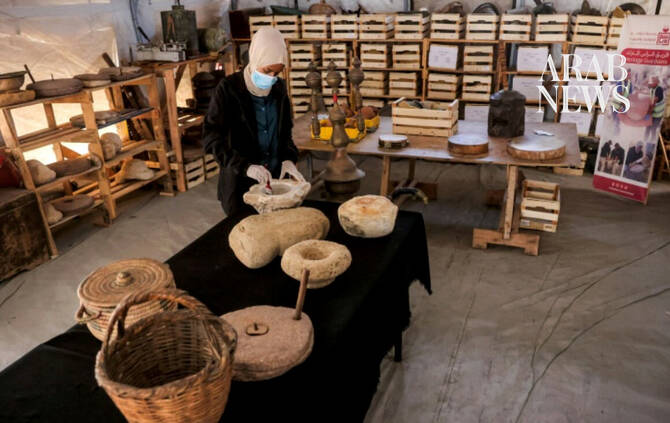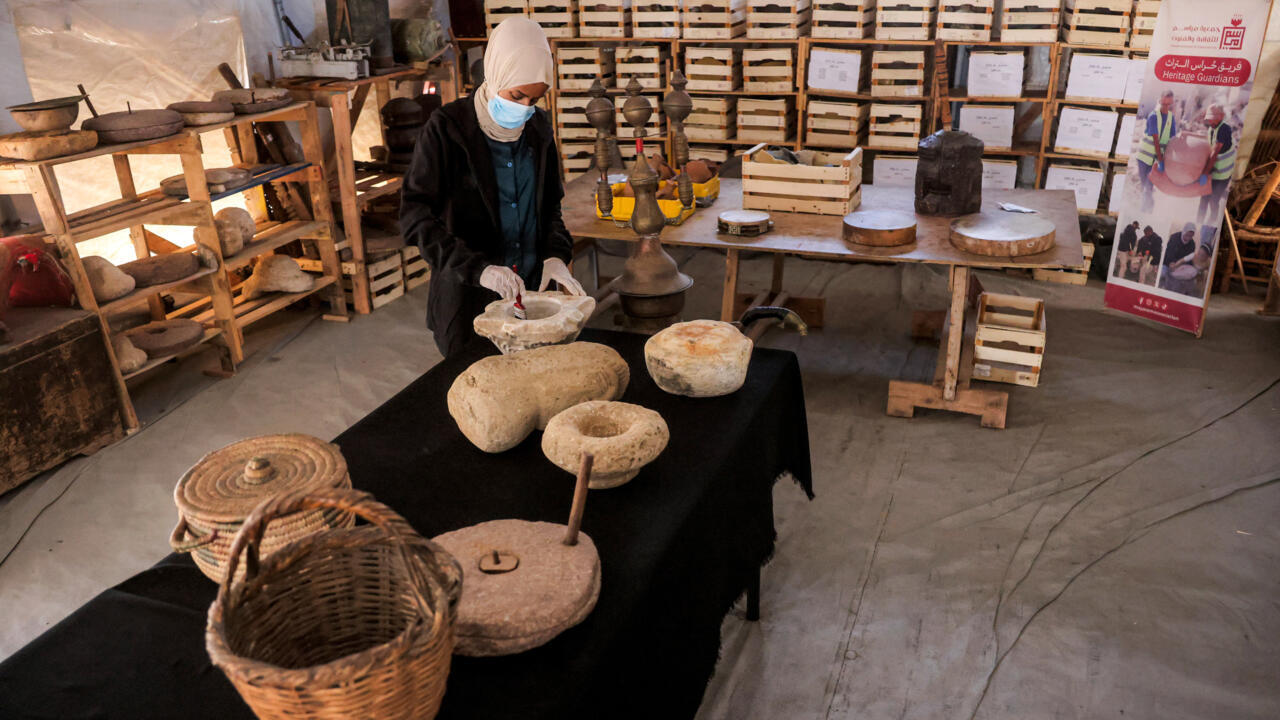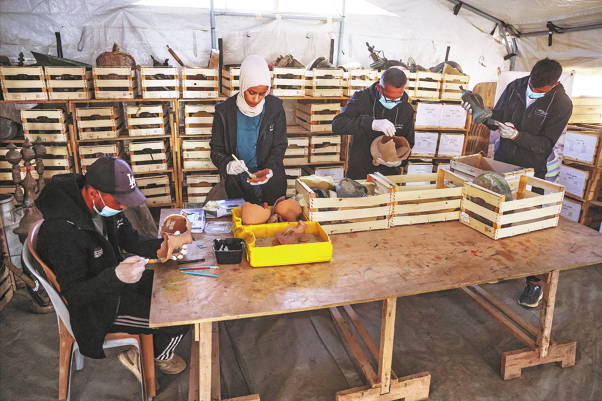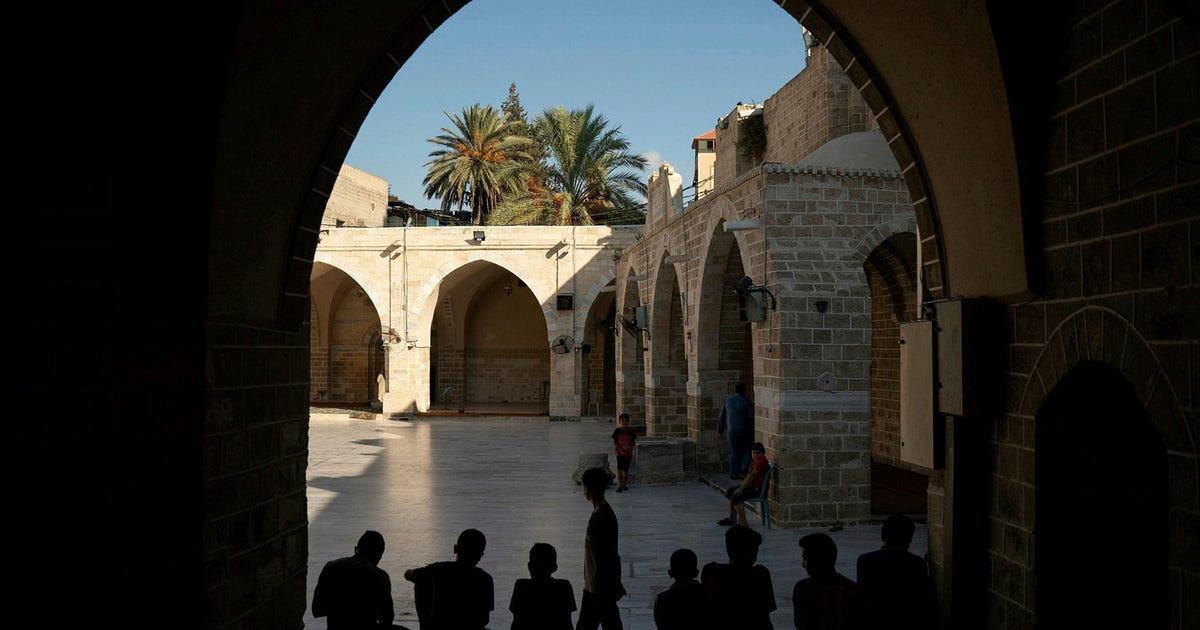
Saved Treasures of Gaza aims to preserve territory’s historical identity against backdrop of war and famine
A
n exhibition tracing more than 5,000 years of cultural and archaeological history in Gaza has become a summer hit in Paris, as visitors flock to discover the heritage of this strip of land along the Mediterranean, whose multilayered past has been eclipsed by modern tragedy.
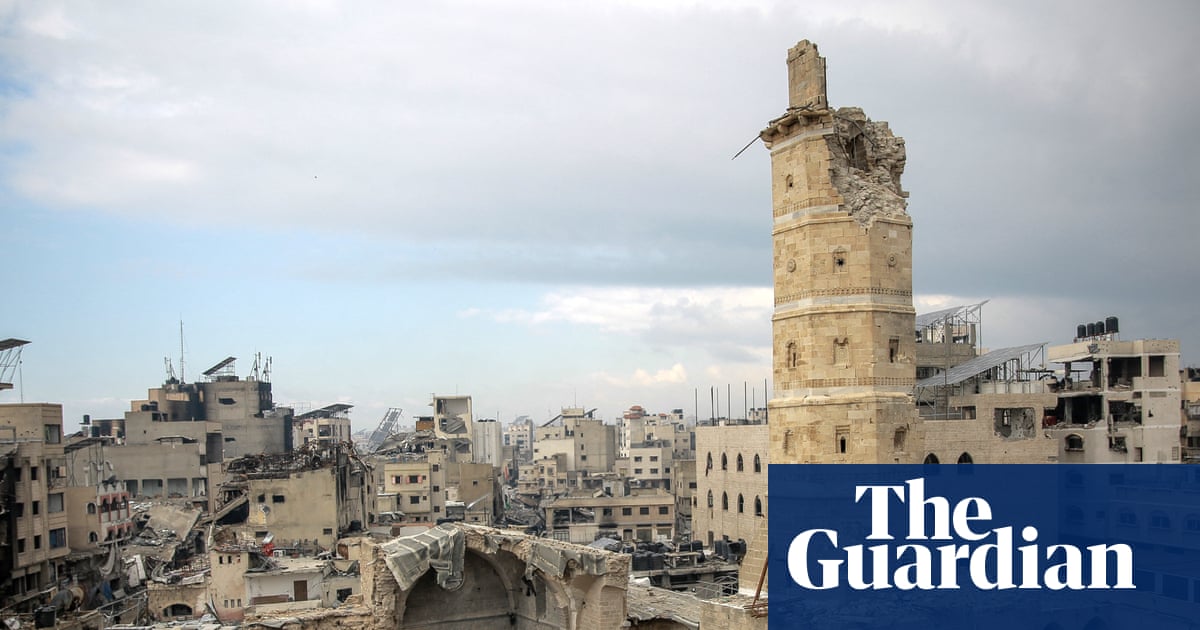
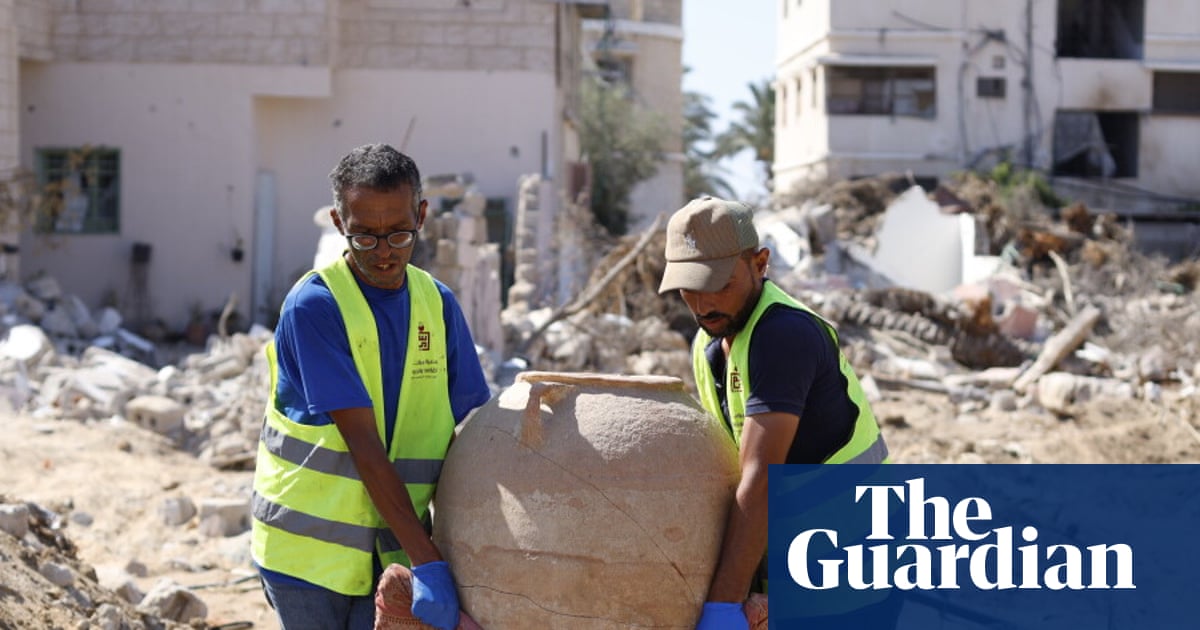
While Gaza faces a humanitarian catastrophe of starvation and war, the exhibition, Saved Treasures of Gaza, at Paris’s Institut du Monde Arabe brings what curators called a sense of “urgency” to explain the rich history of a place that has been a crossroads of cultures since Neolithic times.
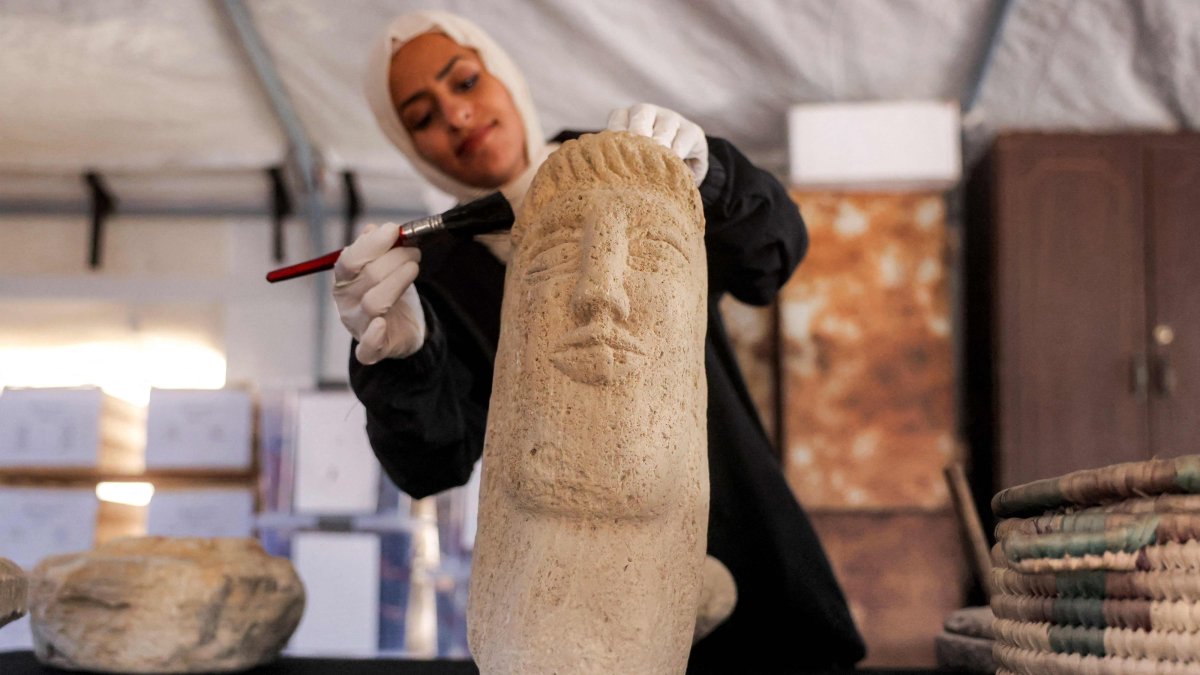
For thousands of years, Gaza’s location on the eastern Mediterranean made it a prosperous oasis. It was a trade hub, intellectual powerhouse and centre of learning, sitting at one of the world’s great geographical crossroads between trade routes from Asia and Africa. Many cultures and empires left their mark – including Philistines, Assyrians, Romans, Byzantines, Persians and Mamluks – as depicted by more than 100 intricate objects on display from statuettes, oil lamps and ceramics to inscriptions, imported marble and a vast Byzantine floor mosaic.