Find echoes of bygone Hong Kong still legible on walls and shopfronts, look back at a comic strip icon, and take a trip to a former East German city
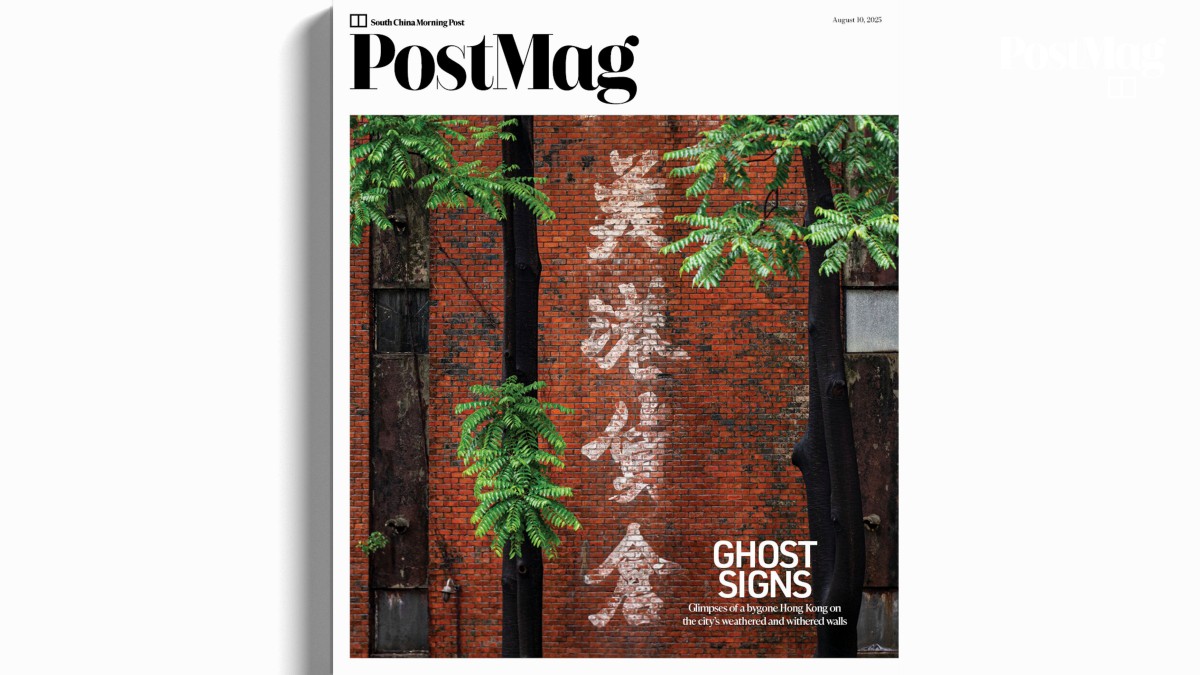
The best stories are often the ones hiding in plain sight: half-obscured and easy to overlook. That’s the starting point for our cover story this week, on Hong Kong’s ghost signs. It’s a spooky, slightly mysterious term, but you know them – hand-painted shopfronts, weather-worn billboards and bits of calligraphy that have somehow survived decades of redevelopment and repainting.
That same tension between progress and preservation runs through Christopher DeWolf’s feature on Hong Kong’s municipal services buildings, and the related Venice Biennale of Architecture exhibition. DeWolf revisits these multi-storey complexes that have long housed libraries, sports facilities, markets and cooked food centres under one roof. They were once hailed as symbols of efficient, egalitarian urban planning. But as the government demolishes and redevelops some, a debate is emerging: are we losing more than just buildings? For the exhibition’s curators, the answer is yes.
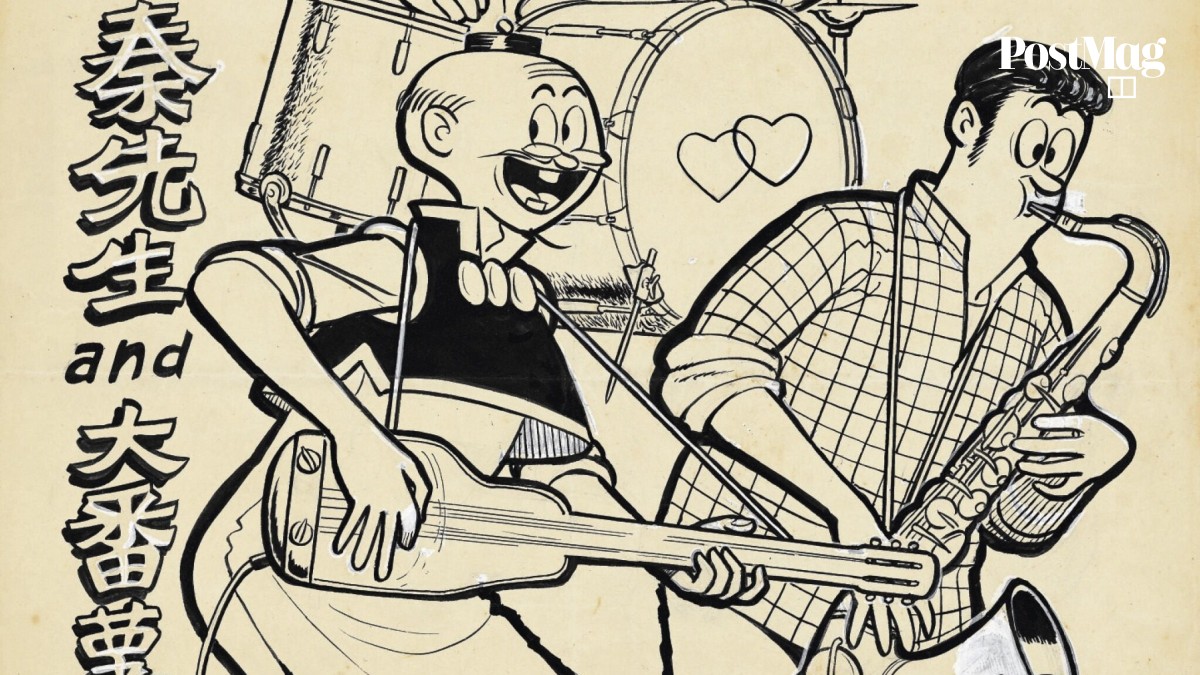
There’s a different lens on history in Paul French’s profile of Old Master Q. The comic strip, created by Alfonso Wong Kar-hei in 1962, was once a fixture of Hong Kong pop culture and still holds nostalgic appeal for many who grew up with it. The character is instantly recognisable: the long coat, the bad haircut, the pratfalls and slapstick that somehow doubled as social commentary. Wong’s son Joseph, who took over the strip, has preserved his father’s legacy while nudging the character into the digital age. There’s even an app. Of course there is. But the spirit remains charmingly old school.