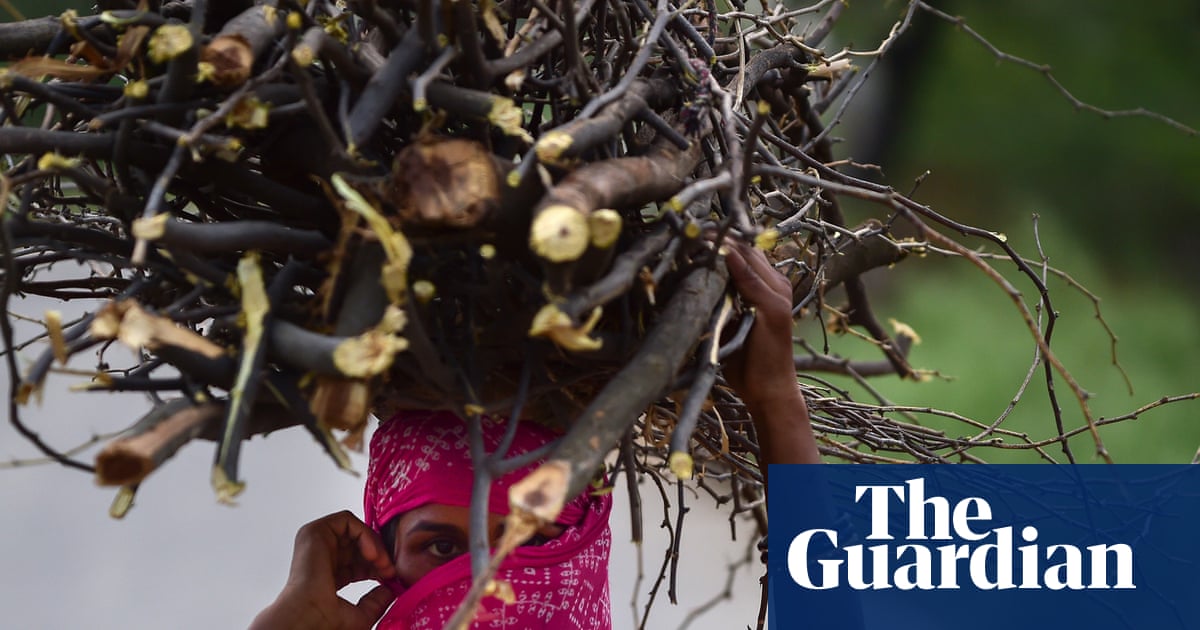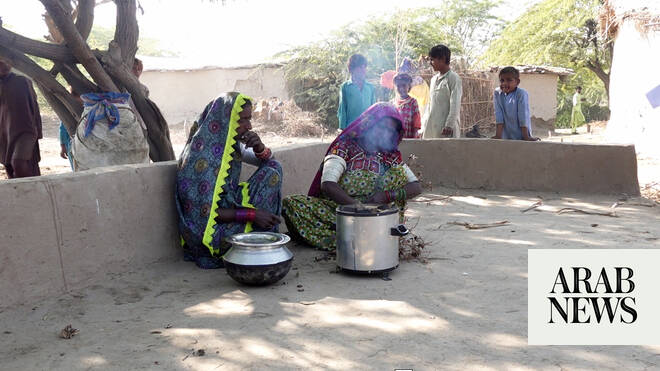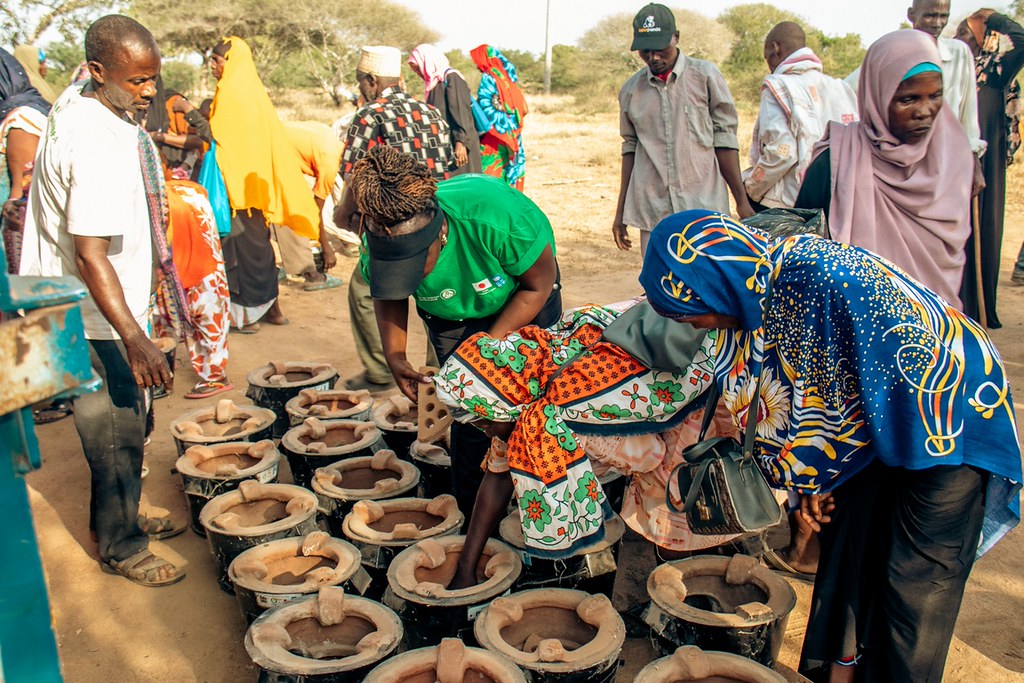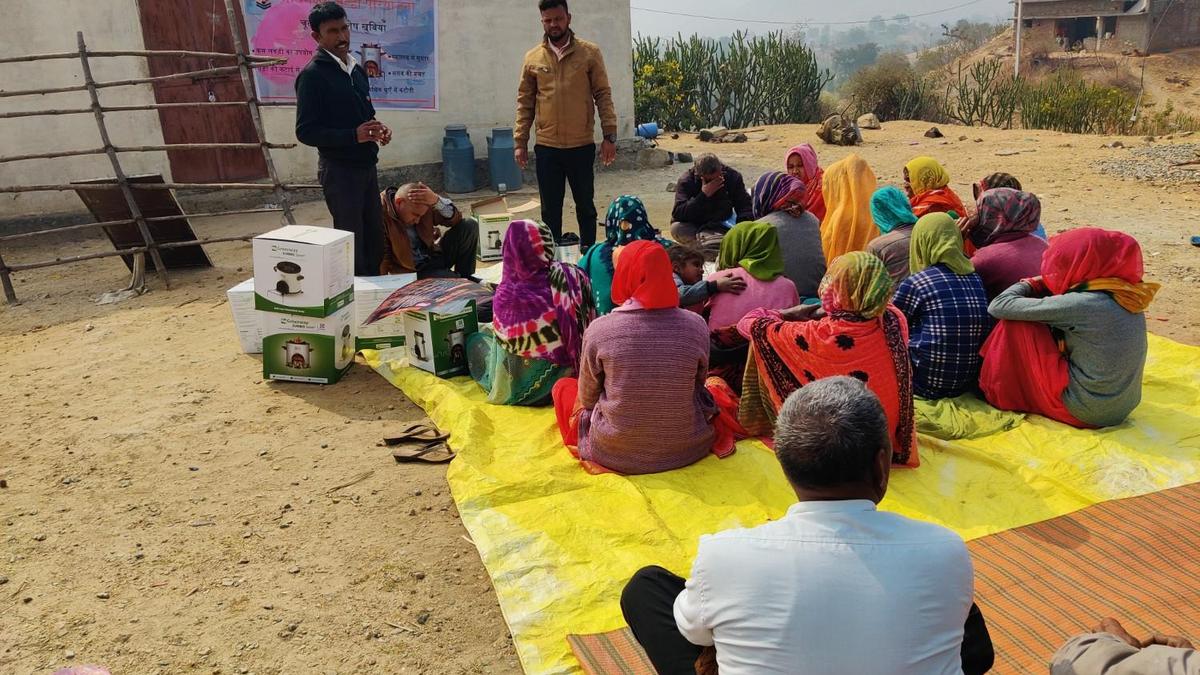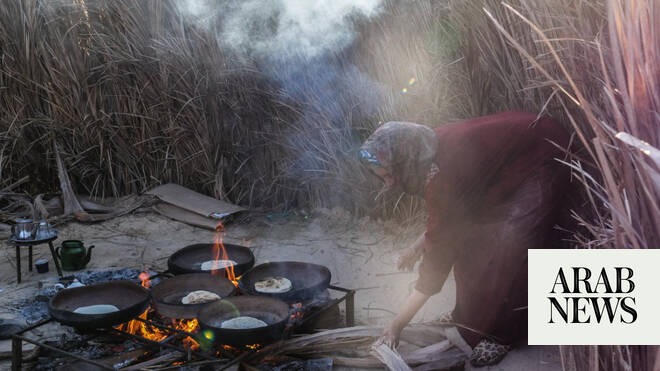
RIYADH: In many parts of the world, the simple act of cooking dinner can be deadly. Across sub-Saharan Africa and parts of Asia, millions of families rely on open fires and traditional stoves that burn wood, charcoal, or kerosene — methods that fill homes with toxic smoke, worsen environmental degradation, and contribute significantly to global greenhouse gas emissions.
While such practices are rare in Saudi Arabia, the Kingdom is taking a leading role in tackling this silent crisis abroad. With nearly 4 million premature deaths each year linked to indoor air pollution from cooking, the stakes could not be higher.
According to the World Bank, traditional cooking fuels contribute 2 percent of all global carbon dioxide emissions and a staggering 58 percent of black carbon emissions — pollutants known to accelerate climate change and damage human health.
The problem is particularly acute in sub-Saharan Africa, where the International Energy Agency says 960 million people — nearly three-quarters of the population — lack access to clean cooking alternatives. Globally, more than 2 billion people still cook using polluting methods, exposing themselves and their families to harmful smoke on a daily basis.