https://arab.news/nw8ep
As global temperatures continue to rise, the resulting biodiversity loss has become one of the most urgent and underappreciated climate challenges. Yet within this crisis lies a tremendous opportunity for nations to lead with innovation, foresight, and inclusivity. Saudi Arabia, through its Vision 2030 reforms, is uniquely positioned to offer a regional model for protecting nature while advancing climate resilience and sustainable development.
According to the Copernicus Climate Change Service, 2024 was the hottest year ever recorded globally, with the European Centre for Medium-Range Weather Forecasts reporting an average surface temperature of 15.10 degrees Celsius — approximately 1.52 C above pre-industrial levels and 0.12 C warmer than 2023. This marks the first time global temperatures have exceeded the 1.5 C threshold for an entire calendar year, signaling an alarming acceleration in warming trends.
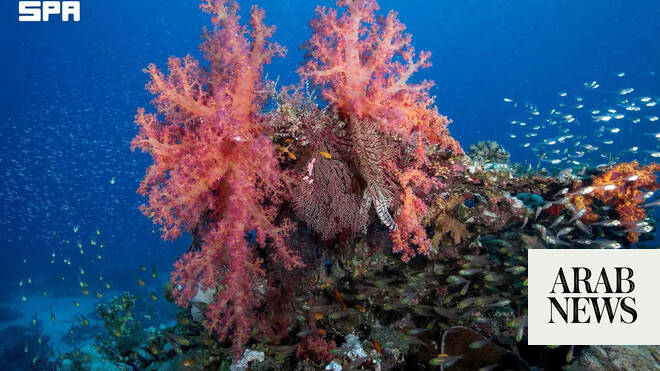
Climate-induced warming is now one of the top five drivers of biodiversity loss, exacerbating other pressures such as land degradation and pollution. The Intergovernmental Panel on Climate Change warns that even small increases in global temperature can push entire ecosystems past tipping points, with desert, coastal, and coral reef ecosystems particularly vulnerable. The fact that each of the past two years set new records underscores the urgency of systemic climate action.