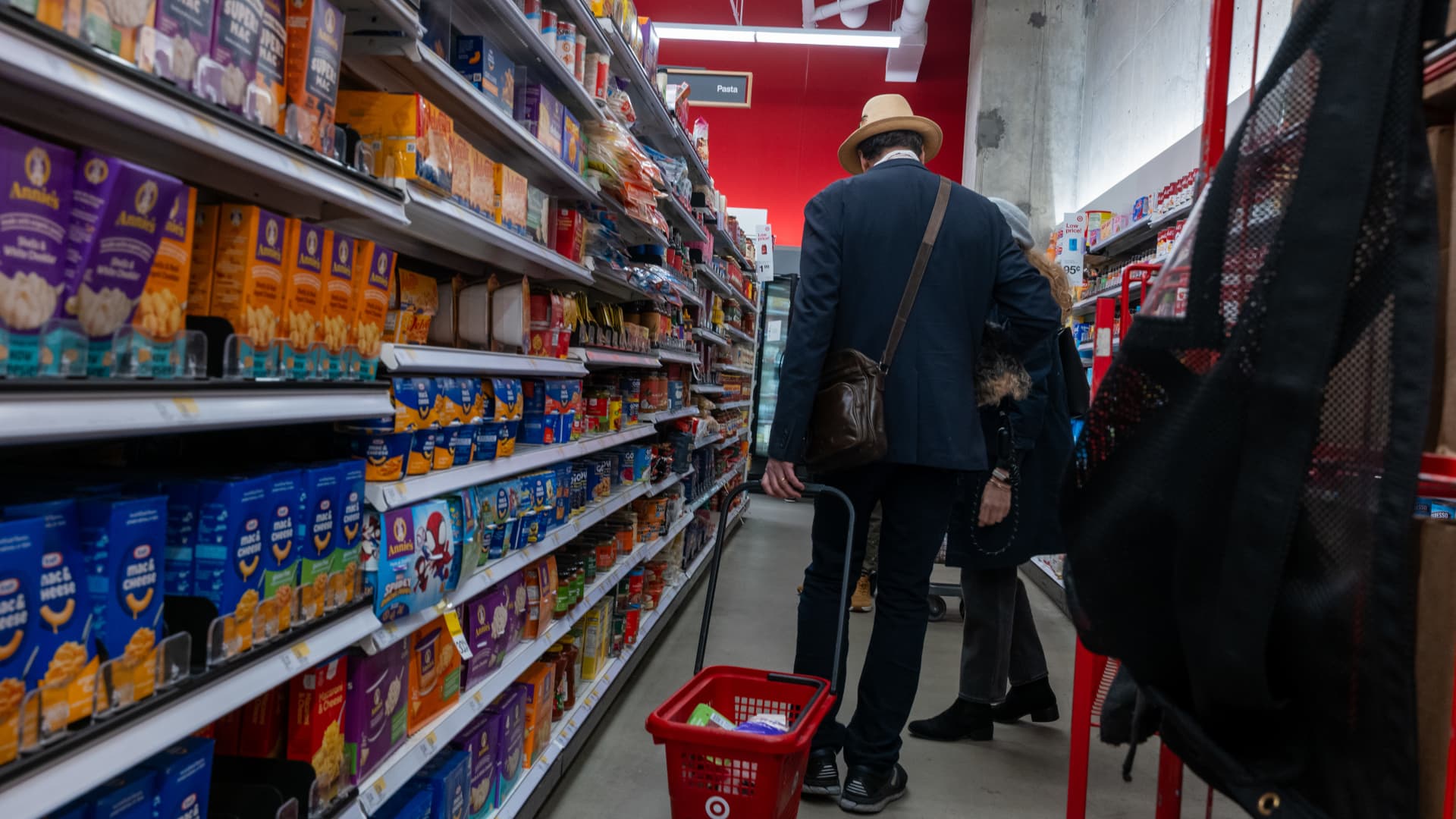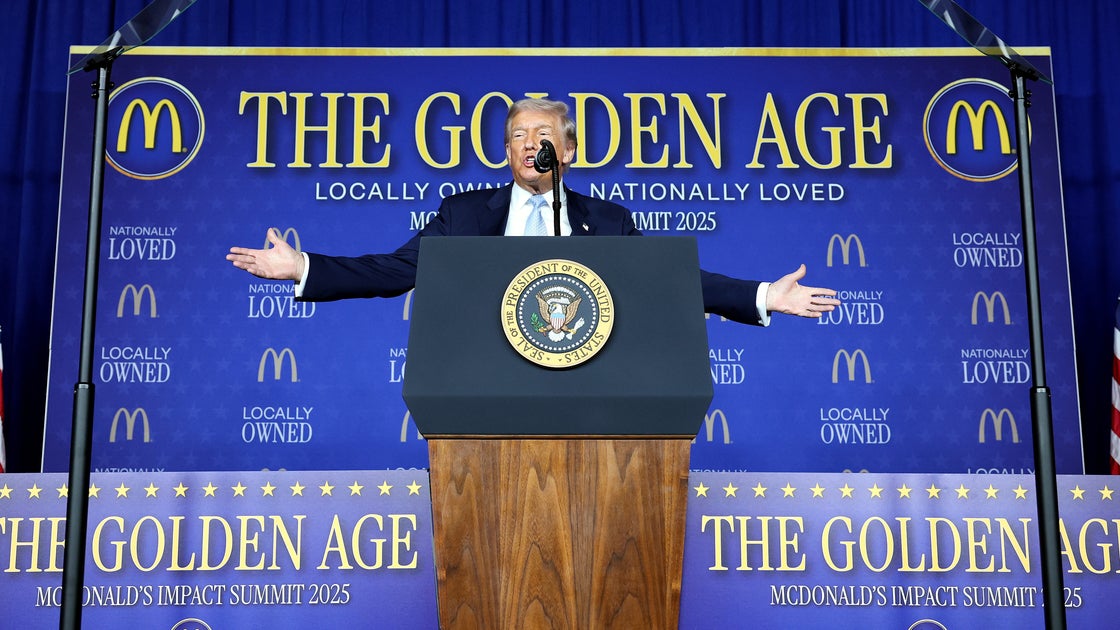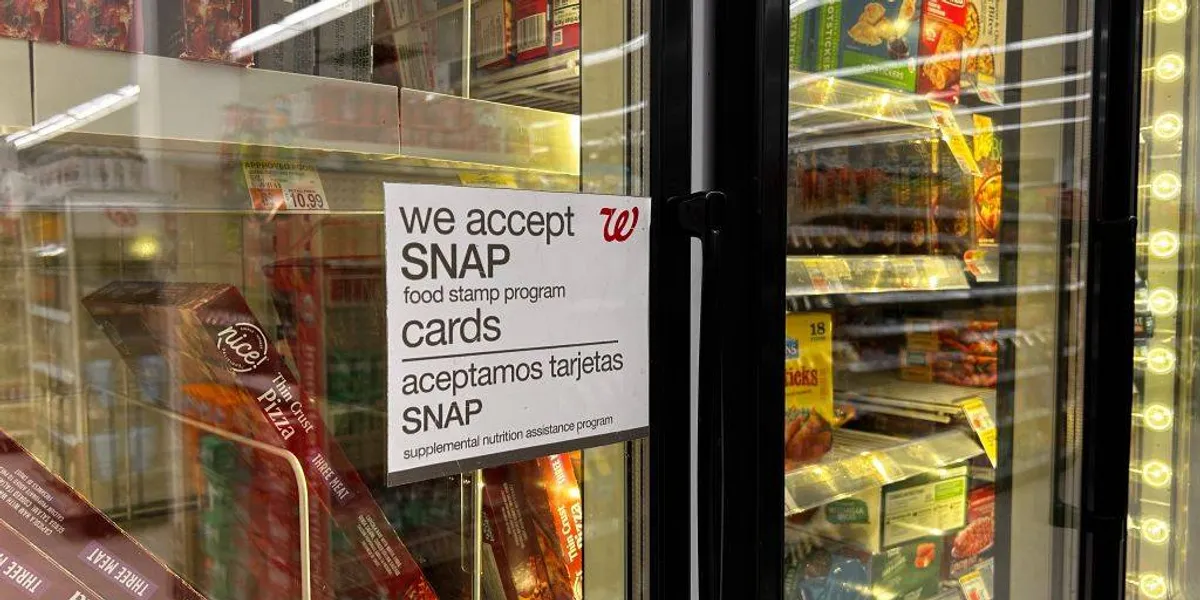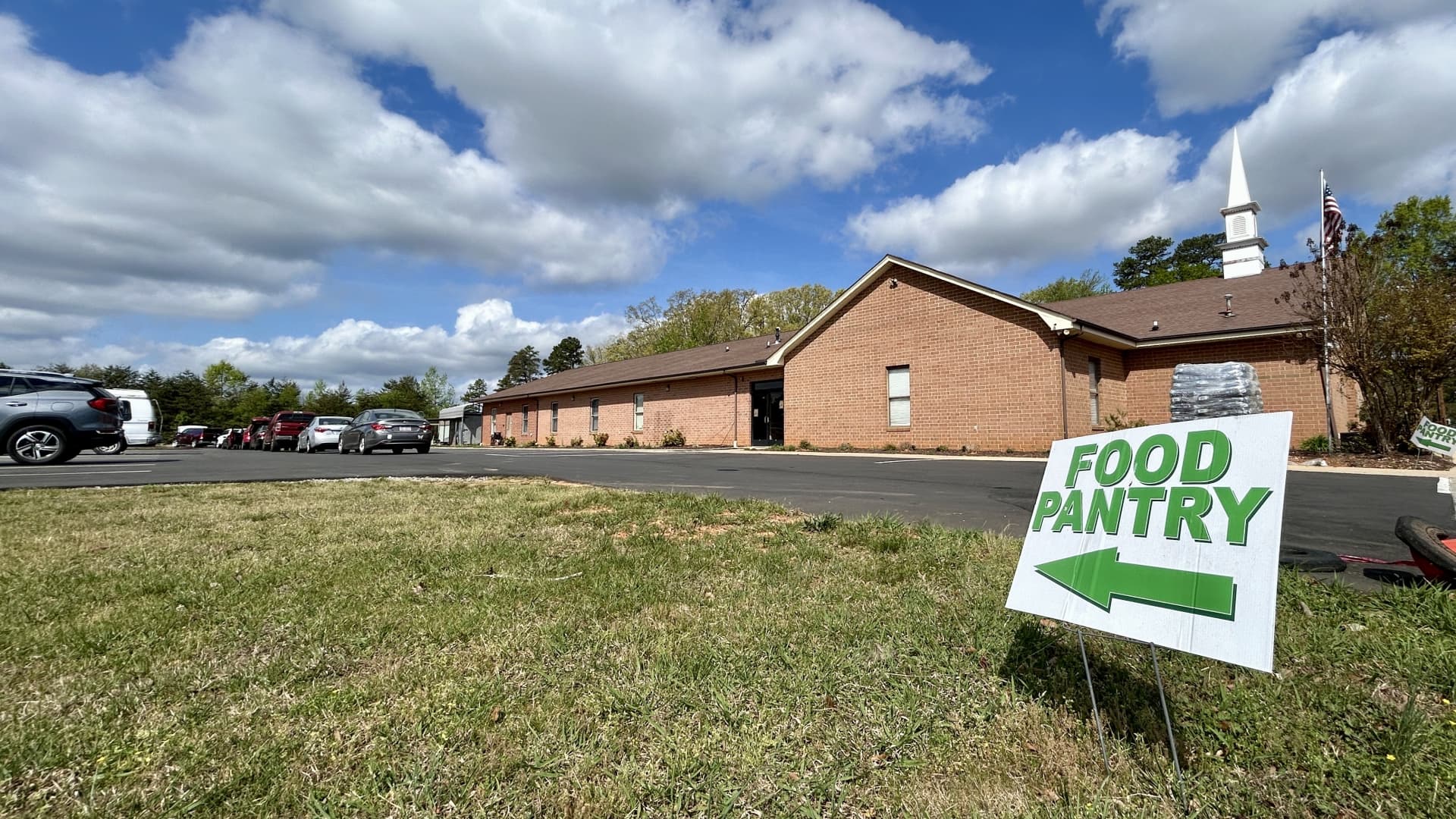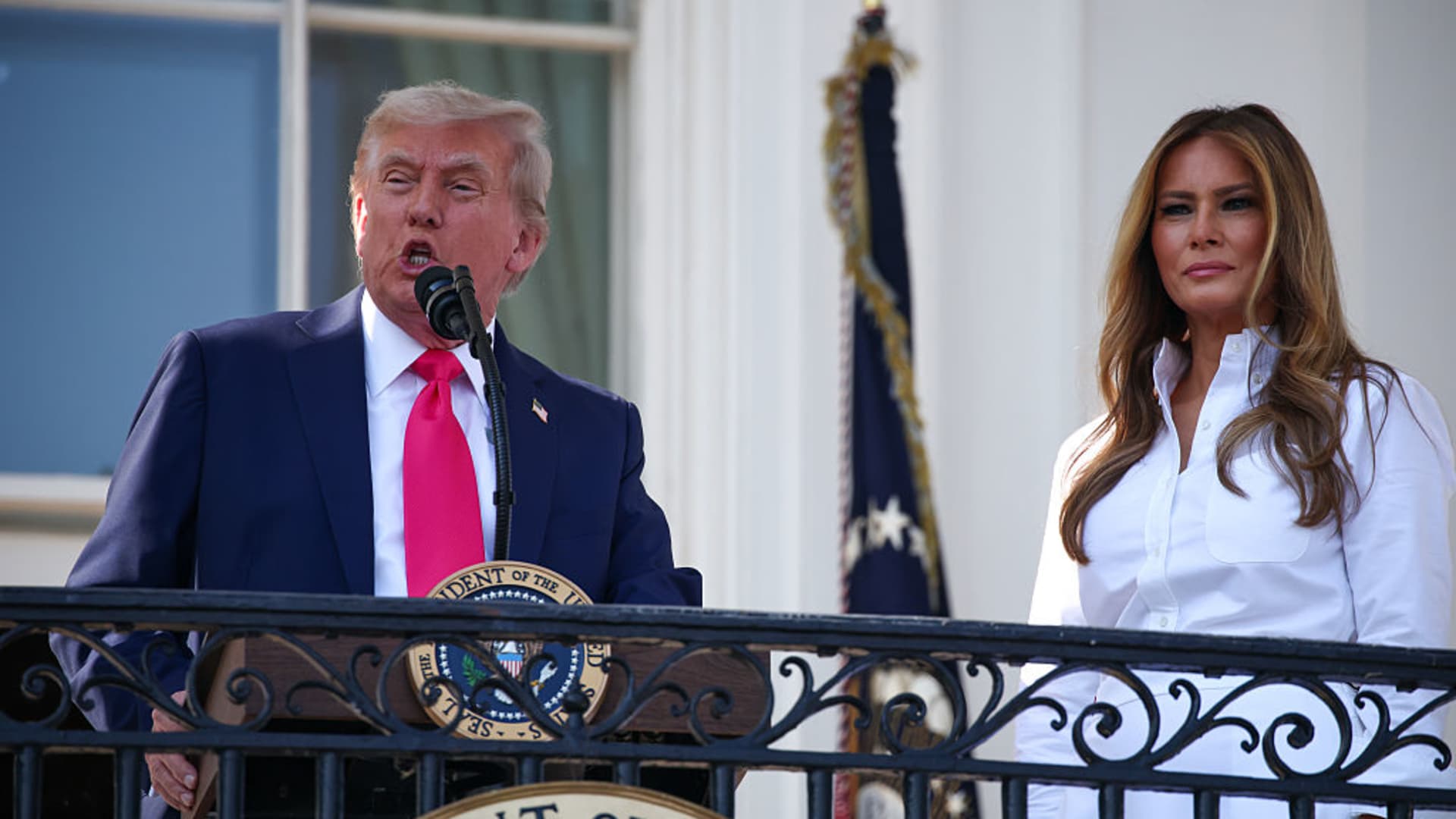
The Supplemental Nutrition Assistance Program helps more than 42 million people afford groceries each month, making it the largest anti-hunger program in the United States. But due to President Donald Trump’s tax and spending megabill signed on July 4, that support is set to shrink dramatically, experts say.
The “big beautiful” bill will cut about $186 billion from SNAP funding through 2034, according to estimates from the Congressional Budget Office.
Cuts to the program and significant cost shifts to states will leave millions of low-income Americans without some or all of the food assistance they need to put meals on the table, says Katie Bergh, senior policy analyst at the Center on Budget and Policy Priorities, a nonpartisan research and policy institute.
“For decades, SNAP has been there for low-income families, and as a result, we have largely eliminated severe hunger and malnutrition in this country,” Bergh says. “But that’s not a guarantee without the support that this program provides to help low-income families afford groceries.”
Currently, people who get SNAP benefits receive an average of $6.20 per day, distributed through an Electronic Benefit Transfer card that reloads monthly and can be used at authorized grocery stores and retailers. These amounts could decline or reach fewer people under the “big beautiful bill,” Bergh says.