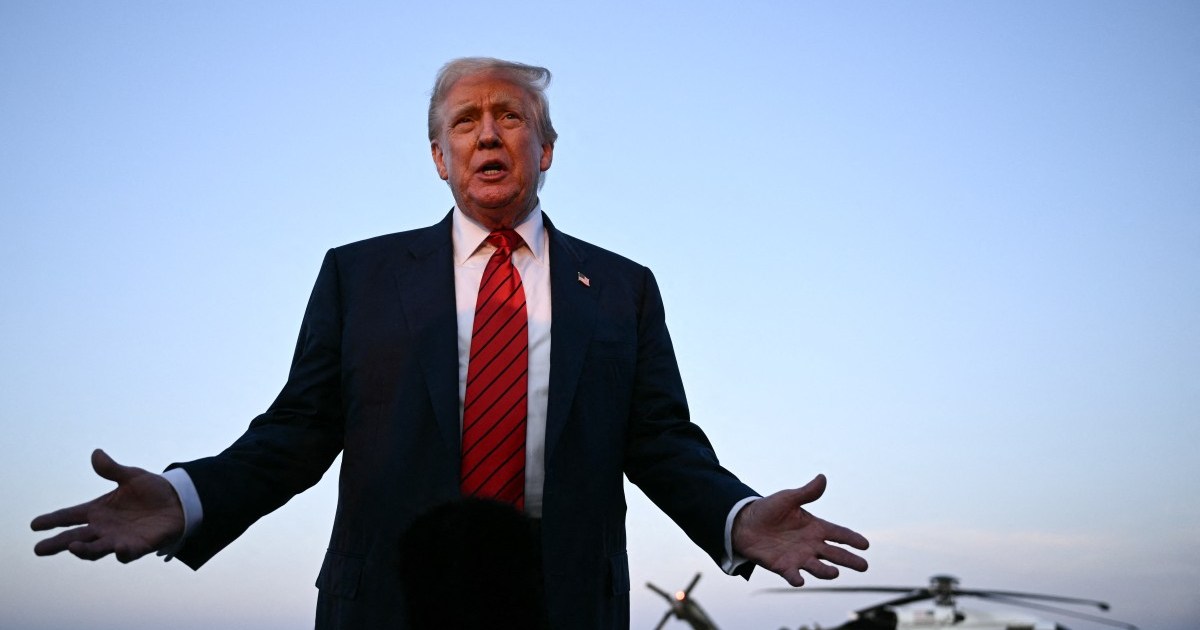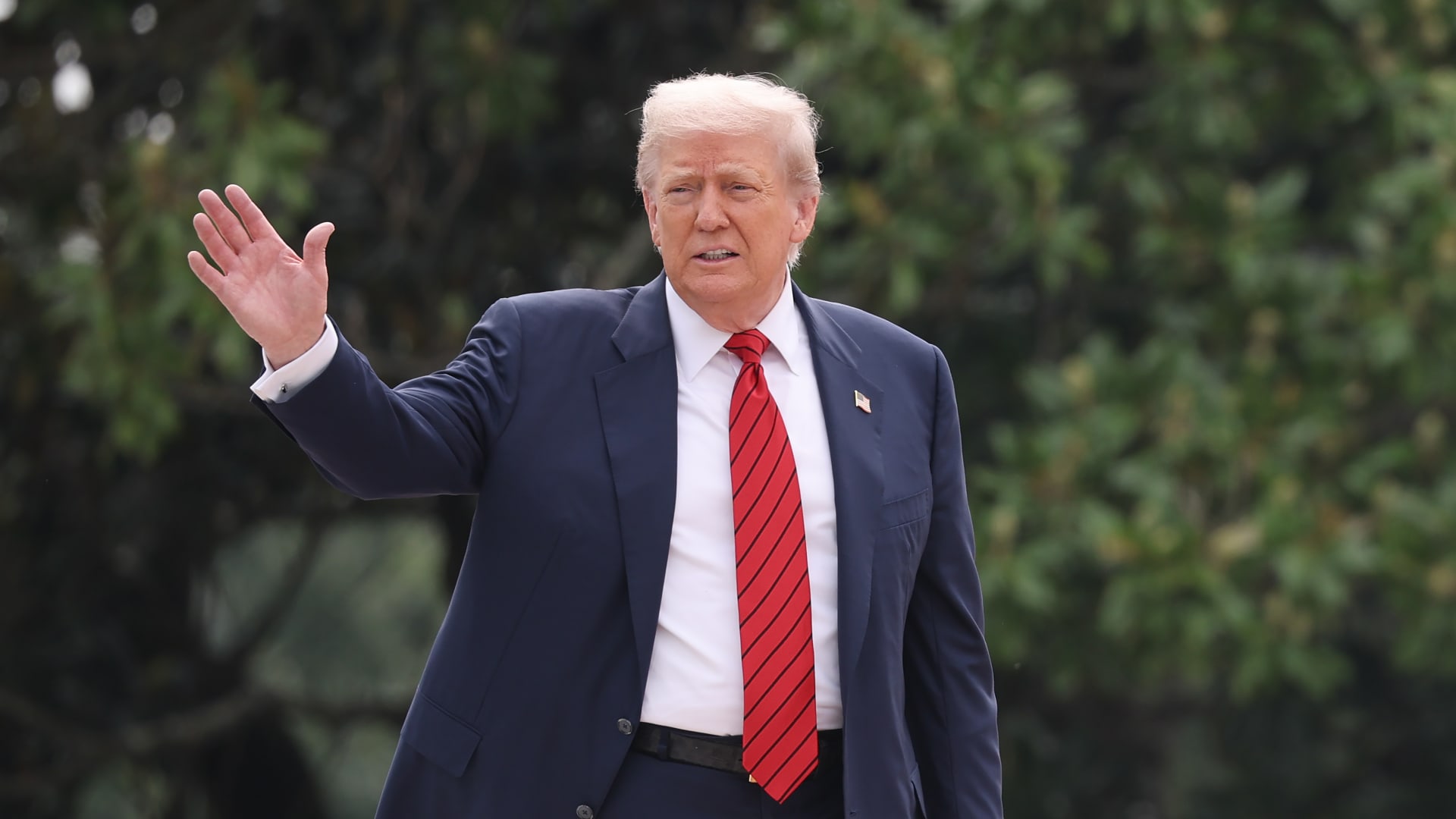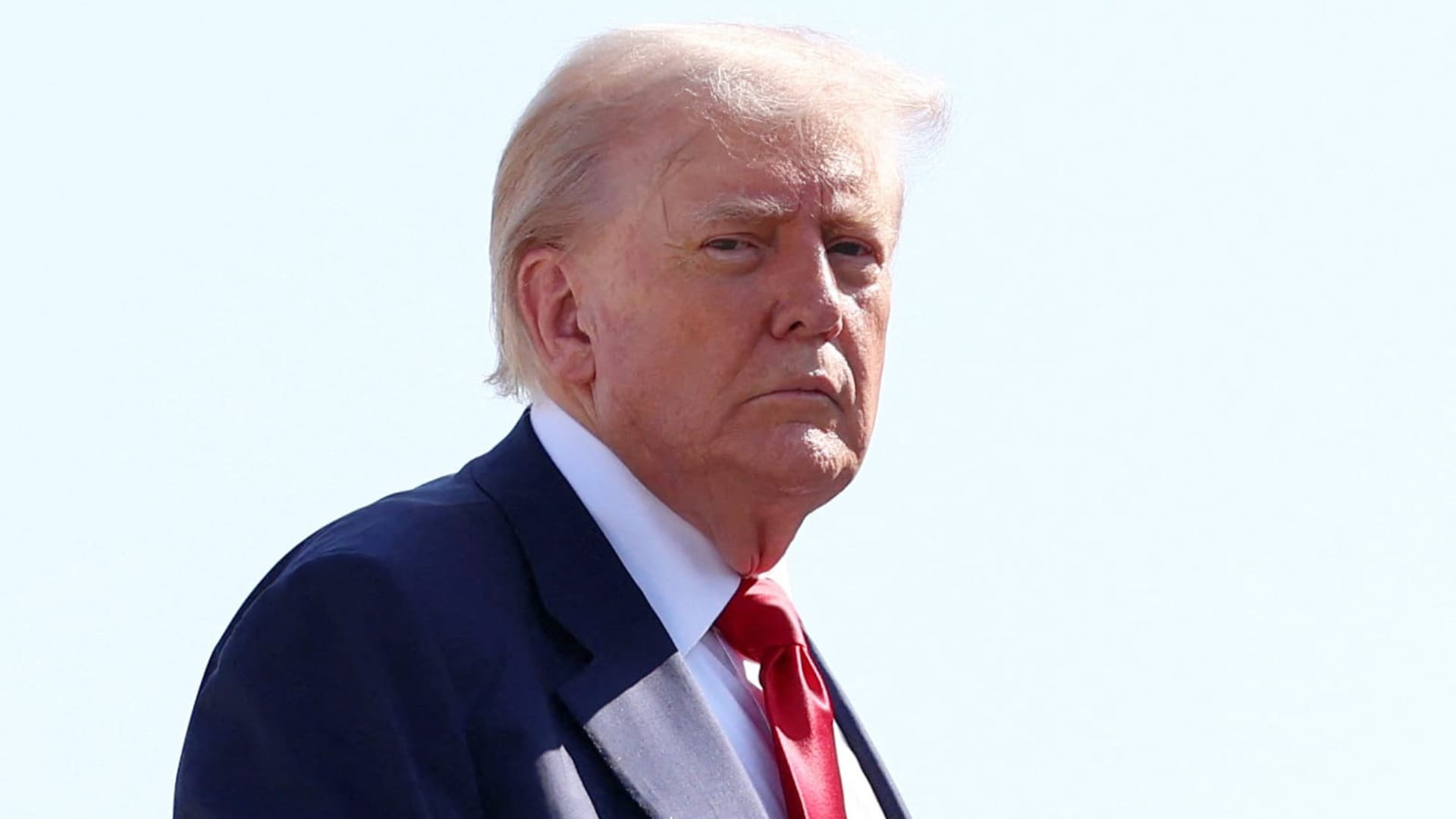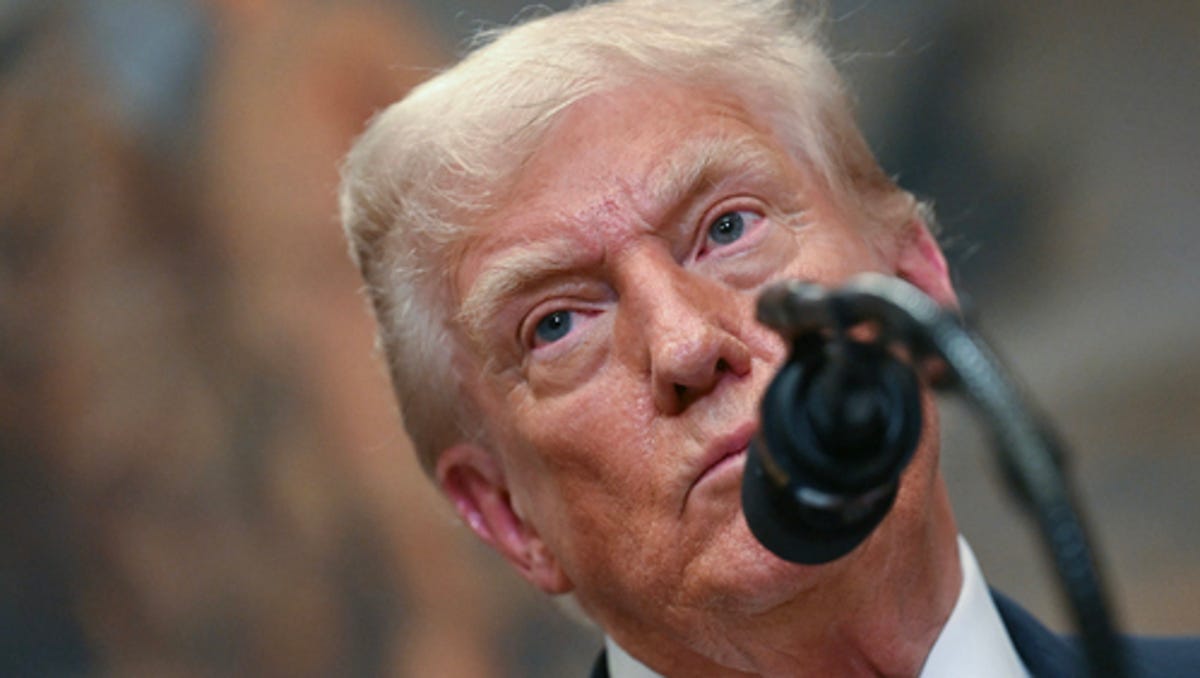
Many financial and political analysts are trying to assess the impact of President Donald Trump's decision to fire U.S. Bureau of Labor Statistics Commissioner Erika McEntrfer on Aug. 1, the same day that an unemployment report conveyed weakness in the job market.
Some of the strongest criticism of this unprecedented move has come from Republican-aligned and nonpartisan experts, including a former BLS commissioner Trump appointed during his first term and the American Economic Association, a nonprofit that has 17,000 members in academic, government and business professions. They have said that what Trump has accused McEntarfer of doing -- "rigging" data" -- would be impossible to pull off.
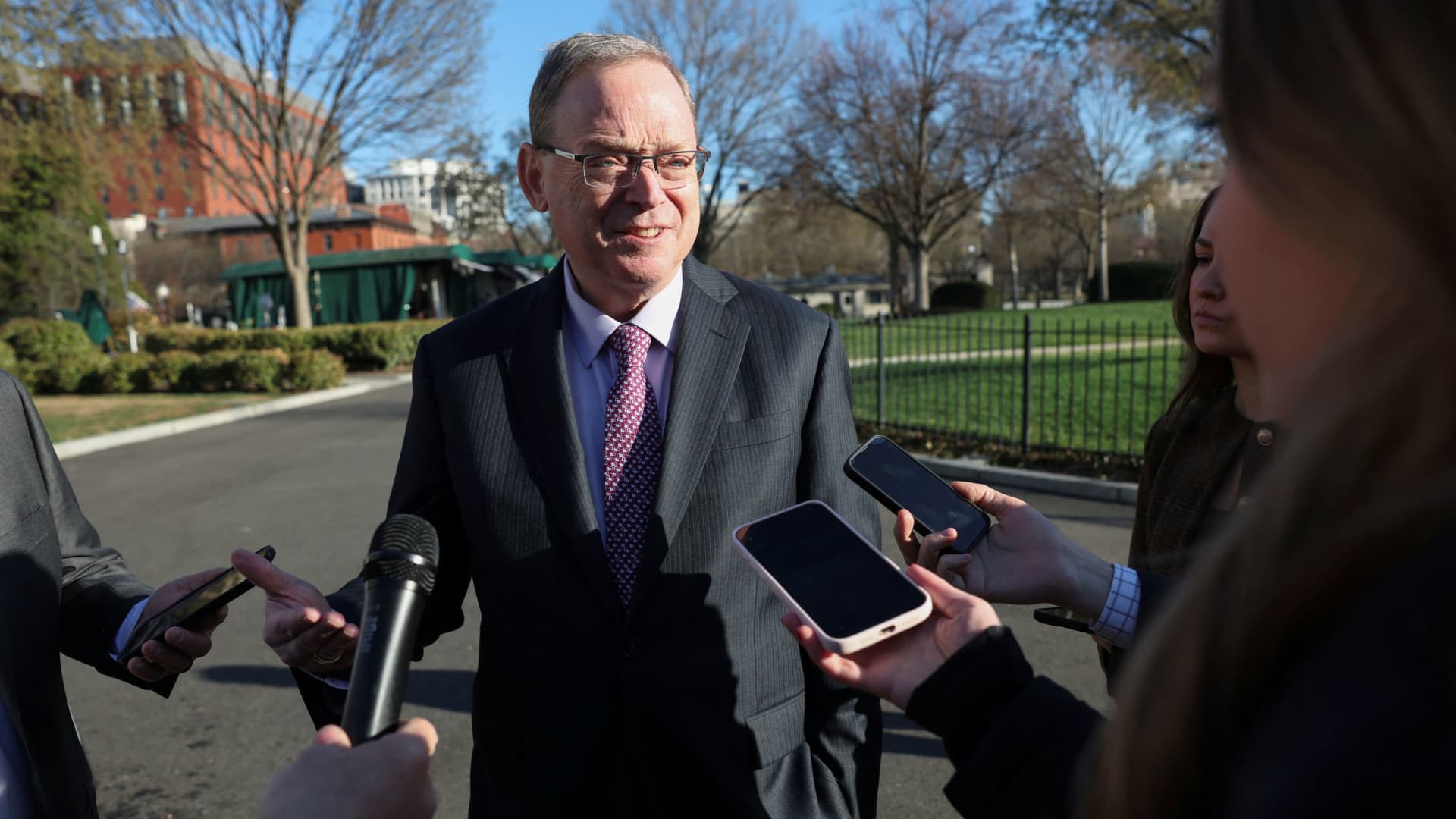
The Conversation U.S. asked Tom Stapleford, a professor who has written a book on the political history of the U.S. consumer price index, to explain why this move could undermine trust in the indicators the government releases and why that could damage the economy.
What key data does the BLS release?
Founded in 1884, the Bureau of Labor Statistics publishes monthly and annual data about American consumers and workers. Historically, the BLS has focused on urban workers and consumers, while the Department of Agriculture covered farmers and agricultural work. But these days, the Bureau of Labor Statistics also collects some data reflecting rural areas too.