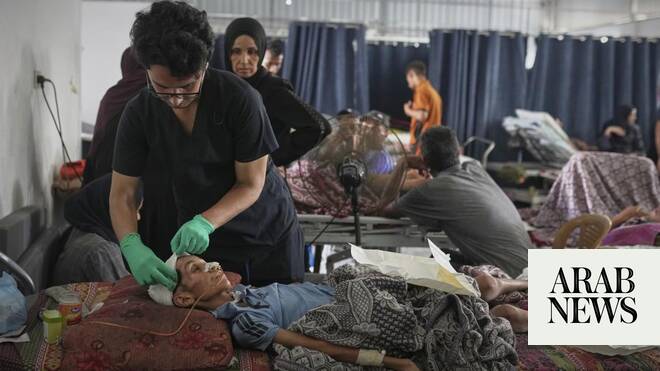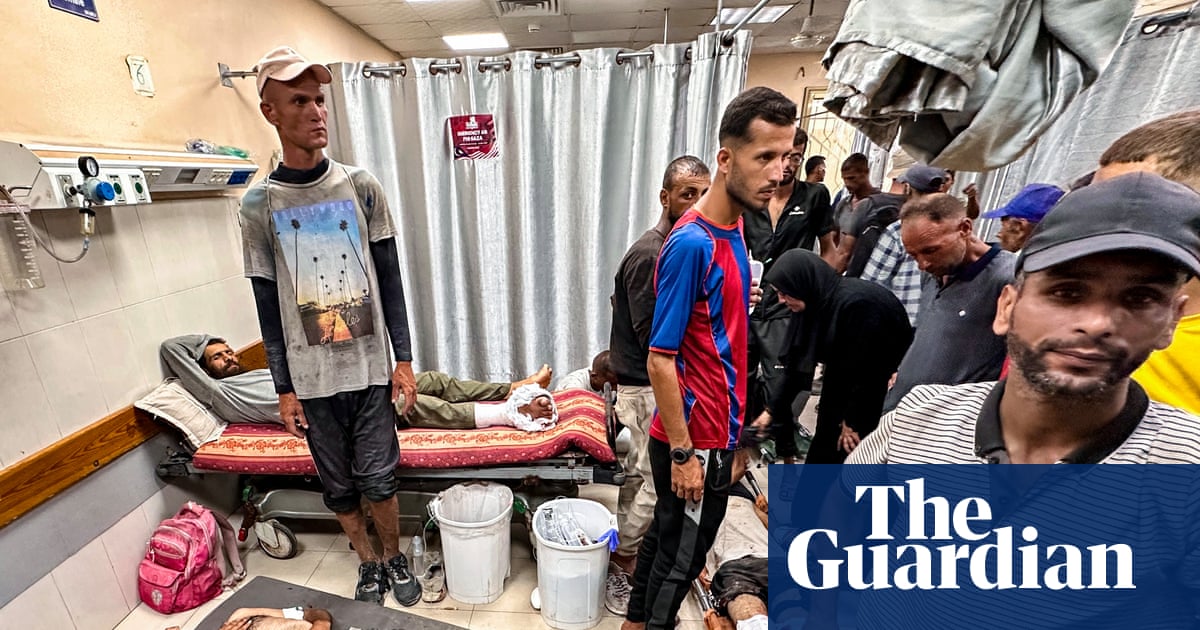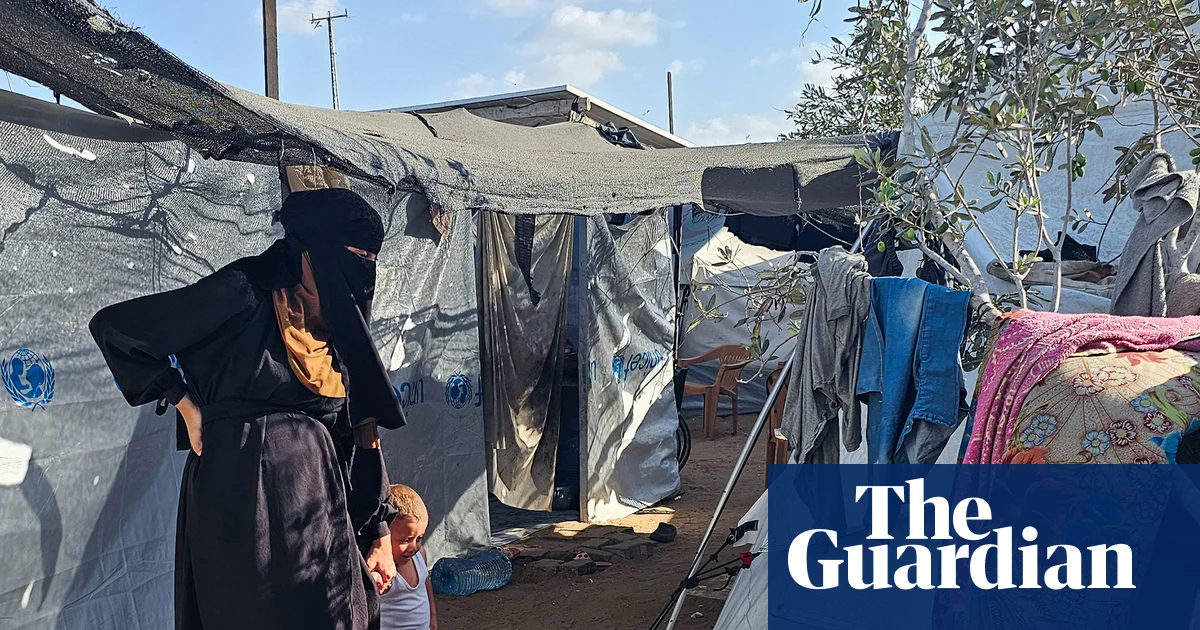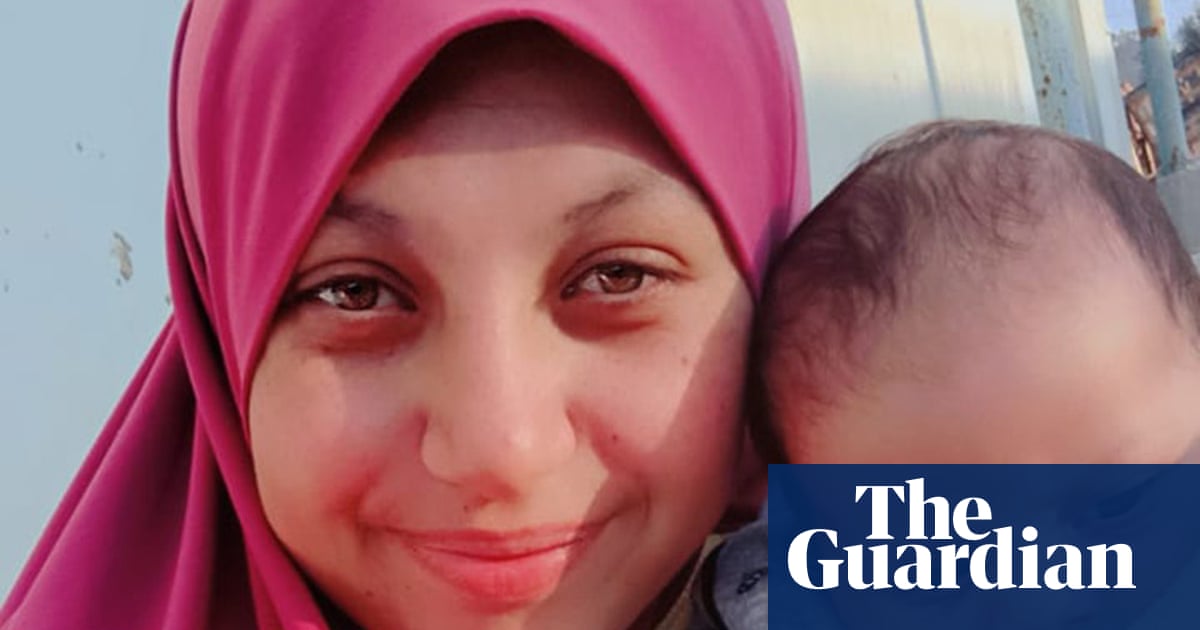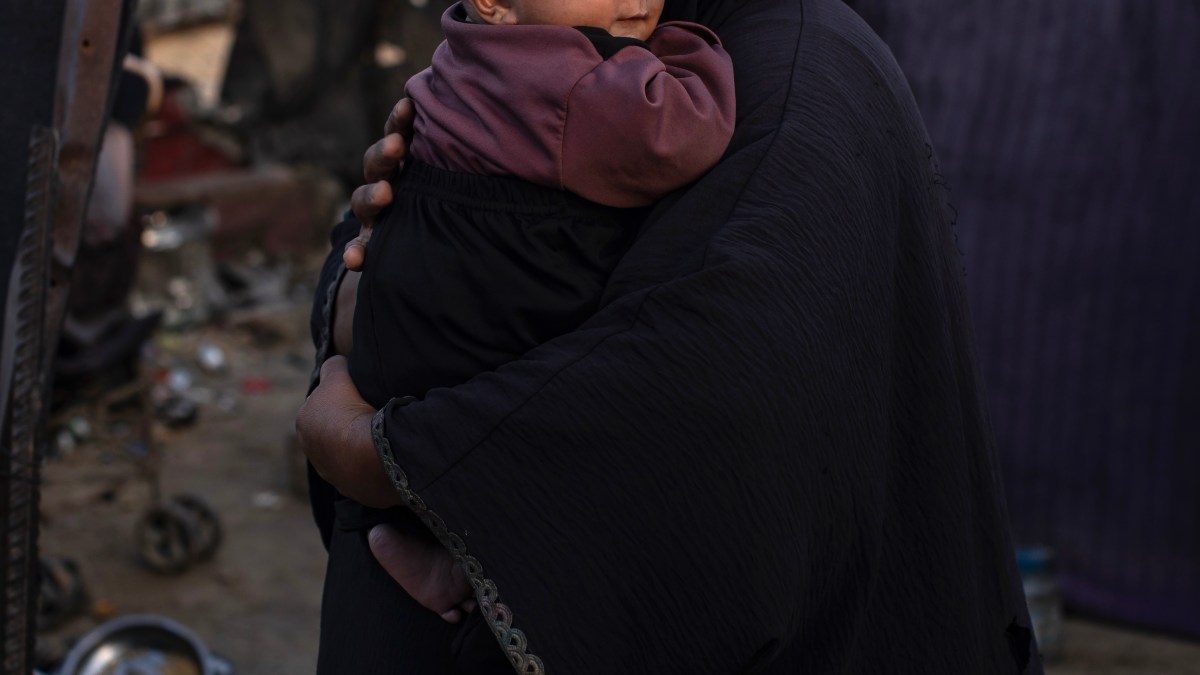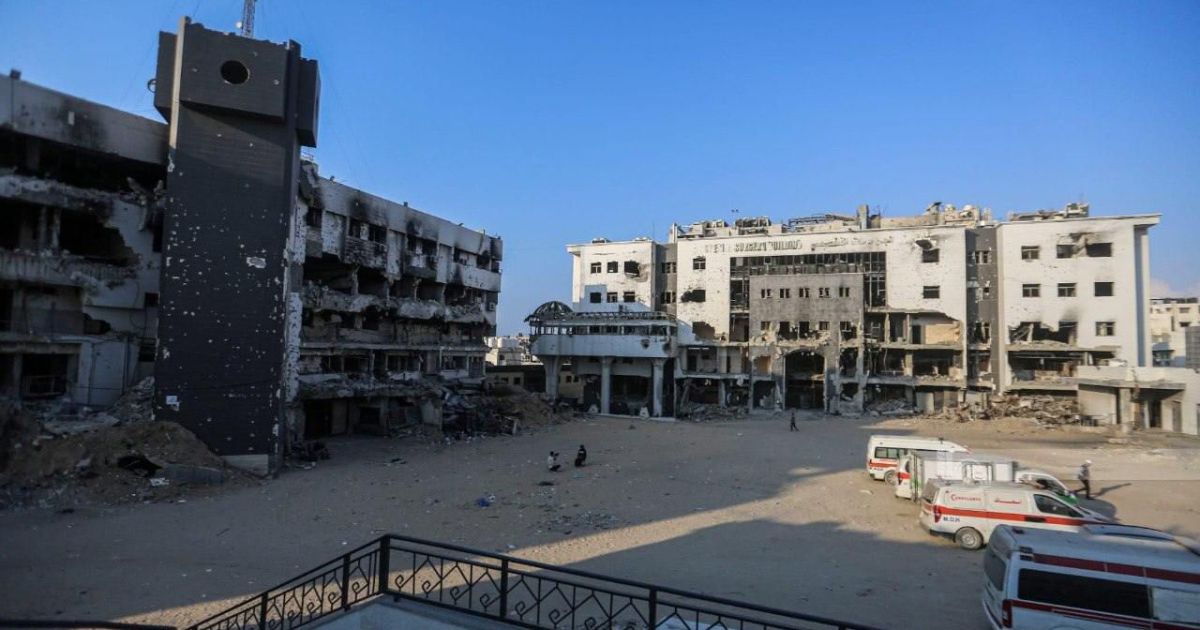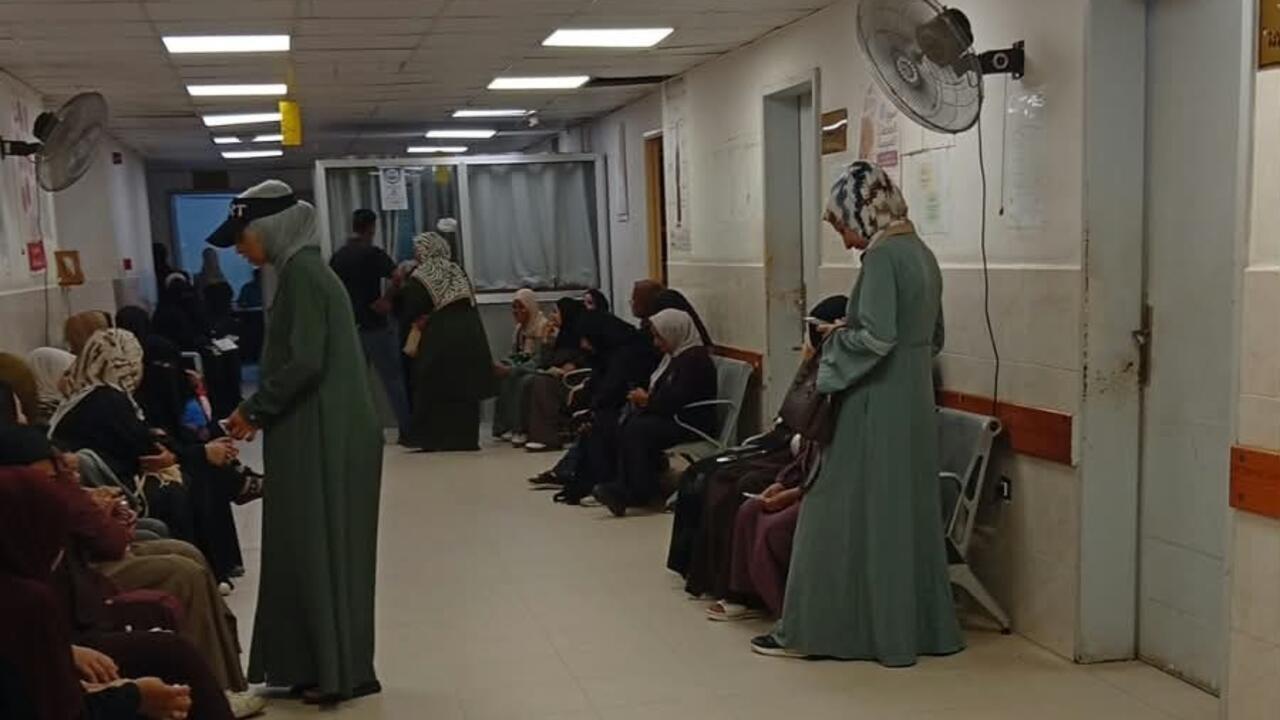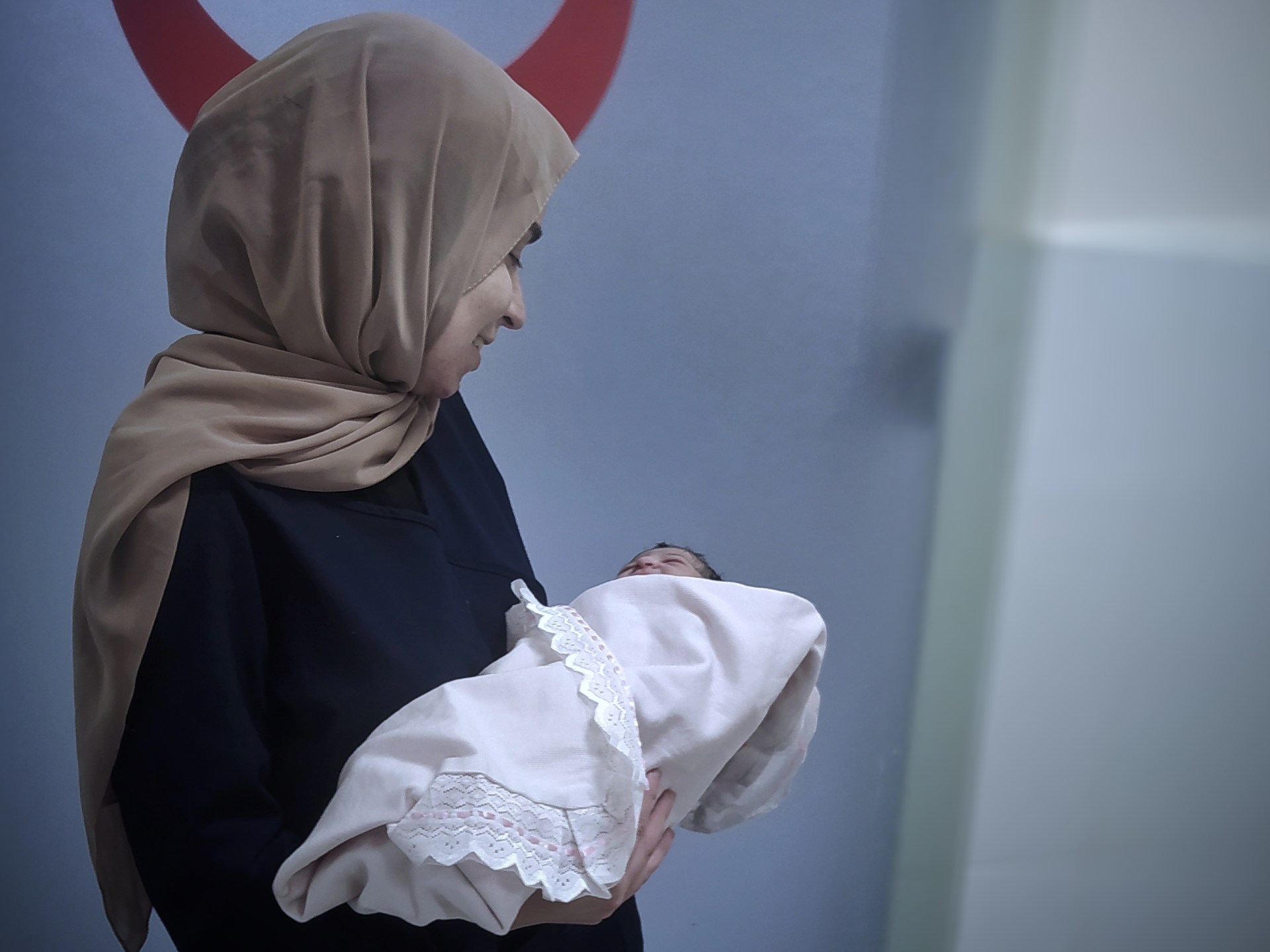
On a hospital night shift, a medical intern reflects on the hardship, hunger and resilience of women who bring children into the world amid war.
It is 2am in the obstetrics and gynaecology emergency department of Assahaba Medical Complex in Gaza City. Through the open windows, I can hear the never-ending hum of drones in the sky above, but aside from that, it is quiet. A breeze flows through the empty hall, granting relief from the heat, and a soft blue glow emanates from the few lights that are on. I am six months into a yearlong internship and 12 hours into a 16-hour shift. I am so tired that I could fall asleep here at the admissions desk, but in the calm, a rare sense of peace envelopes me.
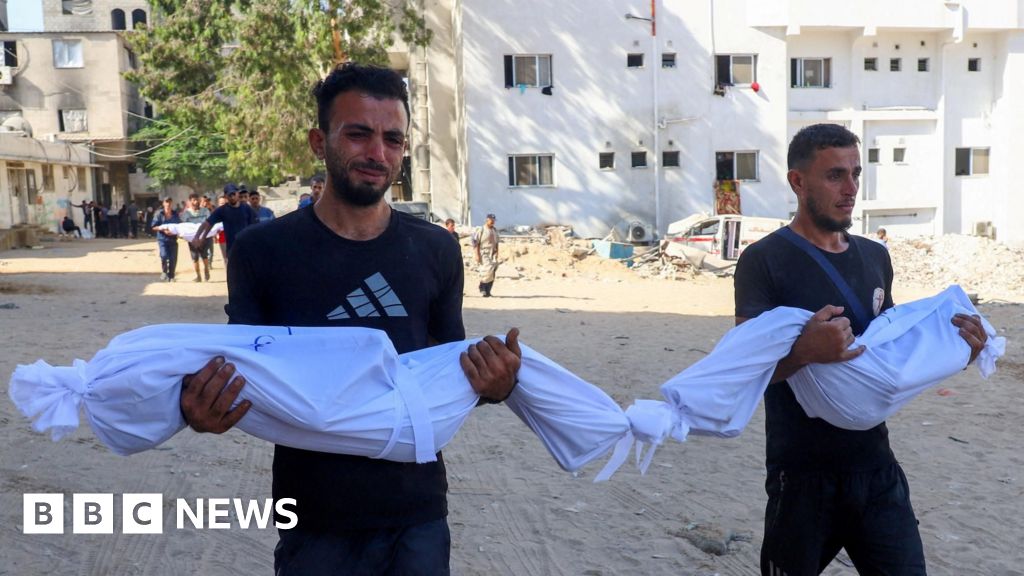
It is soon shattered by a woman crying in pain. She is bleeding and gripped by cramps. We examine her and tell her that she has lost her unborn baby – the child she has dreamed of meeting. The woman was newly married, but just a month after her wedding, her husband was killed in an air raid. The child she was carrying – a 10-week-old embryo – was their first and will be their last.
Her face is pale, as though her blood has frozen with the shock. There is anguish, denial, and screams. Her screams draw the attention of others, who gather around her as she falls to the ground. We revive her, only to return her to her suffering. But now she is silent – there are no cries, no expression. Having lost her husband, she now endures the pain of losing what she hoped would be a living memory of him.