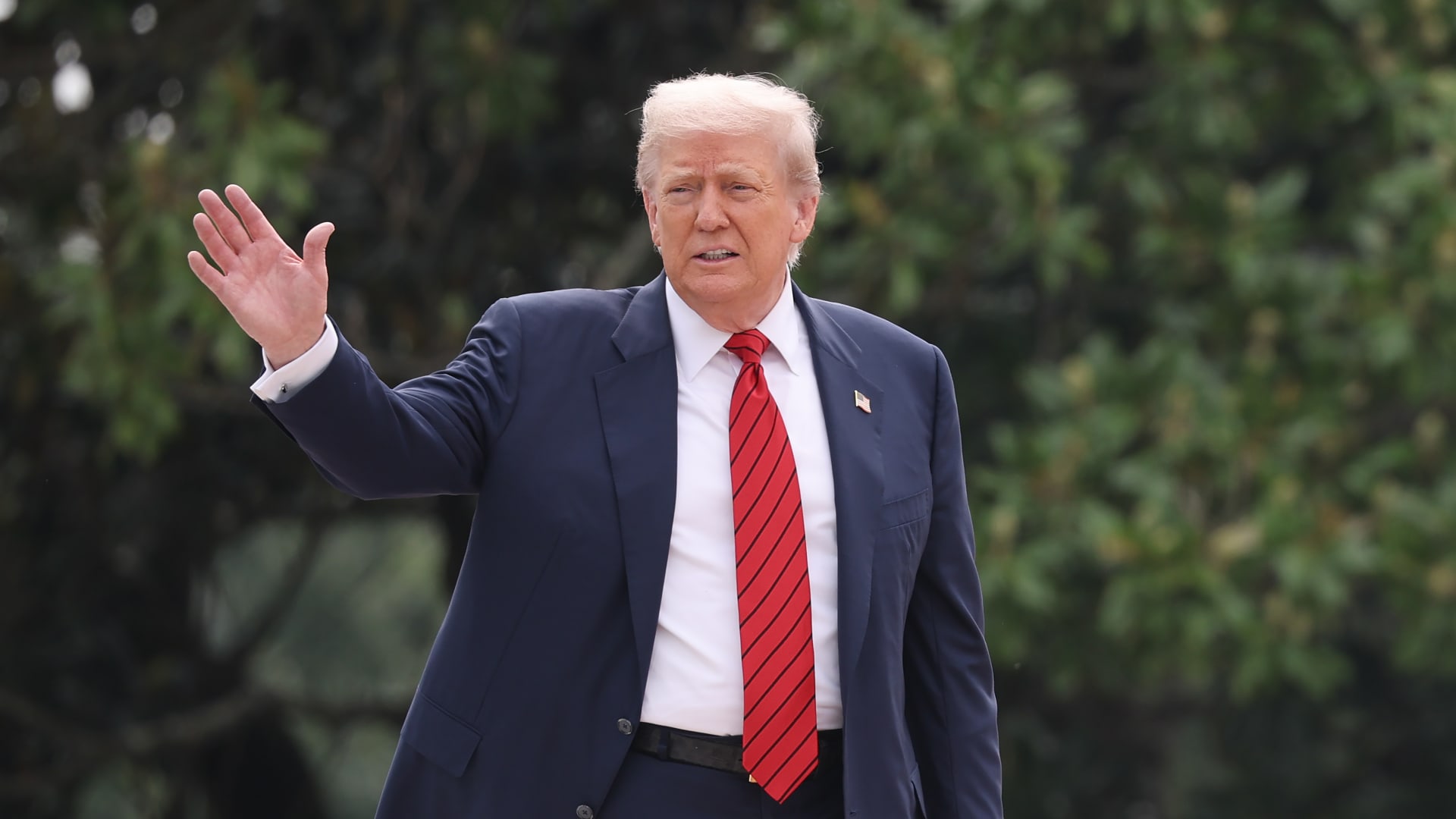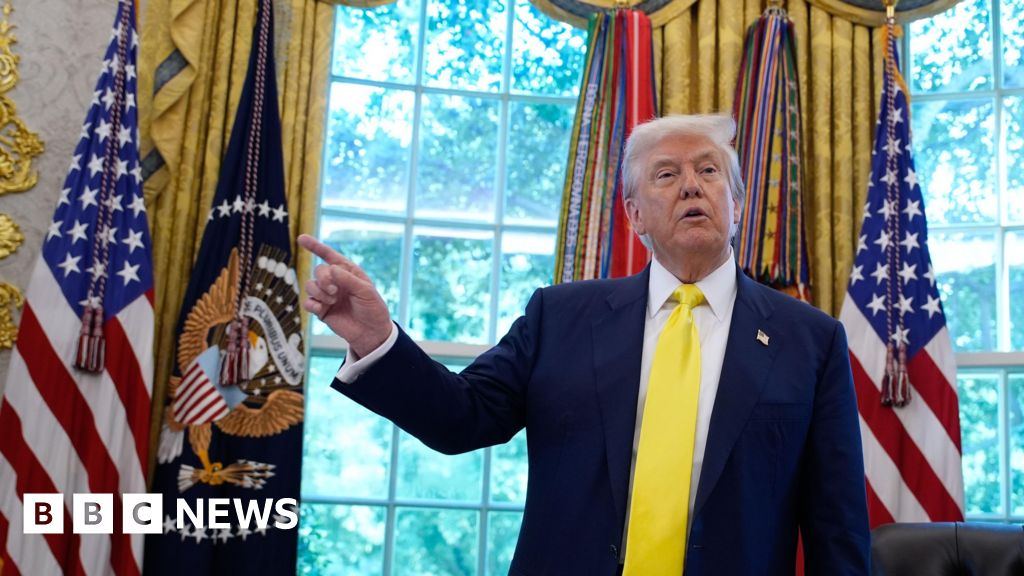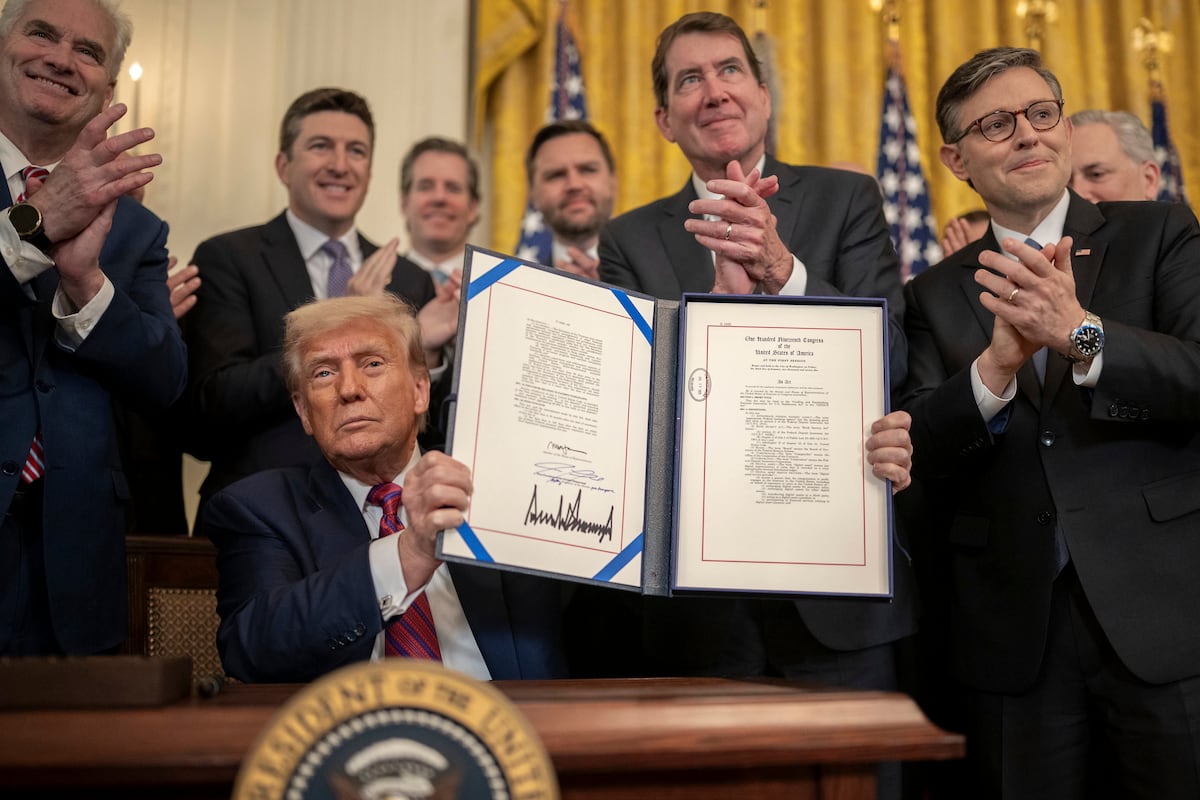
President Donald Trump signed an executive order on Thursday allowing alternative assets such as private equity, cryptocurrencies and real estate into workplace retirement plans.
The entrance of private equity investments — funds that invest in non-publicly traded businesses — into workplace plans is a big win for the world’s largest money managers, who stand to profit from expansion of access to an asset class that has historically been available only to wealthy investors.
BlackRock CEO Larry Fink in particular has been an advocate for opening the doors to private equity, arguing in his most recent annual shareholder letter that “democratizing” private markets could provide market-beating long-term returns for American workers.
But while these new investments can offer tantalizing profits, they also pose a major risk for long-term retirement savers, some investor advocates say.
“The objective for the average person is to have a safe, secure retirement plan,” says Jerry Schlichter, founding partner of Schlichter Bogard, a firm known for lawsuits on behalf of employees over excessive fees in 401(k) plans. “When you talk about new areas like cryptocurrency or private equity, these are fraught with danger for investors for a variety of reasons.”