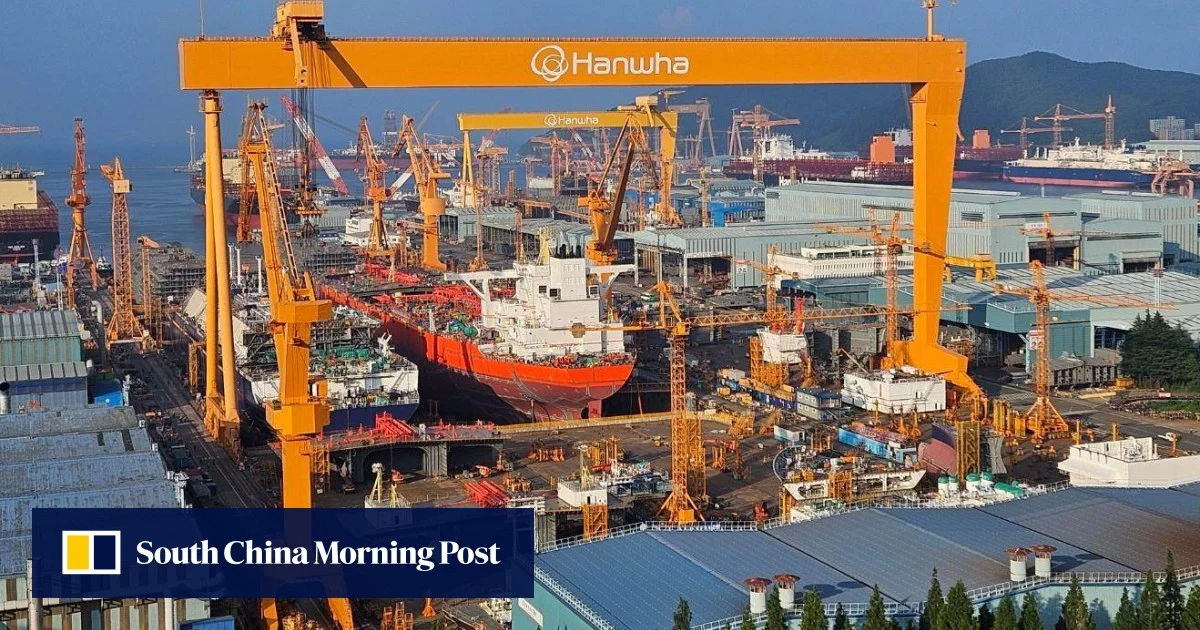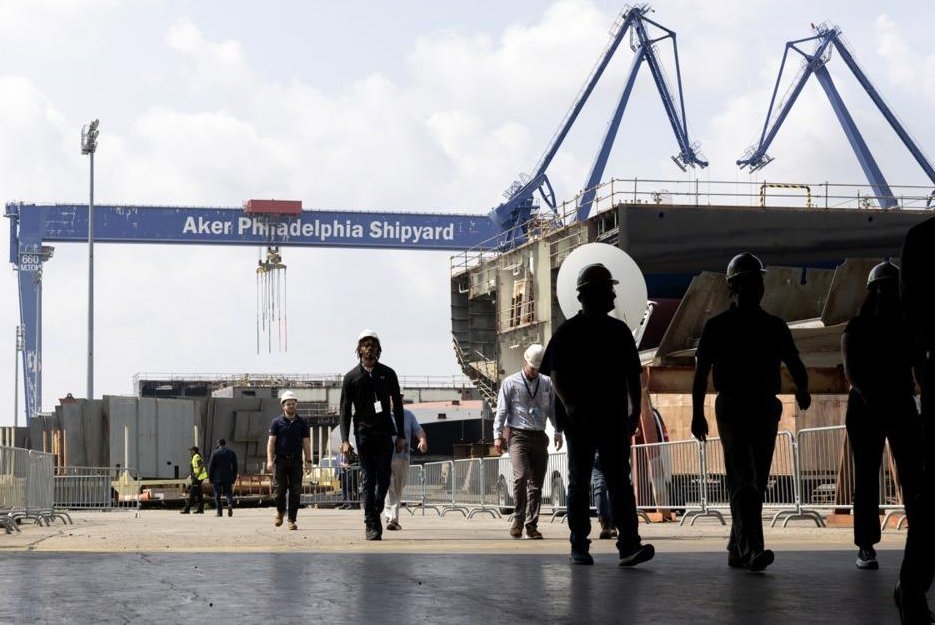
SEOUL, Aug. 7 (UPI) When U.S. Navy Secretary John C. Phelan and former White House Budget Director Russell Vought visited Hanwha's Philly Shipyard on July 30, it was more than a symbolic gesture.
Their inspection, which included a meeting with Korean welding trainees and close observation of automated welding systems from Hanwha's Geoje yard, reflected a dramatic shift underway in the U.S.-Korea alliance -- from military defense to industrial partnership.
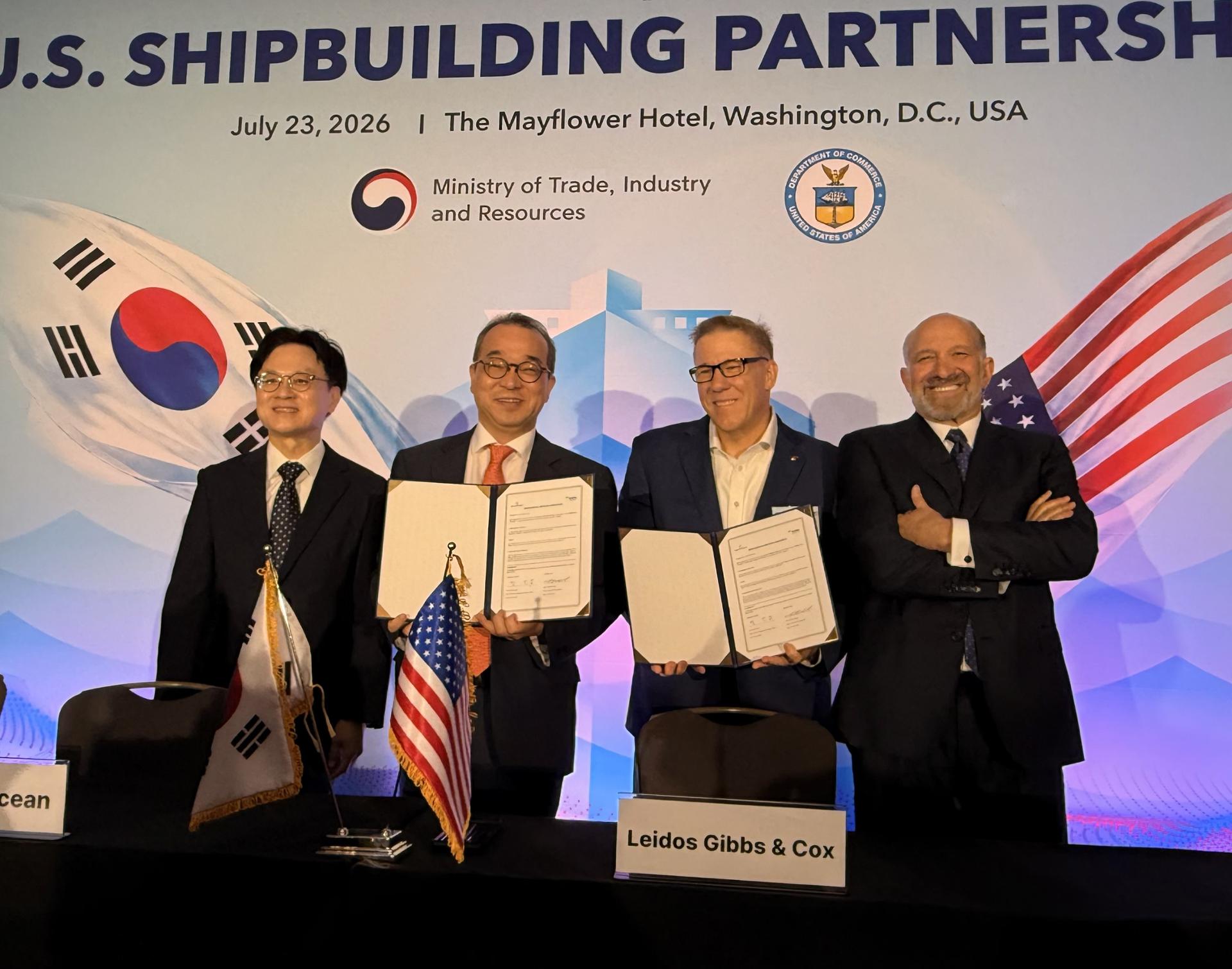
The following day, former President Donald Trump announced that Washington and Seoul had reached a landmark agreement on tariffs. At its center lies the MASGA Project-- short for "Make America's Shipyards Great Again" -- a $150 billion South Korean initiative embedded in a broader $350 billion investment fund to help revive America's floundering shipbuilding industry.
The scale of the challenge is breathtaking. In 2024, U.S. shipyards delivered only seven vessels, amounting to just 0.1% of global market share. Meanwhile, China controls nearly half of global shipbuilding. Rebuilding this capacity has become not only an economic priority, but also a national security imperative.
For Washington, Korea -- the world's second-largest shipbuilding power -- is the only credible partner to make that possible.