Trying to rationalize Maxwell’s actions evades what is truly terrifying about the dark center of the Epstein saga
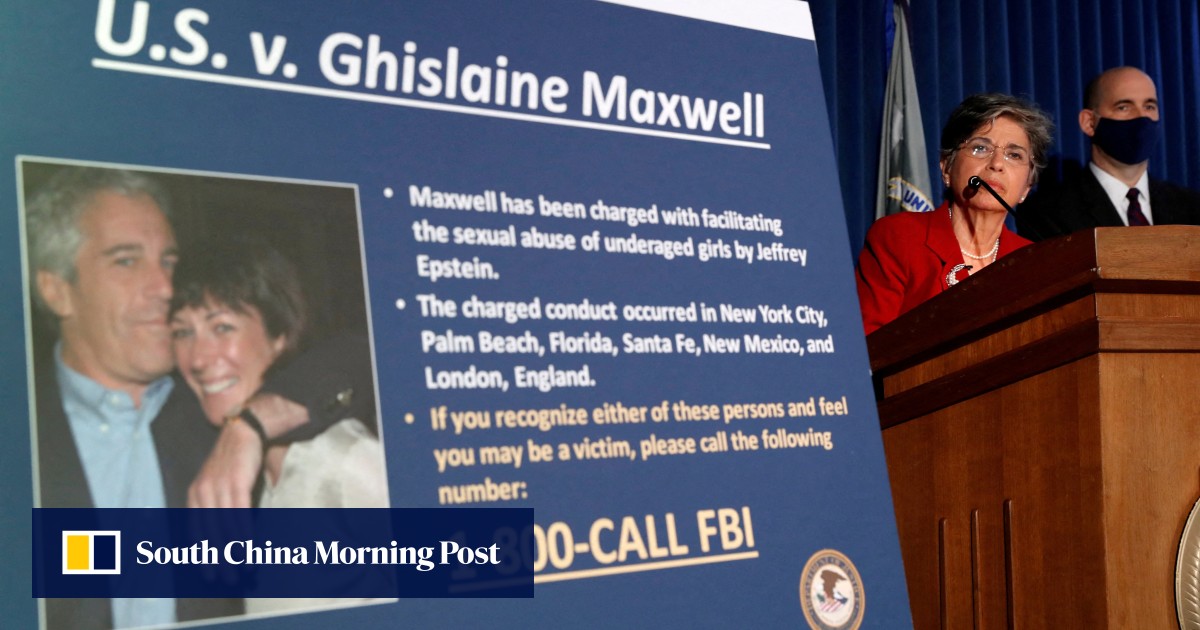
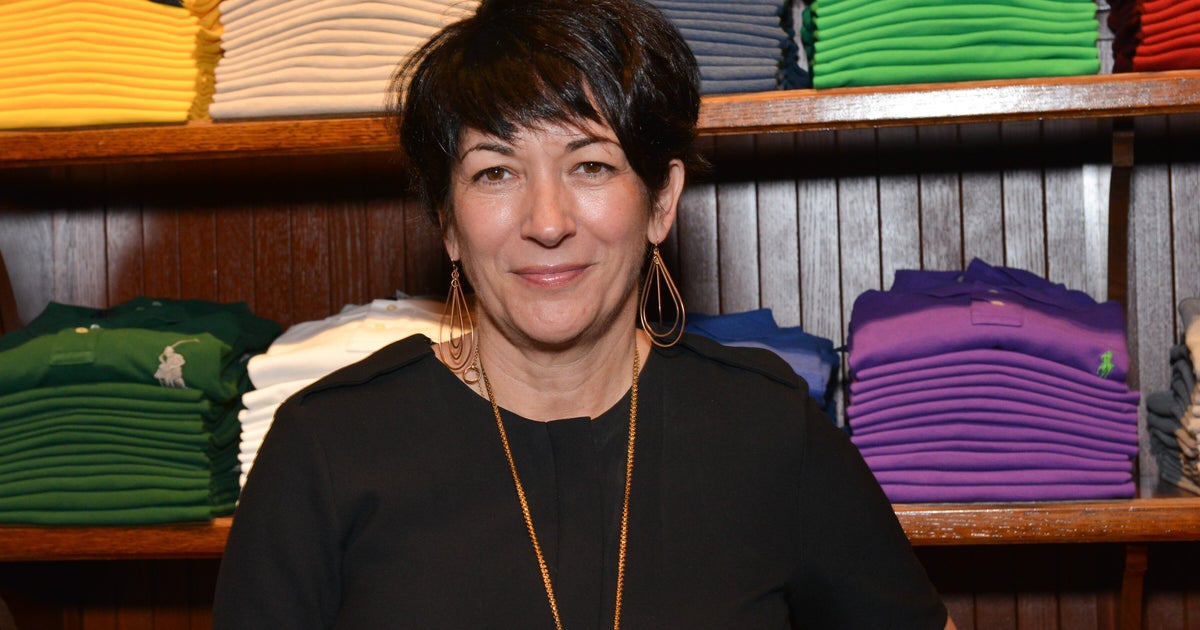
ays after Ghislaine Maxwell met with the deputy attorney general Todd Blanche, the convicted child sex trafficker and longtime Jeffrey Epstein girlfriend and procurer was moved from a women’s federal prison in Tallahassee, Florida, to a so-called “prison camp” in Texas, a dramatically more comfortable minimum-security environment with dormitory-style housing and fewer guards, sometimes called “Club Fed”.
Maxwell’s new camp primarily houses nonviolent offenders, and the inmates there are reportedly livid, and probably not a little bit frightened, to be imprisoned with one of the world’s most notorious sex traffickers and alleged rapists. Maxwell, too, was not initially eligible for such a transfer, due to her sex offender status; connections at the Department of Justice had to waive a procedural requirement in order for the move to go through.
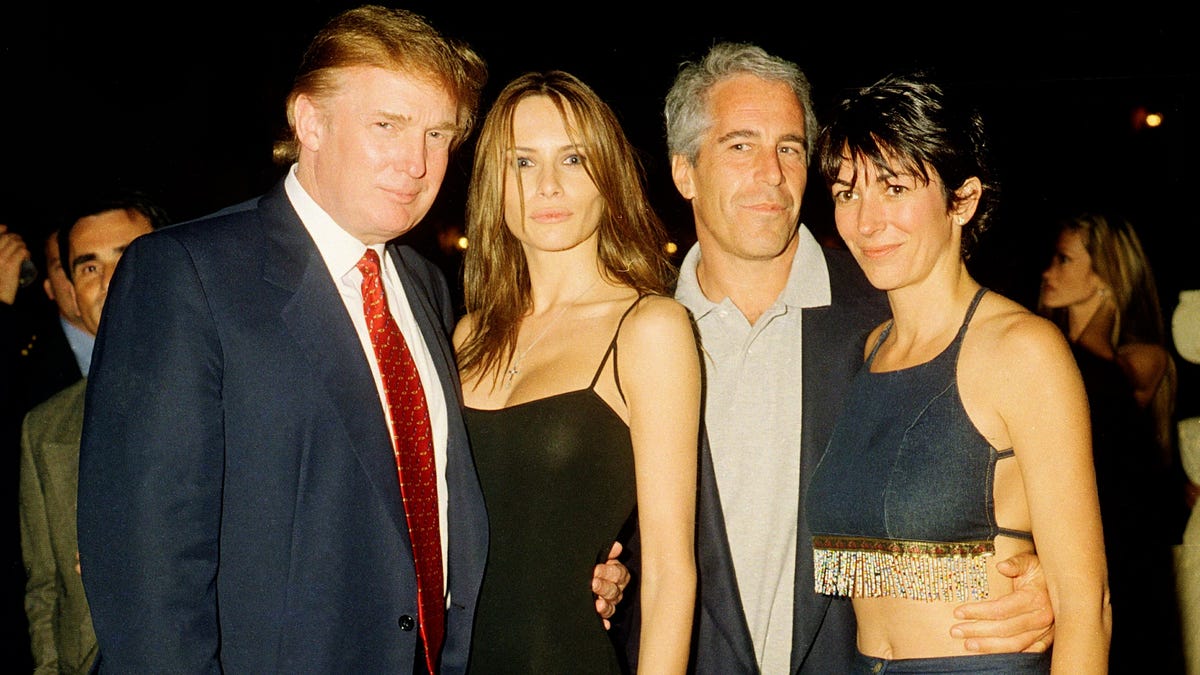
The transfer appears to be a reward. As Donald Trump struggles to extract himself from the continuing fallout of the Epstein scandal, Maxwell finds herself, now, in the best position that she has been in since her one-time partner Epstein died in a jail cell in 2019. Suddenly, she has something that the president wants: the ability to say, truthfully or no, that Trump had nothing to do with Epstein’s sex trafficking. The president, too, has something that Maxwell wants: the ability to issue a pardon.