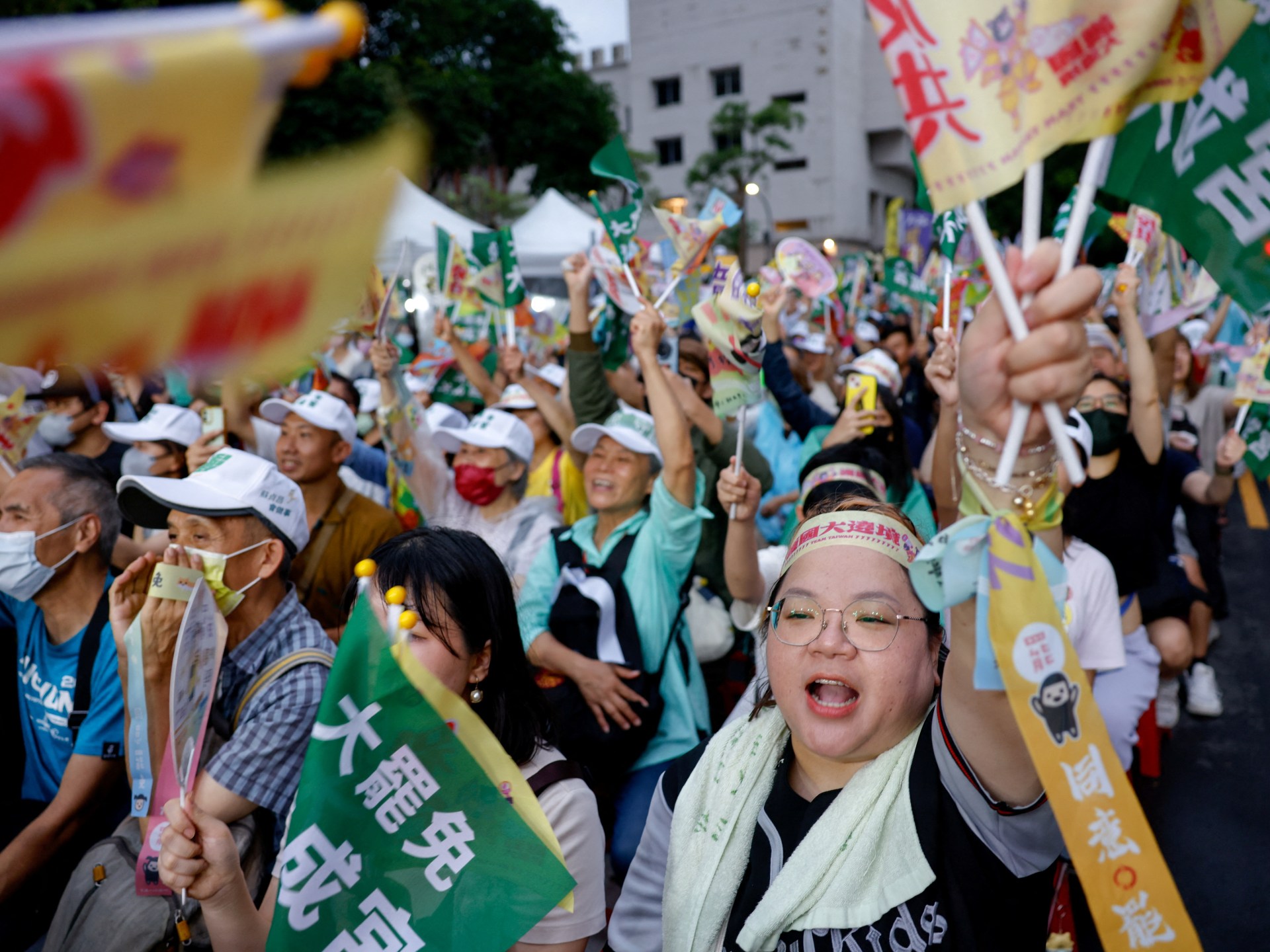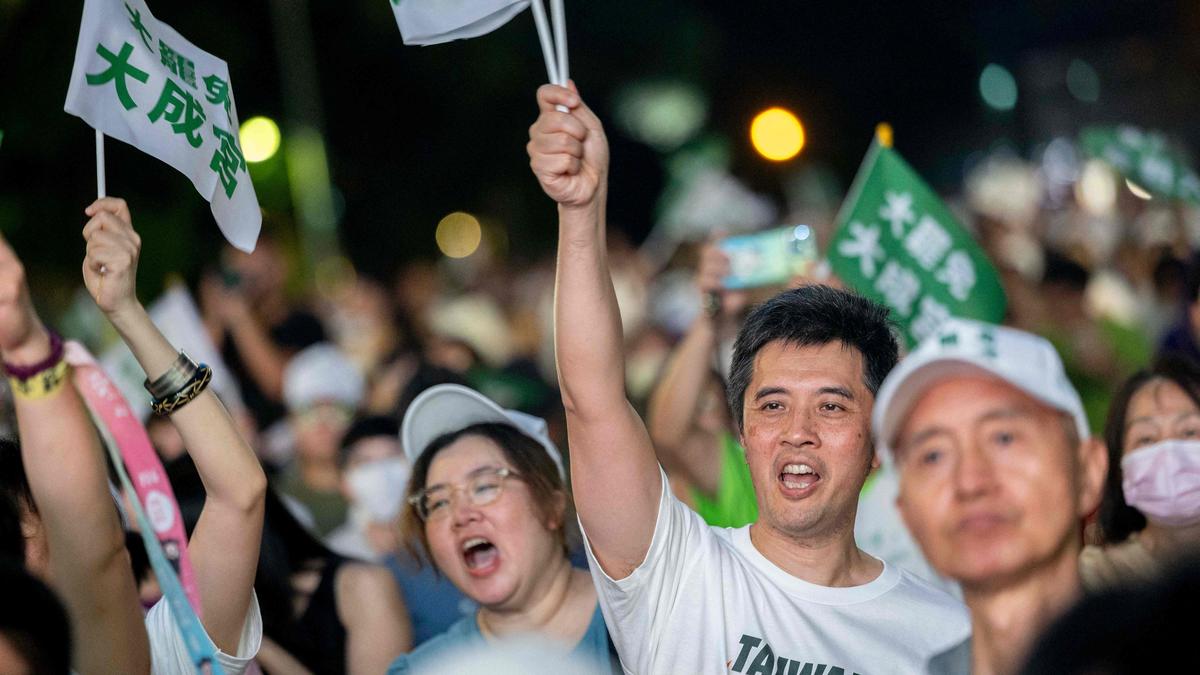
The story so far: On July 26, Taiwanese citizens voted to recall 24 Kuomintang (KMT) opposition party lawmakers from parliament (Legislative Yuan), but in round one, all 24 members managed to retain their seats with people in their districts voting against their removal. The second round is slated for late August. The Great Recall vote, supported by the Bluebird Movement and the ruling Democratic Progressive Party (DPP), accused KMT of being in cahoots with China and of threatening national security.
When did the movement begin?
The movement started in 2024, as local protesters accused the opposition of blocking DPP bills and pushing controversial laws later declared unconstitutional. The movement failed to garner 25% support to recall opposition lawmakers in each district; DPP needed six KMT seats recalled to gain a legislative majority. Additionally, the second recall voting against seven seats of the KMT lawmakers will be conducted later this month. The DPP is pressured to get all seats in the upcoming recall vote. KMT, after its survival, is calling for a reshuffle of the cabinet.
What is the removal vote about?
The Taiwan Public Officials Election and Recall Act is a rarely used constitutional instrument, permitting citizens to remove elected officials. The act has three stages of checks to successfully remove an office holder. The first step requires a petition signed by at least 1% of the electorate, the second stage needs 10% support from the electorate, and in the final stage, 25% of the district’s eligible voters need to support the recall. After the Bluebird Movement, the DPP petitioned against KMT legislative lawmakers, accusing them of undermining national security by deferring to the Communist Party of China, and for passing bills without following procedural mandates. All 24 KMT lawmakers retained office by getting a majority of votes against their recall in their respective districts.