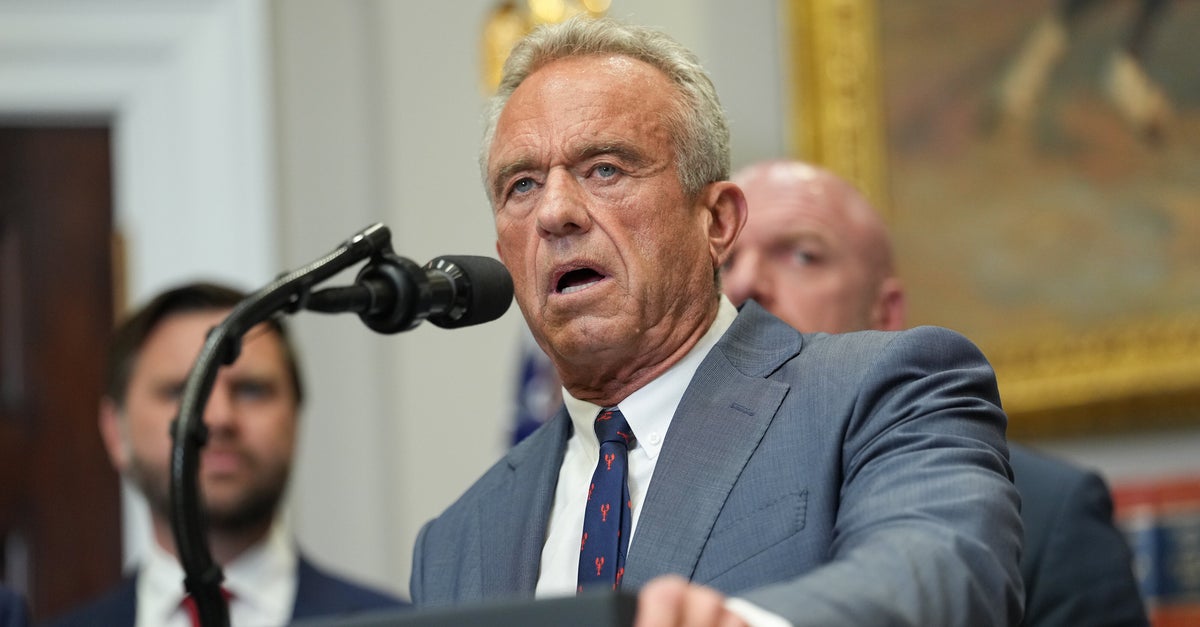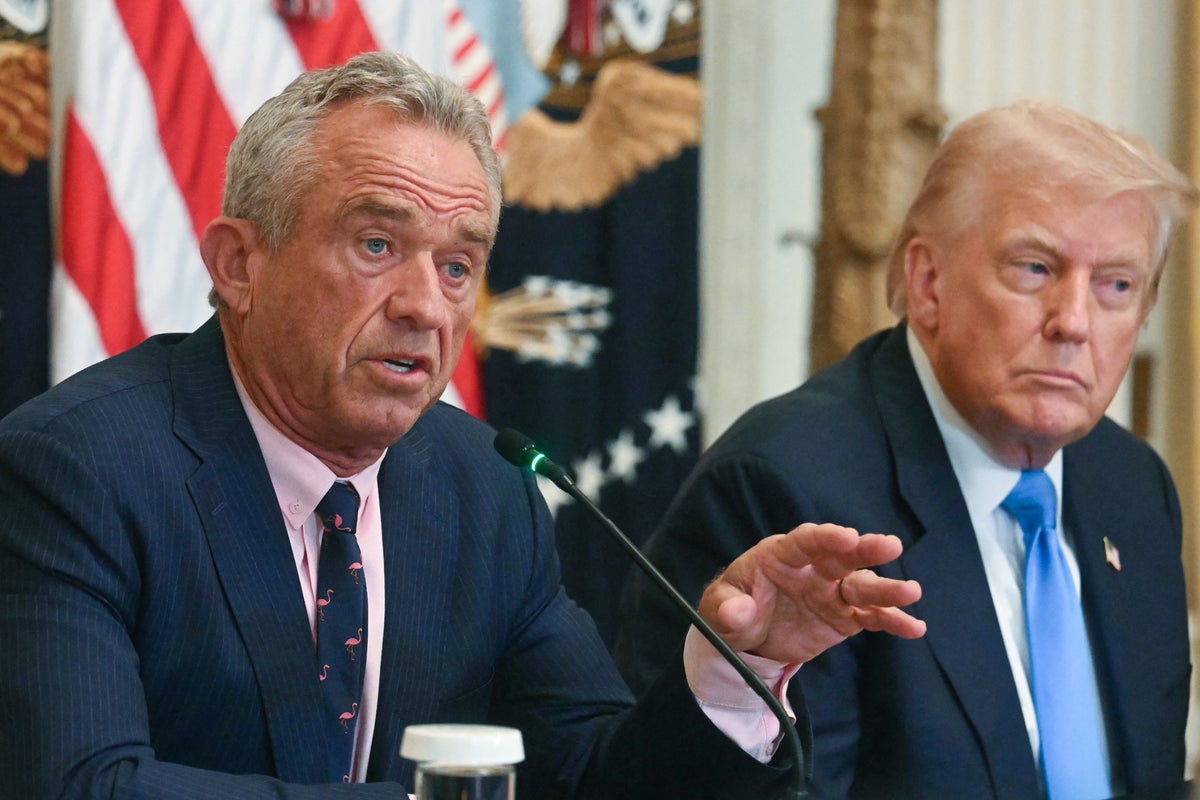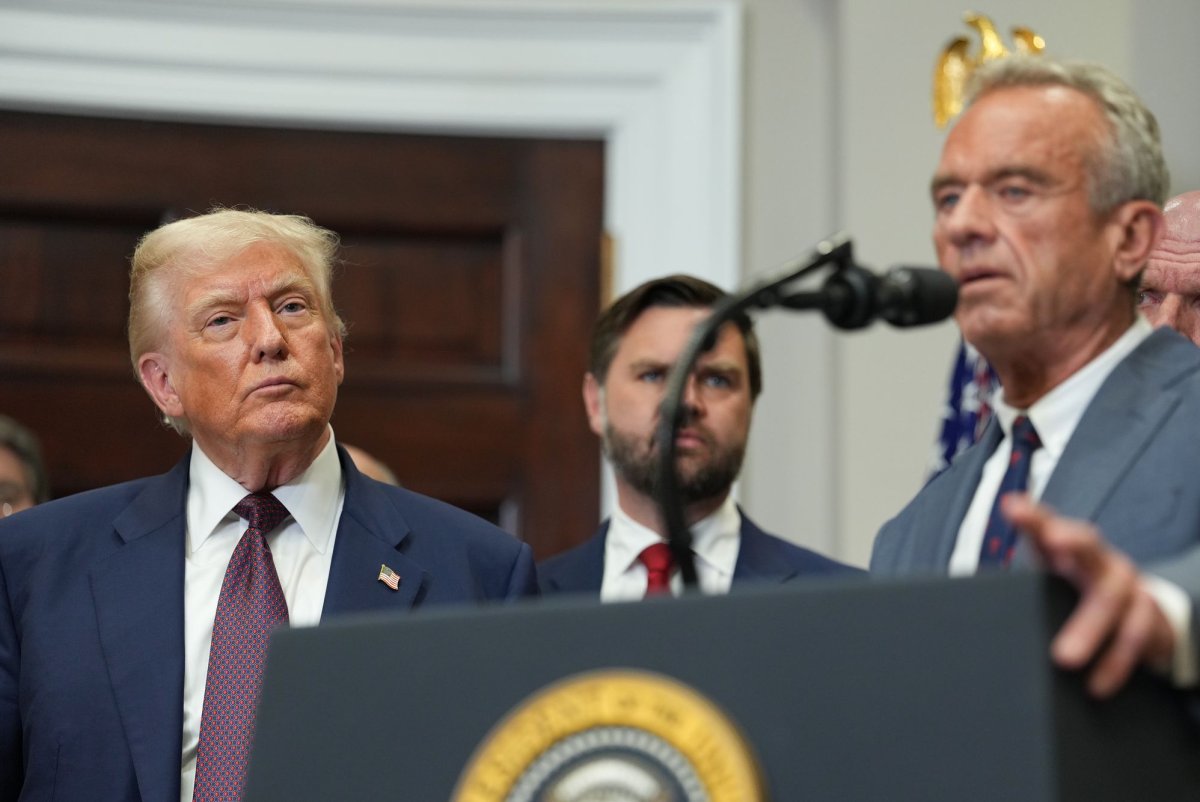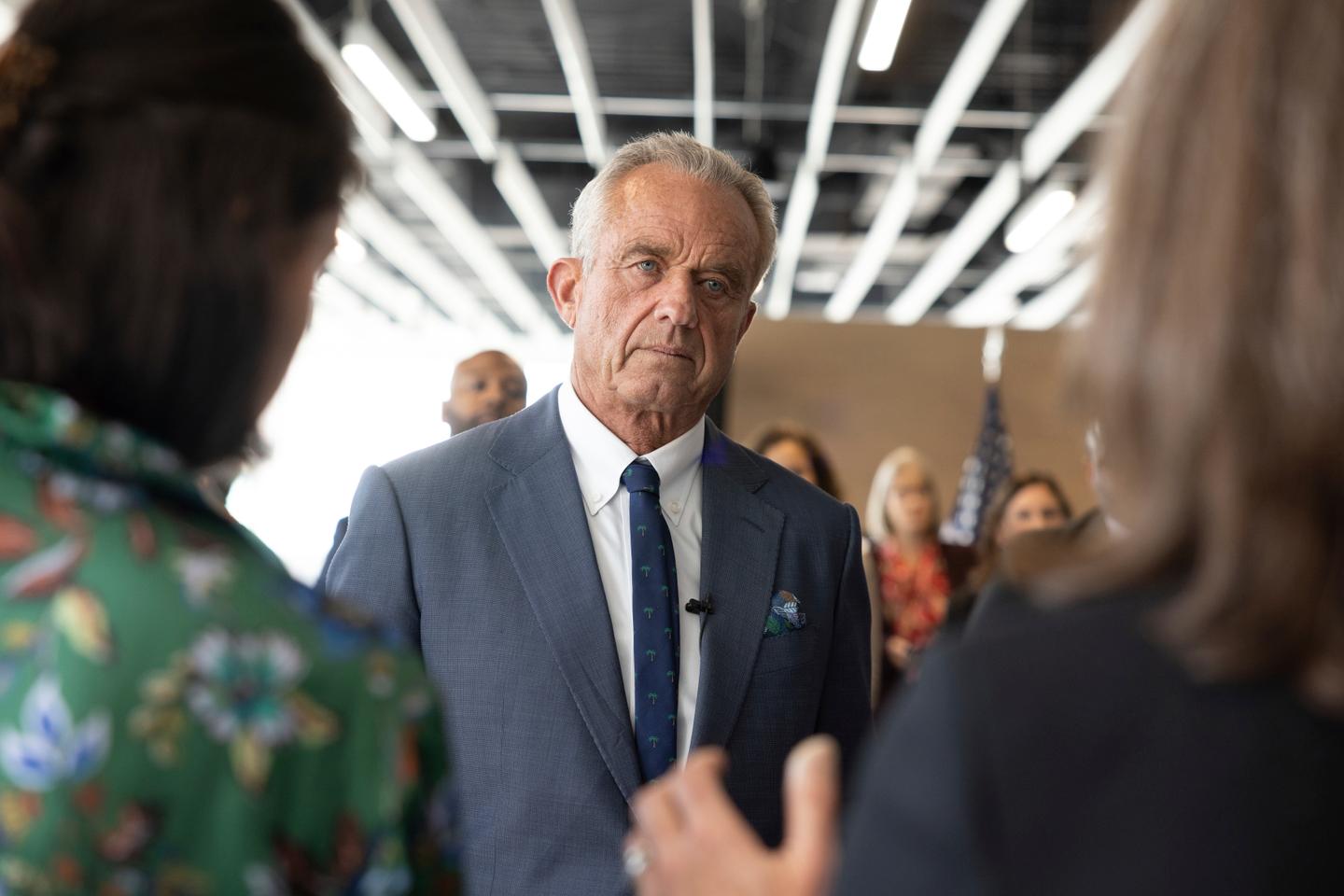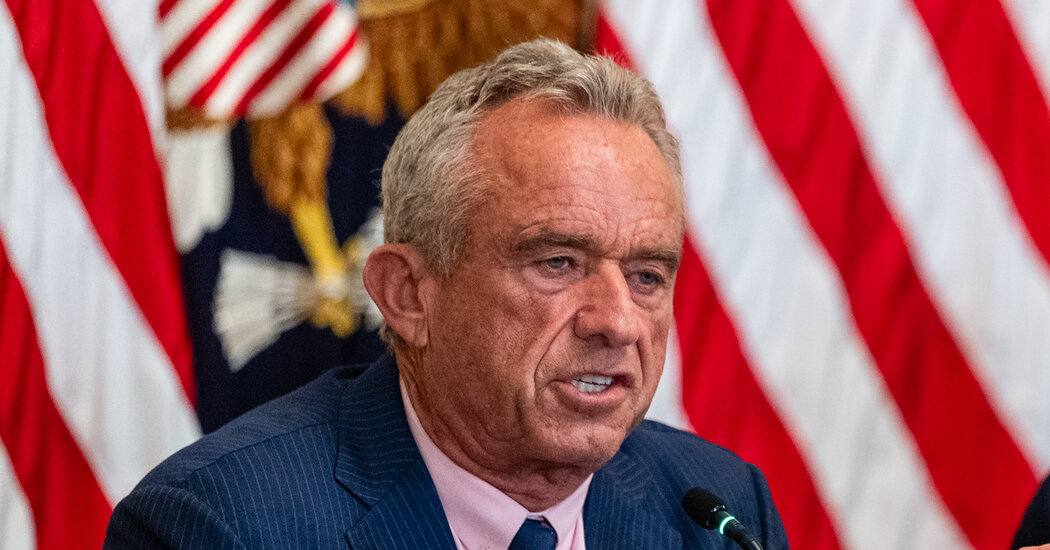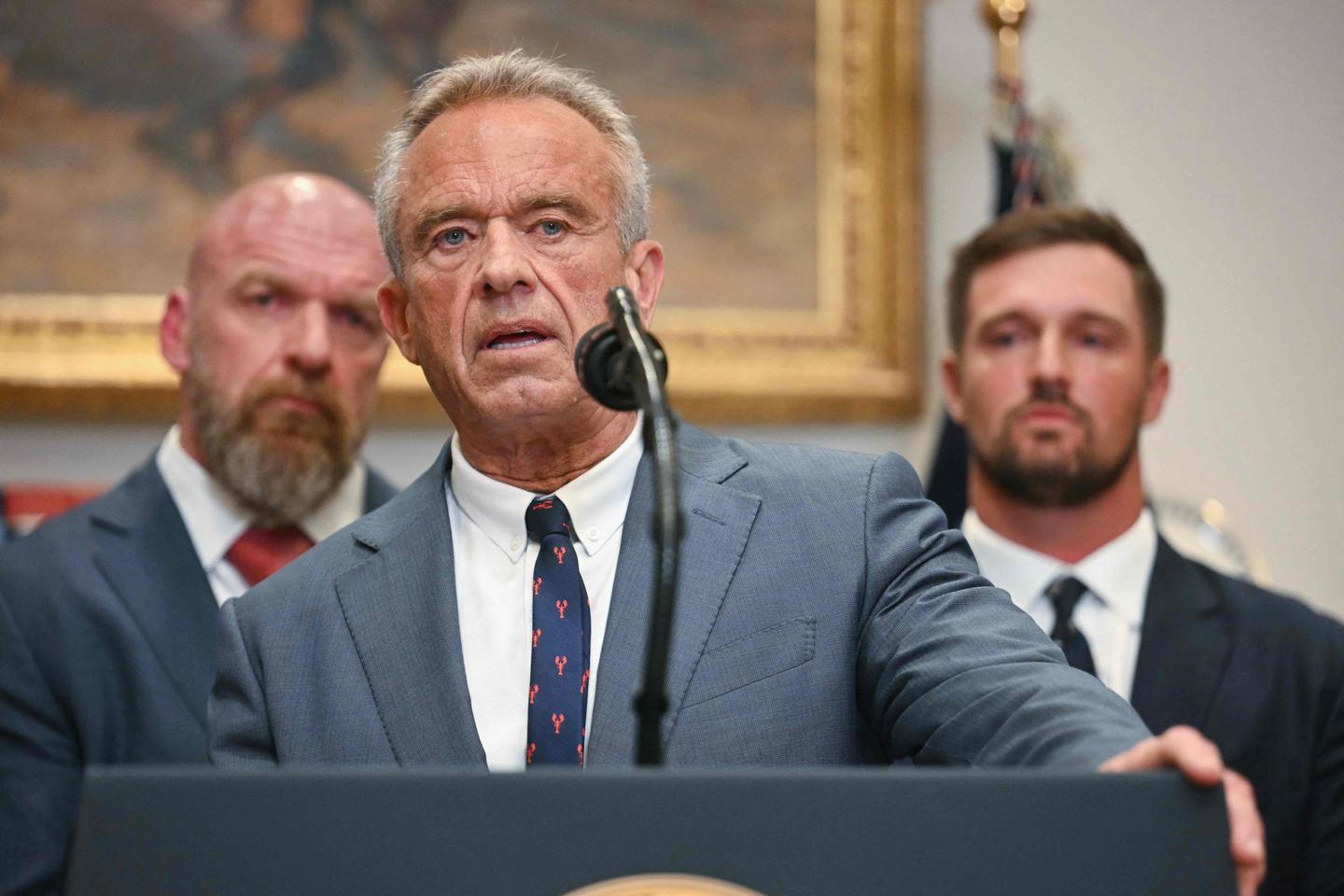
Health and Human Services Secretary Robert F. Kennedy Jr. revealed his agency will be cutting funding to mRNA development, calling the vaccine technology "ineffective" and claiming it poses more risks than benefits.
In a video posted on X Aug. 5, Kennedy said the decision will impact 22 projects worth nearly $500 million at the Biomedical Advanced Research and Development Authority, which helps companies develop medical supplies to address public health threats.
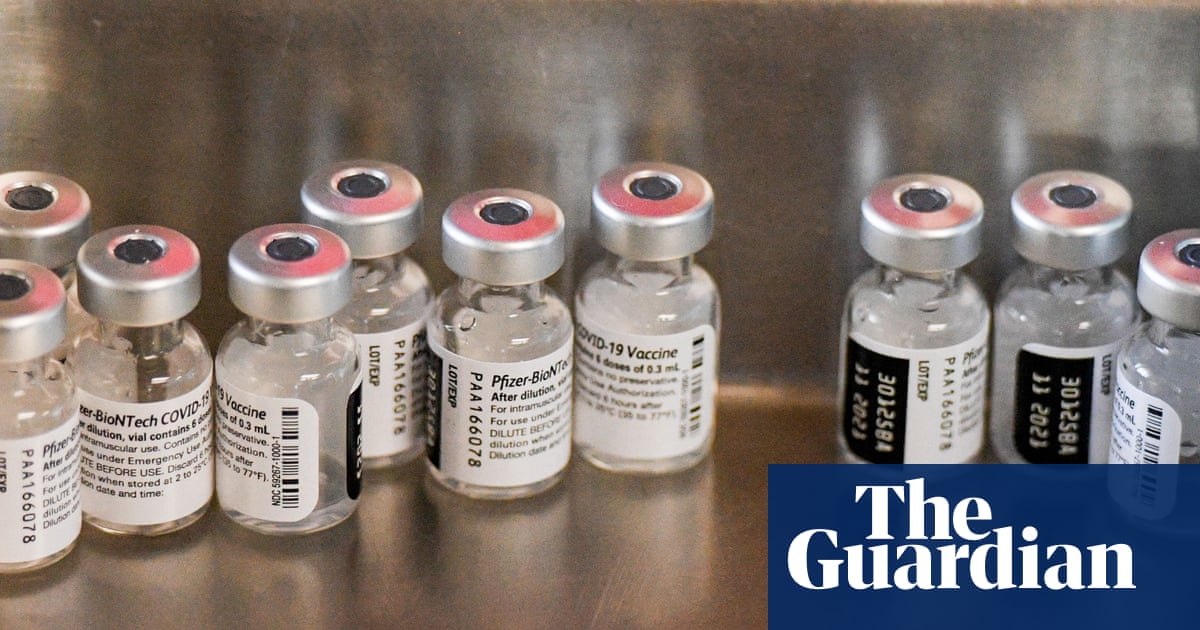
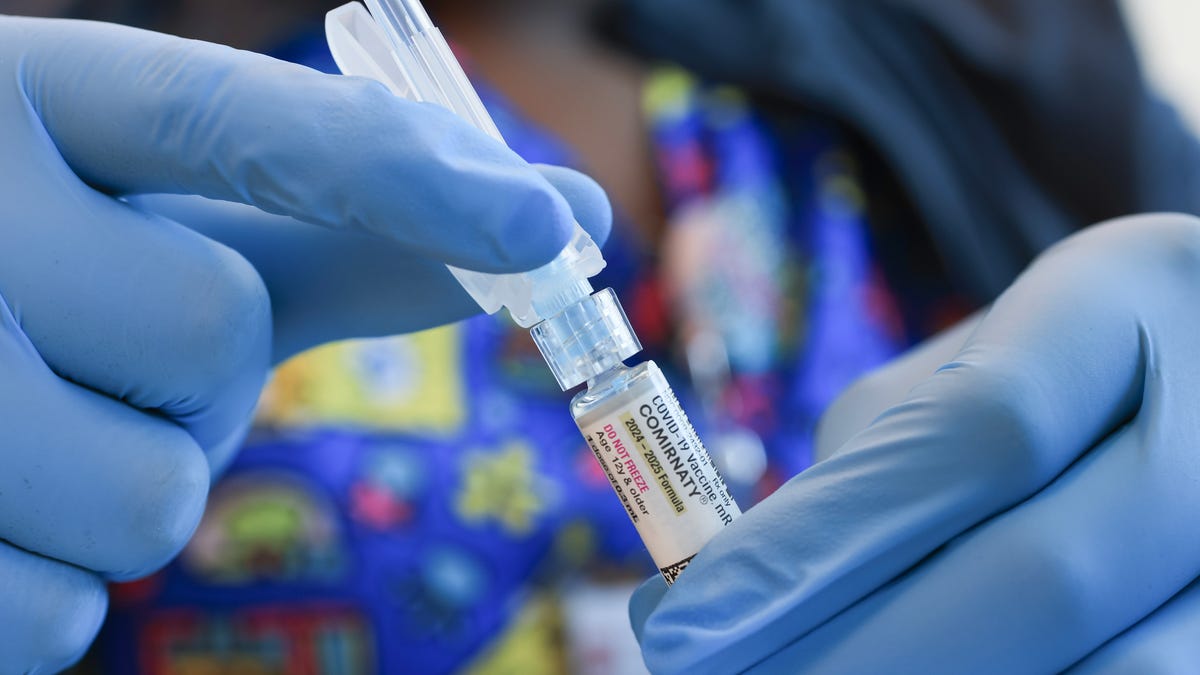
Messenger RNA, or mRNA, is used in the two most common COVID-19 vaccines licensed in the U.S. Kennedy’s announcement has raised questions about these vaccines, how mRNA works and what this decision means for future research.
"This technology played a vital role in our pandemic response and continues to show promise for treating serious diseases," said Jeff Coller, Bloomberg Distinguished Professor of RNA biology and therapeutics at Johns Hopkins University. "As other countries advance these proven, safe and effective therapies, American patients may increasingly depend on foreign innovation for breakthrough treatments."
The COVID-19 vaccine works by instructing the body’s immune system to recognize the virus and creating fighting antibodies to attack it.