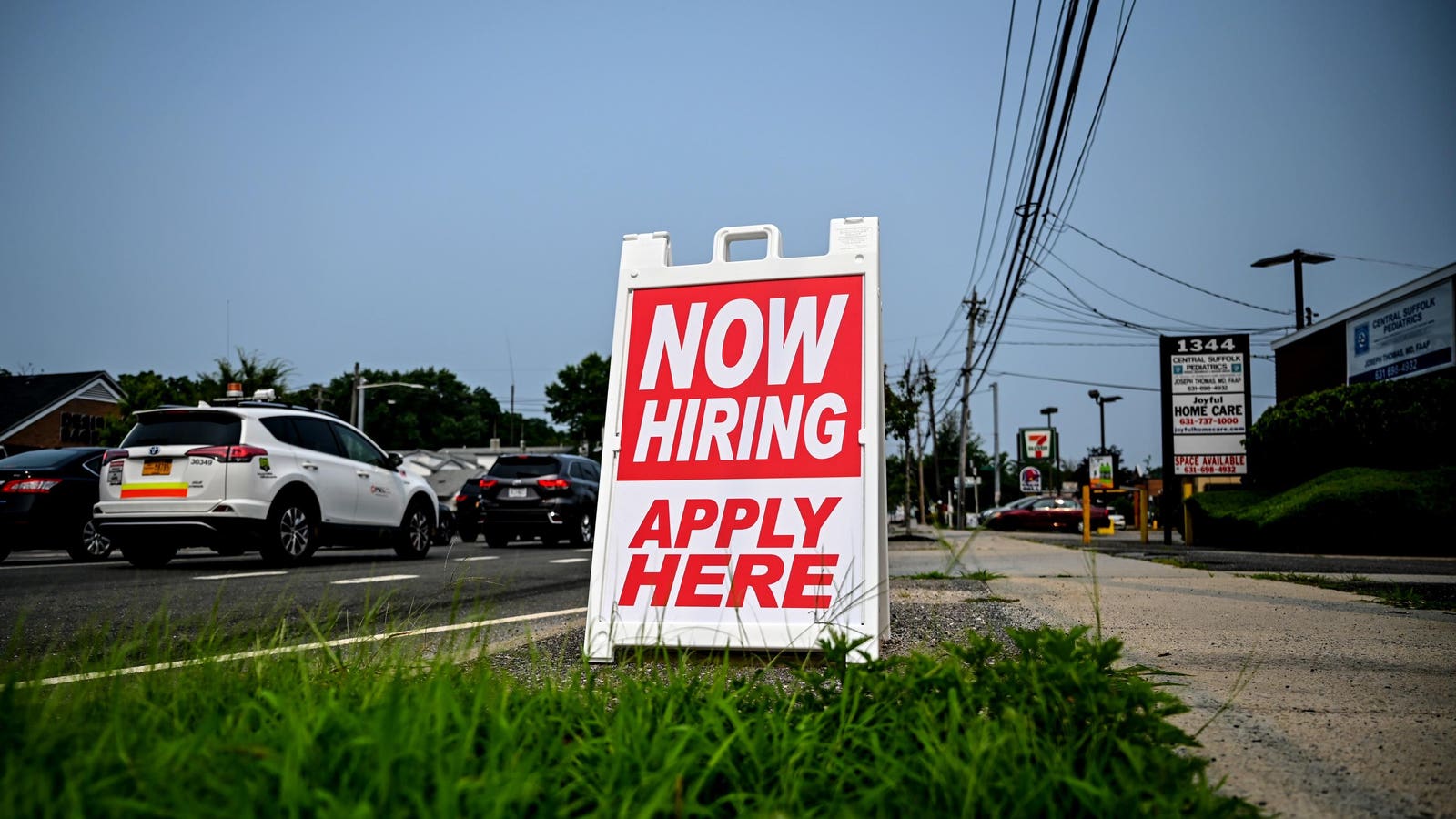
While fast-growing cities like Raleigh and Nashville boast thriving job markets and high earnings, other major U.S. cities are struggling with low employment and declining wages.
Checkr ranked the 100 largest U.S. cities based on employment opportunity and earning potential, using data from the Bureau of Labor Statistics, the US Census Bureau, and the Bureau of Economic Analysis.
Each city’s employment opportunity score is based on its unemployment rate, labor force growth, labor force size and percentage of jobs open. The earning potential score is sourced from the city’s real per capita personal income, 10-year income growth and the percentage of households earning more than $200,000.
According to Sam Radbil, research and content strategist at Checkr, the lowest-ranked cities on the list face a variety of economic challenges, including slow job growth, overreliance on declining industries, low median wages and high unemployment and poverty rates.
Though some of these cities may offer a more affordable cost of living, they often suffer from “stagnant” employment and draw in few new businesses, he says.