A version of this article first appeared in the CNBC Property Play newsletter with Diana Olick. Property Play covers new and evolving opportunities for the real estate investor, from individuals to venture capitalists, private equity funds, family offices, institutional investors and large public companies. Sign up to receive future editions, straight to your inbox.
Most people think of Energy Star as the little blue sticker on their appliances that tells them they will see some measure of energy-efficiency savings on their utility bills. But Energy Star, a public-private partnership administered by the U.S. Environmental Protection Agency, is a lot more than that. Now it is reportedly on the chopping block as part of massive budget cuts proposed by the Trump administration.
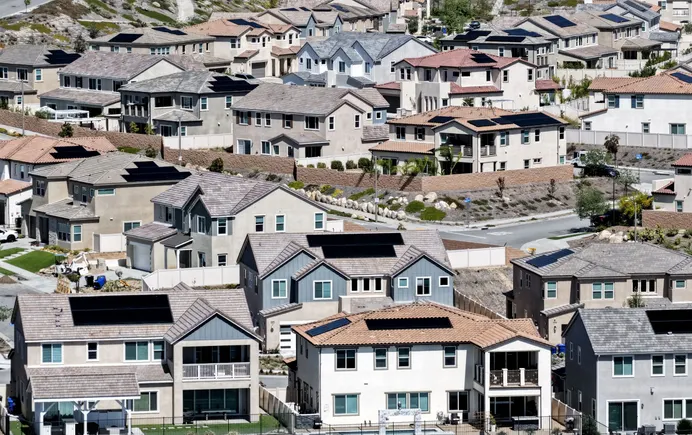
Roughly 2,500 builders, developers and manufactured housing firms participate in the Energy Star Residential New Construction program, which sets strict energy-efficiency guidelines required to earn its designation. Last year, more than 8,800 commercial buildings earned the Energy Star, saving more than $2.2 billion and preventing more than 5.7 million metric tons of emissions, according to the Energy Star website.