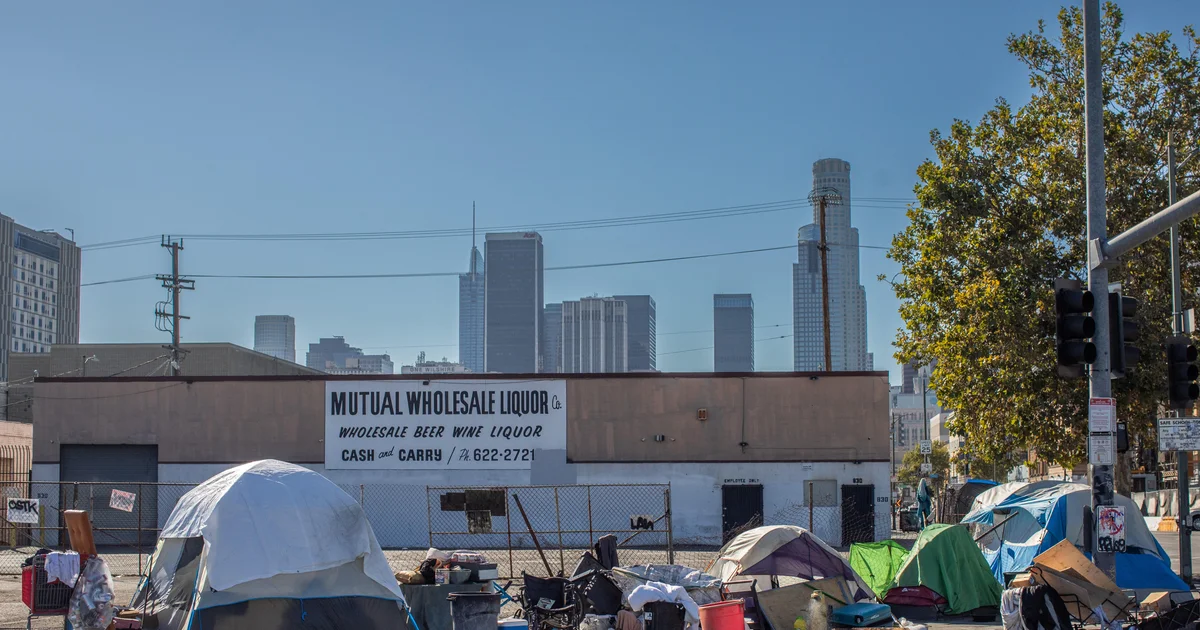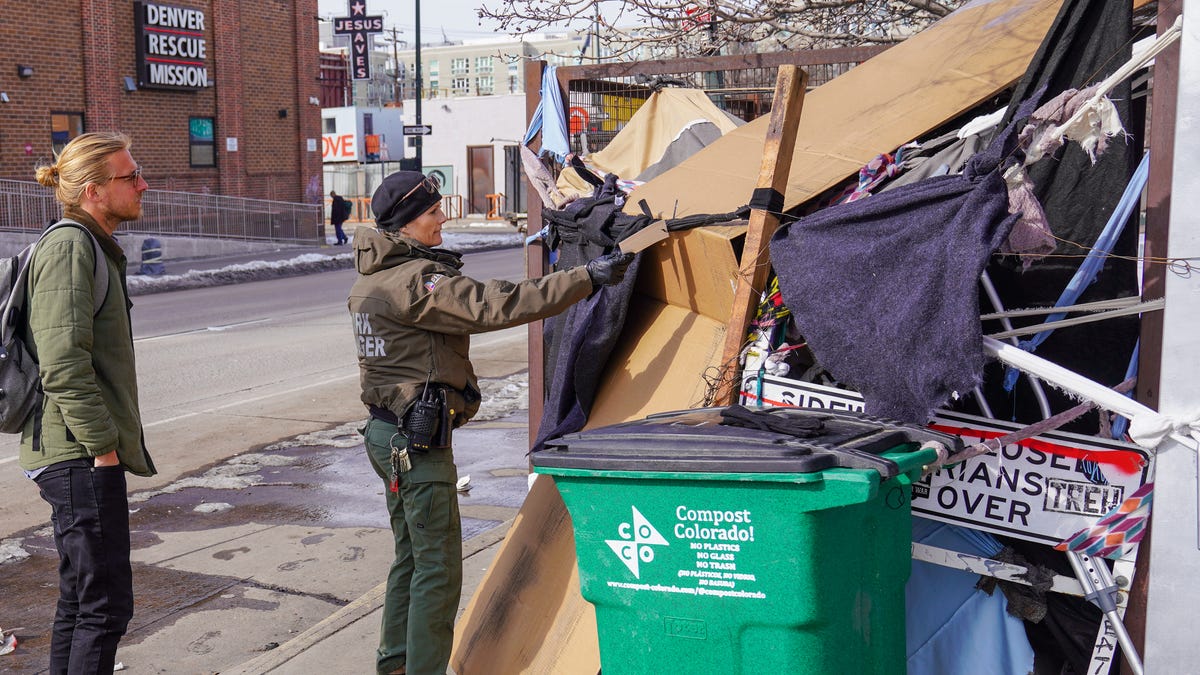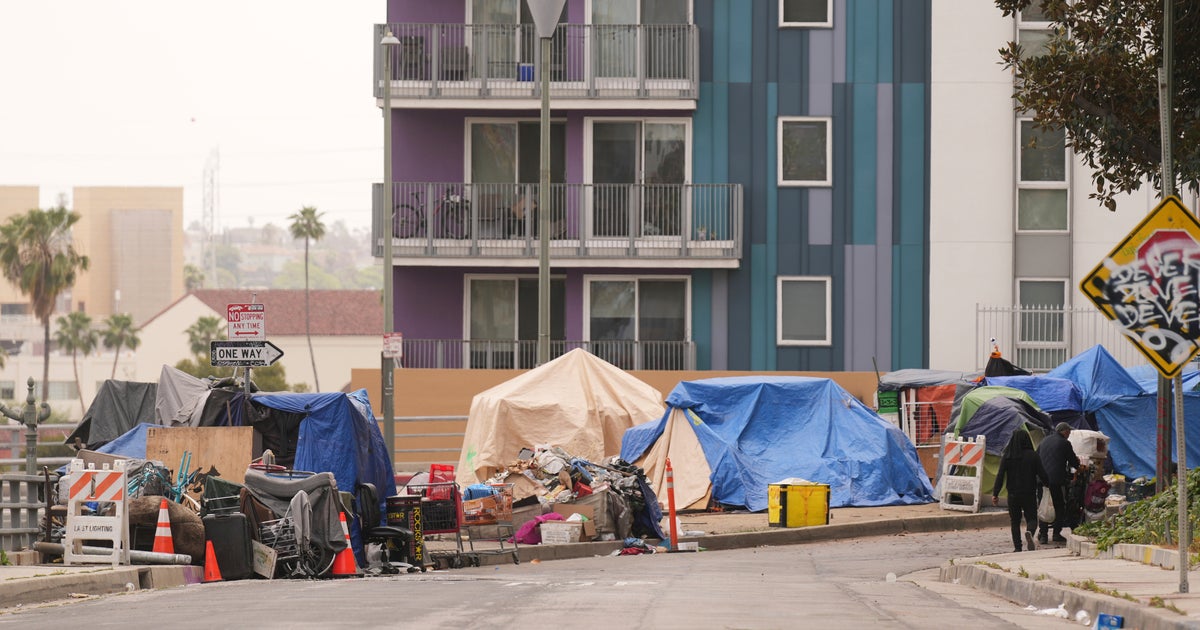
Under President Trump, the country is experiencing an increase in cruel policy decisions that impact vulnerable people — from the slashing of Medicaid dollars to the recent civil commitment executive order that claims to be focused on treatment, but that experts say will further criminalize poverty and homelessness.
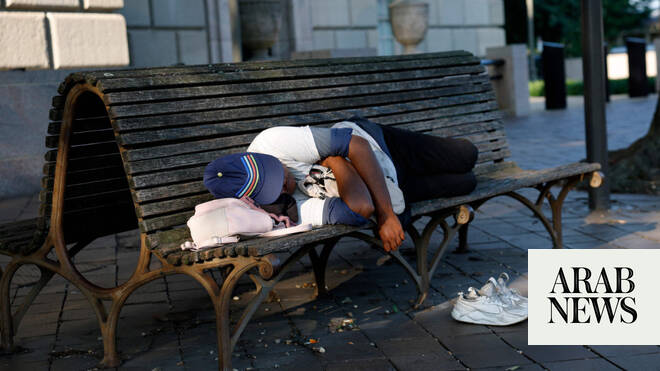
As a provider who works with the unhoused, I am experienced with how difficult it already is for this marginalized community to access things like housing, hospitals and drug treatment beds. I am constantly forced to watch people suffer harm from systemic neglect, abuse, erasure and silencing. Making the complex ethical decisions around care that my work requires on a daily basis can feel impossible when there is little I can do to address these issues.
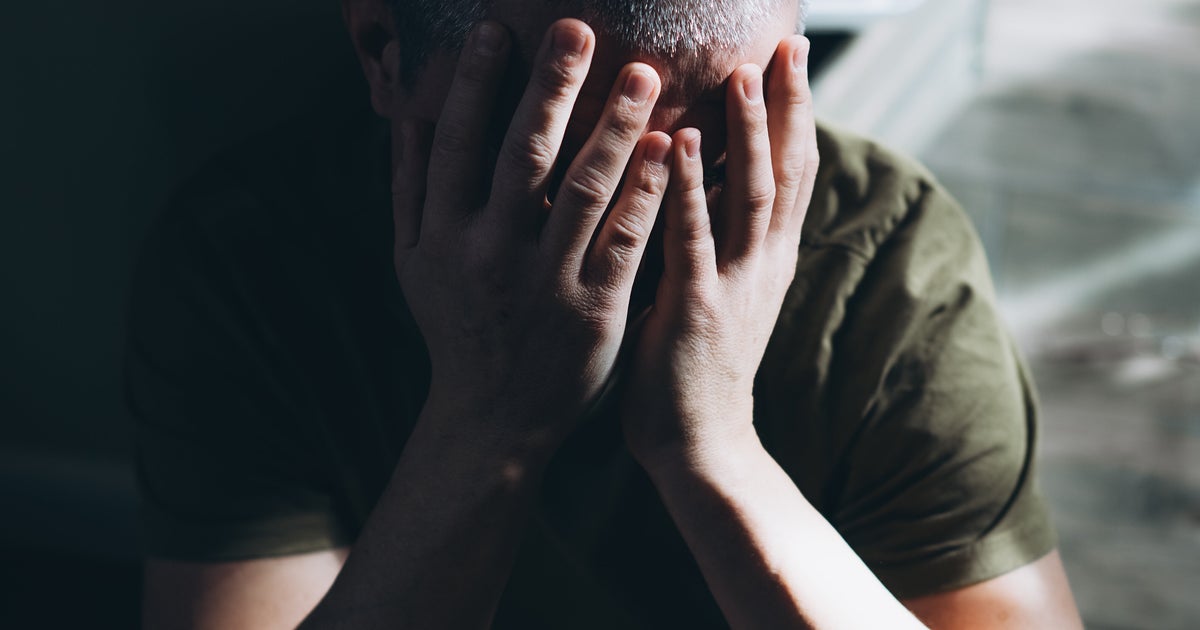
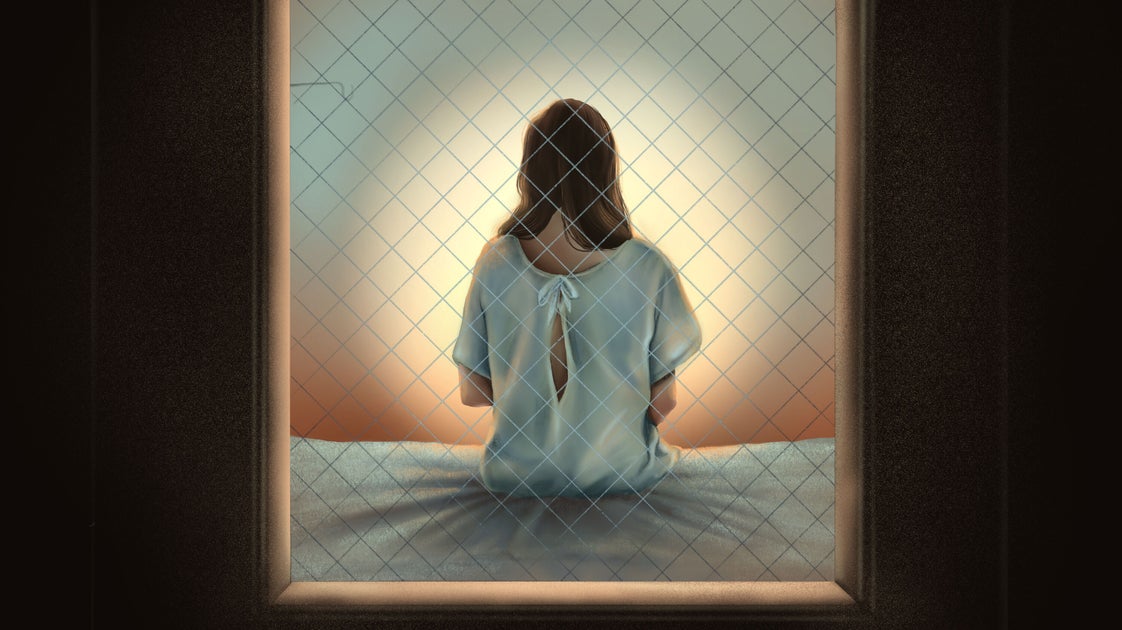
Bumping up against barriers to care can lead to what those working in public health spaces call moral injury, a little-diagnosed condition that not only veterans and health care workers experience, but anyone who engages with systems tasked with providing care that do not align with the reality of neglect under capitalism.
New 2025 research identifies moral injury as “Persistent distress that arises from a personal experience that disrupts or threatens: (a) one’s sense of the goodness of oneself, of others, of institutions, or of what are understood to be higher powers, or (b) one’s beliefs or intuitions about right and wrong, or good and evil.”