Even if we don’t develop long sticky tongues and a taste for termites, we can still learn a lot from these remarkable creatures
W
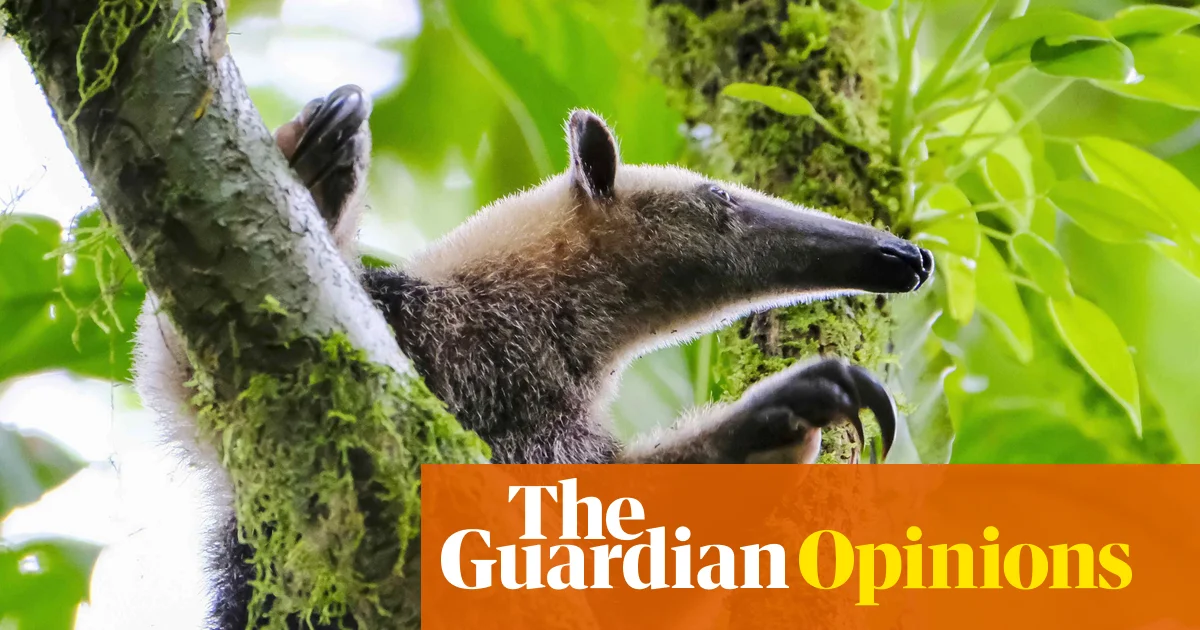
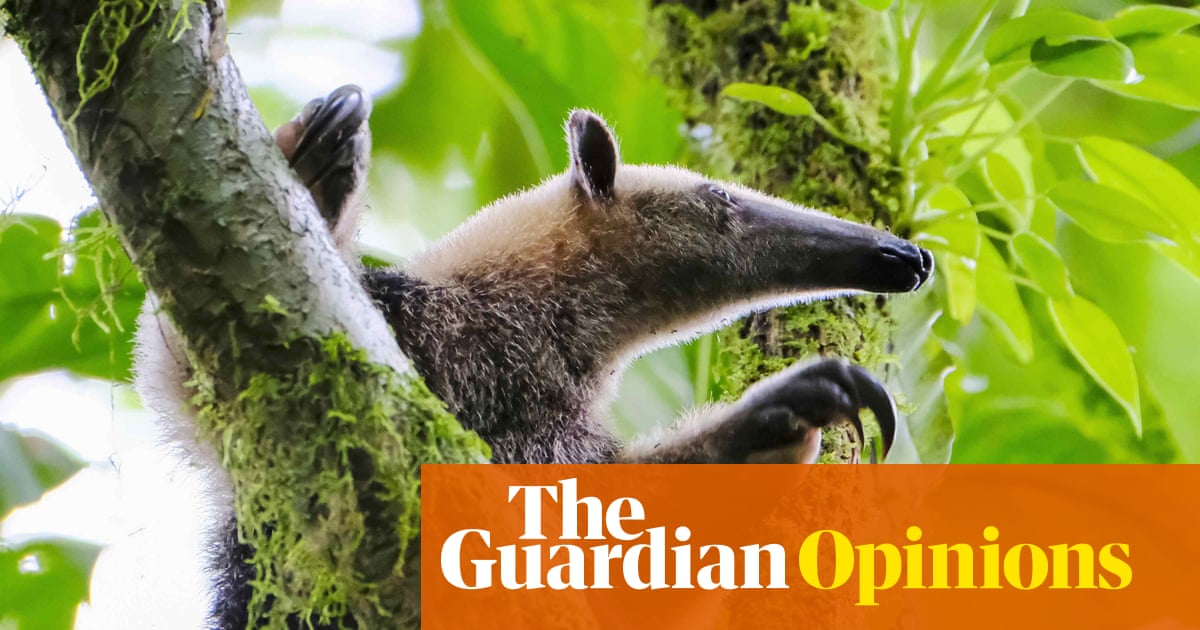
ho doesn’t love an anteater? I mean, apart from ants, obviously. With their long snouts and even longer sticky tongues, they trundle around, slurping up insects like milkshakes. They have handsome, bushy tails, which they wrap around themselves at night like a blanket. And they’re excellent parents. Giant anteater mothers allow their young to cling to their backs, rucksack-style, for periods of up to a year.
Indeed, the surrealist artist Salvador Dalí was so taken with the giant anteater that he once took one for a walk through the streets of Paris. And before you ask, no, this wasn’t a cheese dream. There is photographic evidence.
As if that weren’t enough, a recent study published in the journal Evolution has found that mammals have evolved into anteaters not once, not twice, but 12 times since the demise of the dinosaurs some 66m years ago. Anteaters, it seems, are a recurring trend. The finding prompted the study’s lead author, Thomas Vida from the University of Bonn, to tell Science magazine: “Things keep evolving into anteaters, somehow.” Which raises the question: will humans one day follow suit?