It’s the first such models it’s launched in over five years, as pressure in the US grows to respond to China’s dominance in open models.
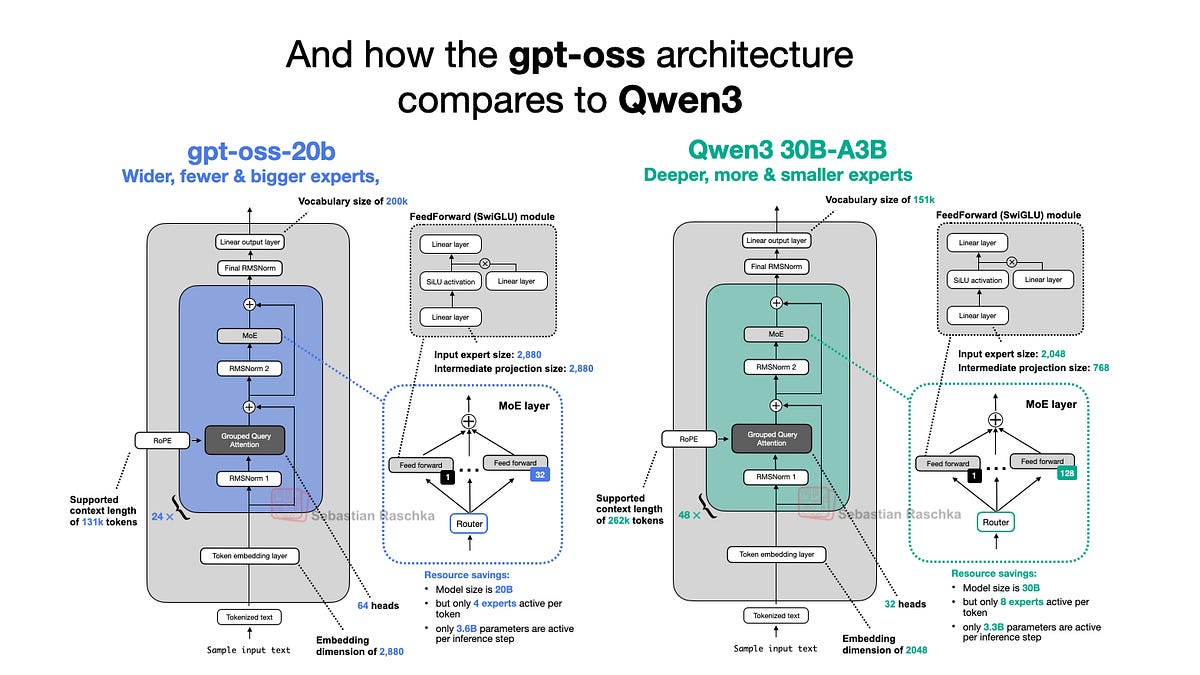
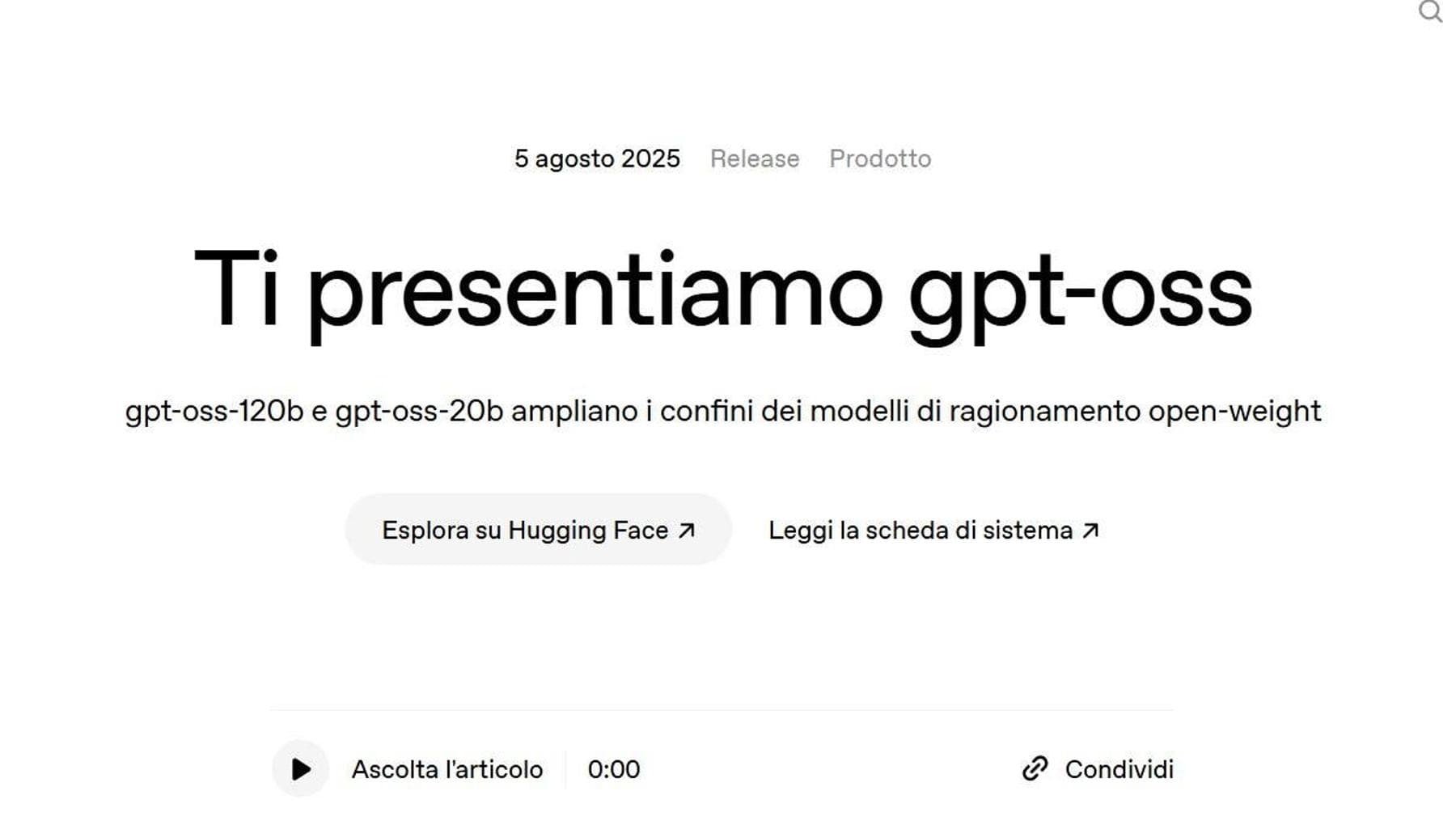
OpenAI has finally released its first open-weight large language models since 2019’s GPT-2. These new “gpt-oss” models are available in two different sizes and score similarly to the company’s o3-mini and o4-mini models on several benchmarks. Unlike the models available through OpenAI’s web interface, these new open models can be freely downloaded, run, and even modified on laptops and other local devices.
In the company’s many years without an open LLM release, some users have taken to referring to it with the pejorative “ClosedAI.” That sense of frustration had escalated in the past few months as these long-awaited models were delayed twice—first in June and then in July. With their release, however, OpenAI is reestablishing itself as a presence for users of open models.
That’s particularly notable at a time when Meta, which had previously dominated the American open-model landscape with its Llama models, may be reorienting toward closed releases—and when Chinese open models, such as DeepSeek’s offerings, Kimi K2, and Alibaba’s Qwen series, are becoming more popular than their American competitors.