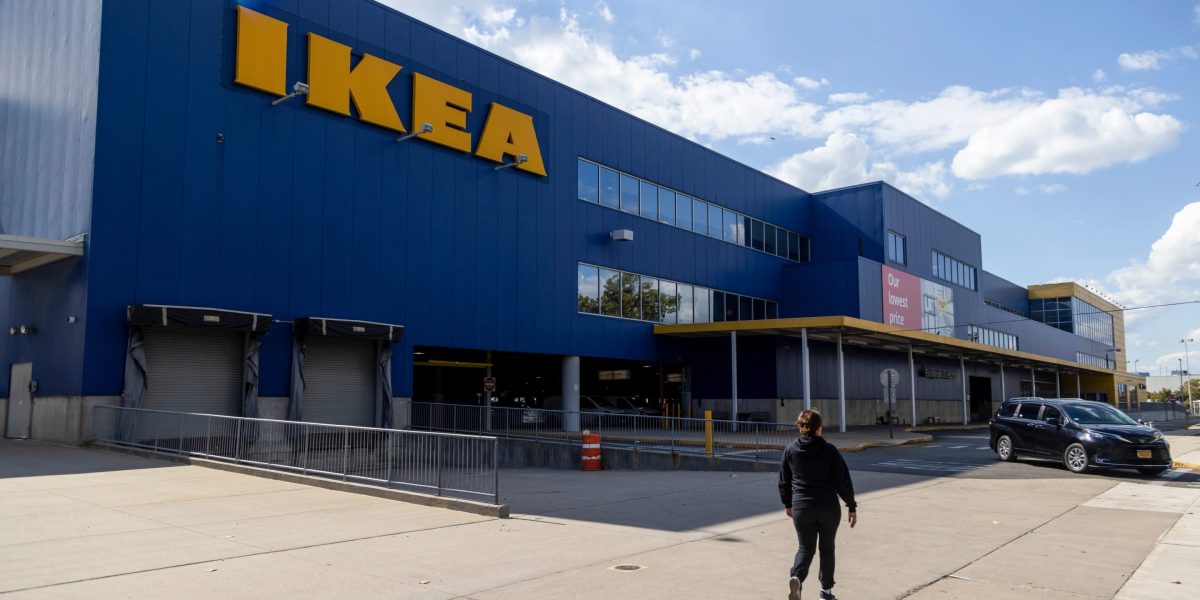
Swedish megabrand Ikea’s affordable self-assembly furniture has made Scandi style the go-to look for homes, hotels and Airbnbs all over Europe. More than 30 million of its ubiquitous Poang armchairs, for example—curious-but-memorable names also being an Ikea speciality)—have been sold since launch in 1977, making it one of the most popular furniture products ever.
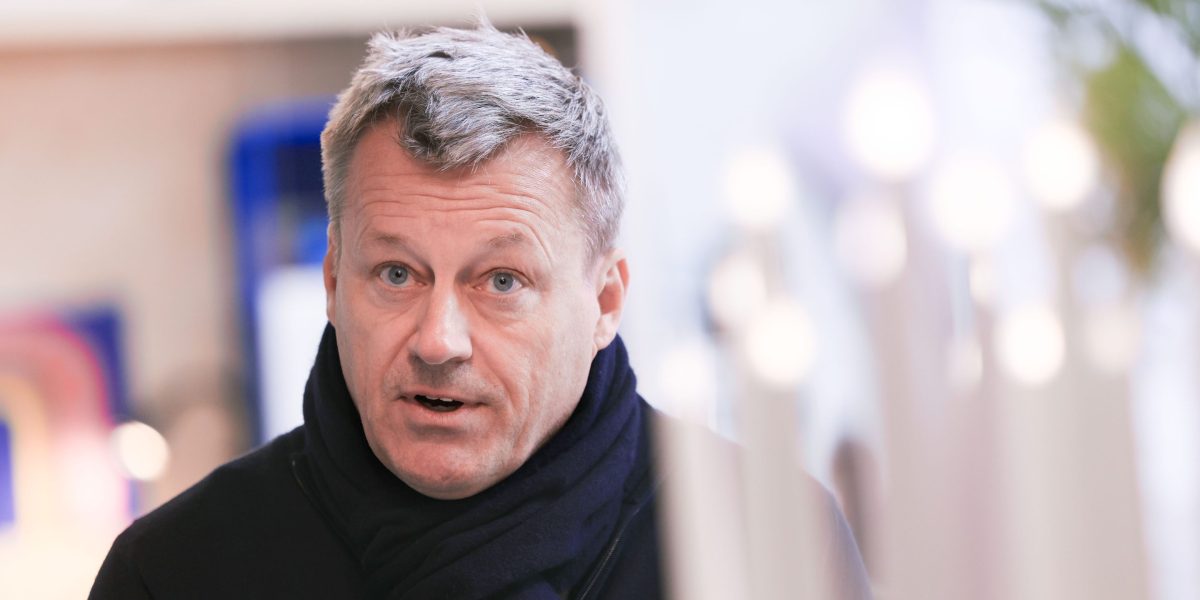
But the company has another, less well-known claim to fame. Since 2009 it has invested over €4.2 billion ($4.9 billion) in renewable energy, which now provides 75% of the electricity used by the business to make, transport and retail all that furniture. “Today, it turns out that we are also a mid-sized utility company, although to be honest that was not part of the strategy,” deadpans Jesper Brodin, CEO of Ingka (the largest Ikea franchisee, responsible for 90% of group sales).
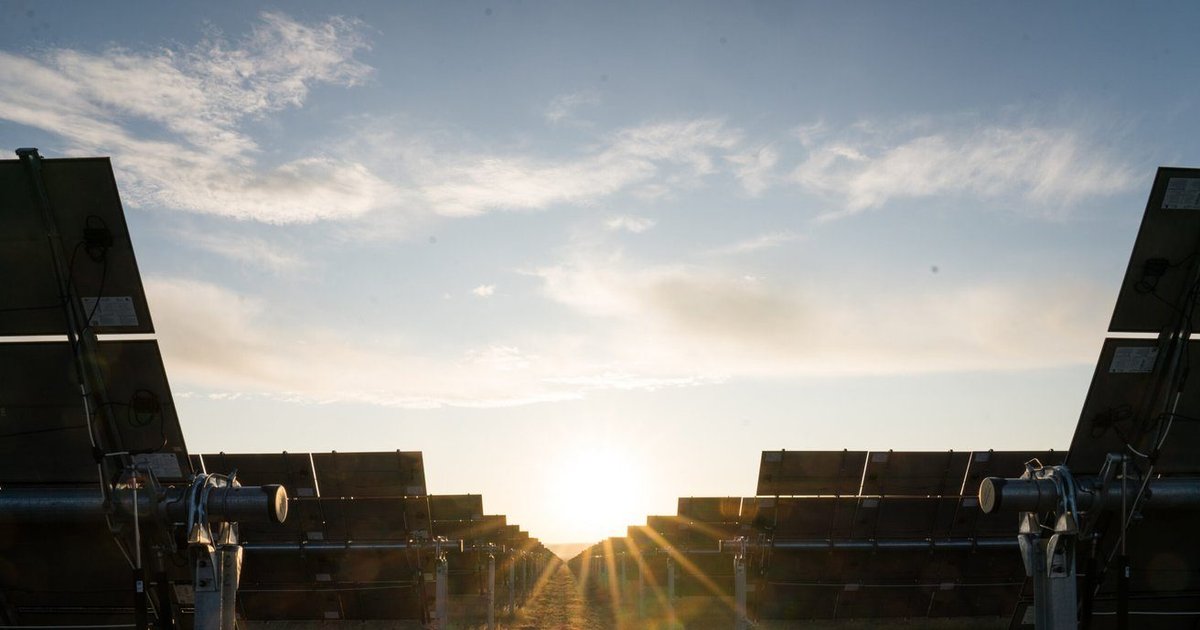
It’s only half a joke: if their output was sold on the power market, the 49 wind farms and 26 solar parks owned by Ingka do produce enough low carbon electricity to meet the needs of 1.47 million EU households.
The investment has certainly paid off in carbon terms. The firm’s CO2 emissions—scope 1,2 and 3—are down 30% since the Paris Agreement of 2015, while sales have grown by 24% over the same period. Yet what started out as a desire to do the right thing for the planet and the brand (68% of Ikea customers think that climate change is the most serious global challenge, says Brodin) has morphed into an unexpected source of competitive advantage.