The story so far:
A
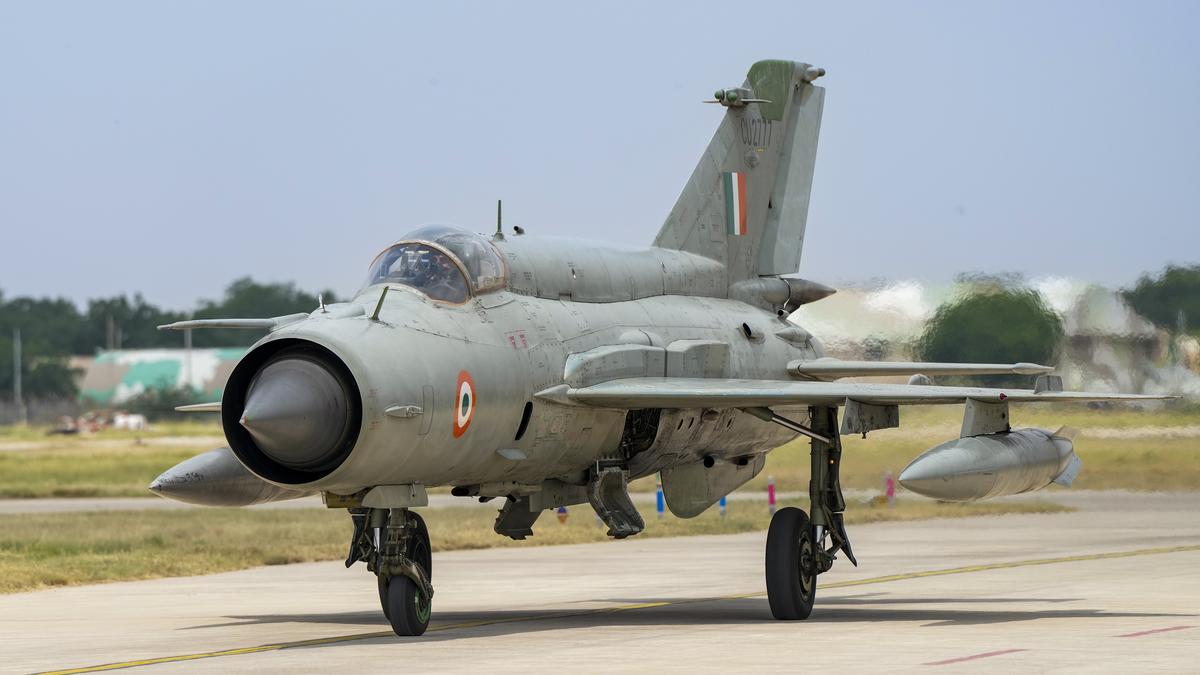
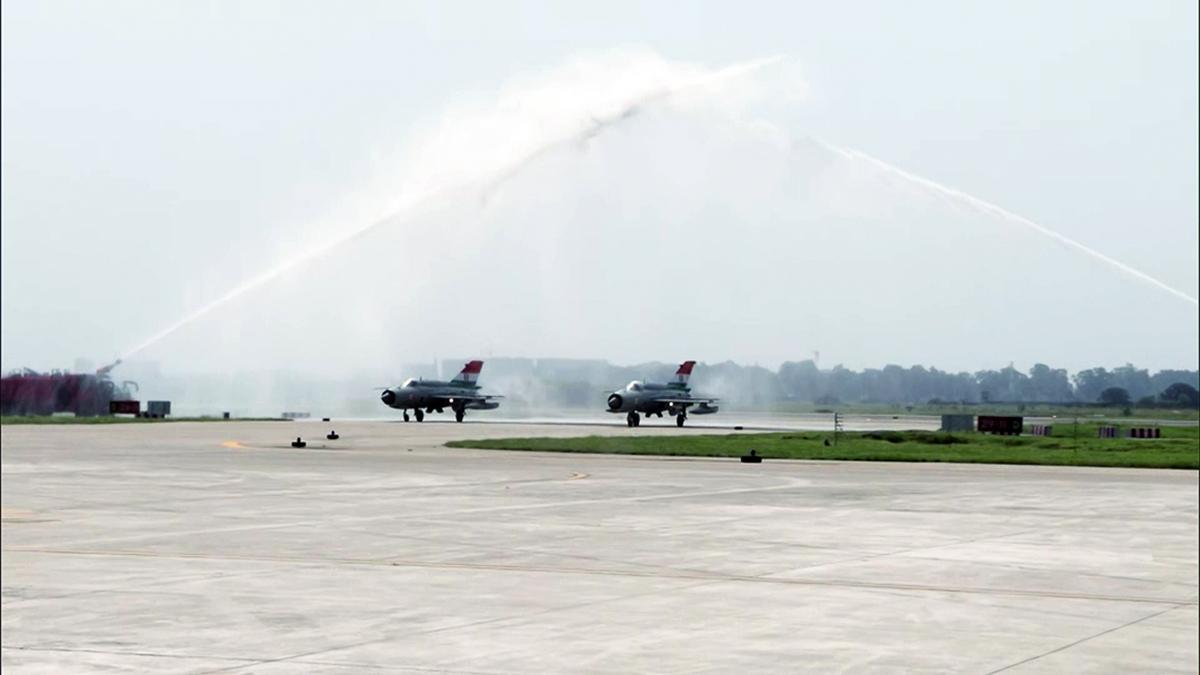
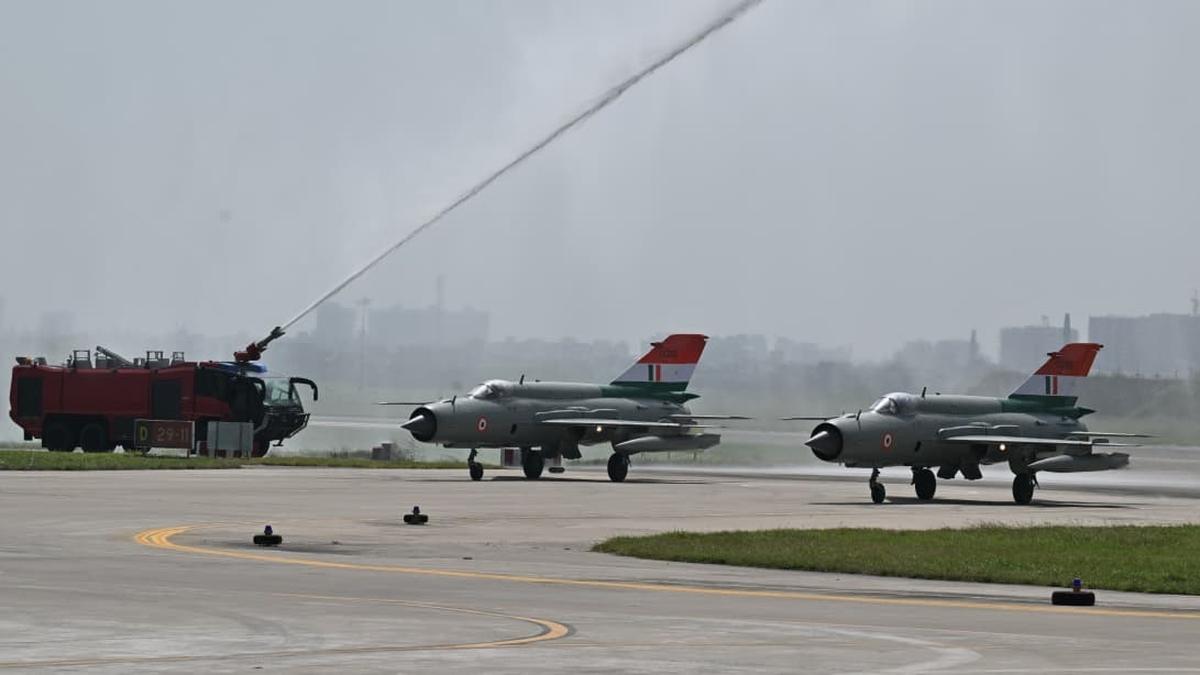
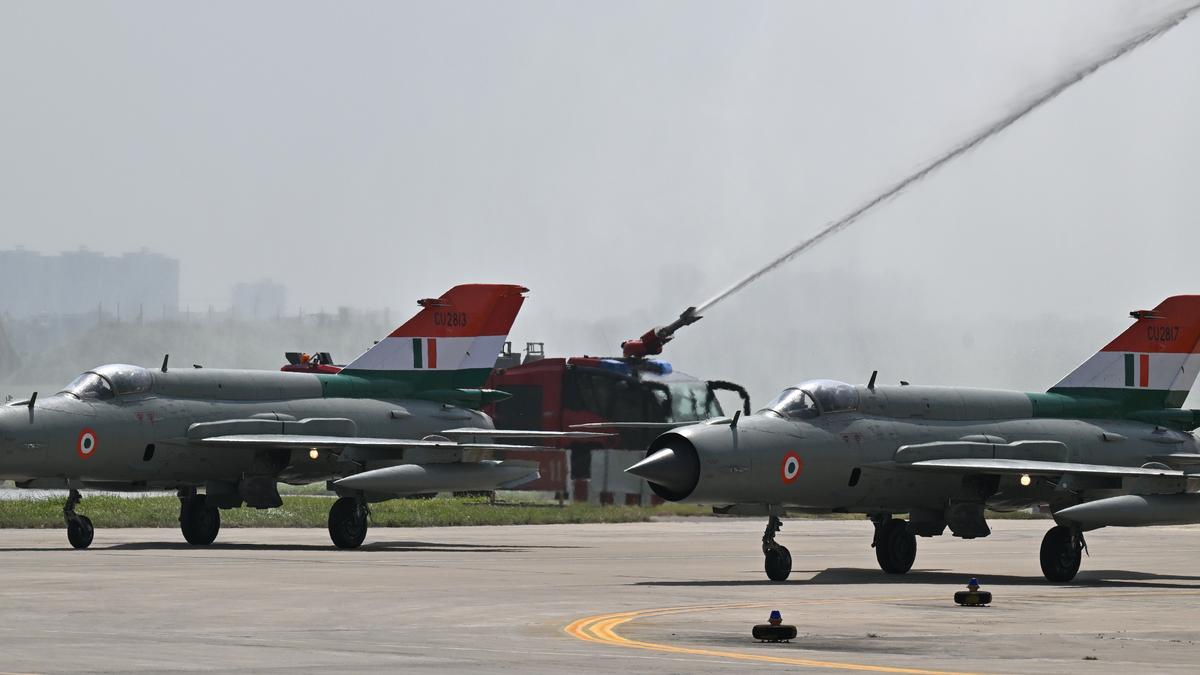
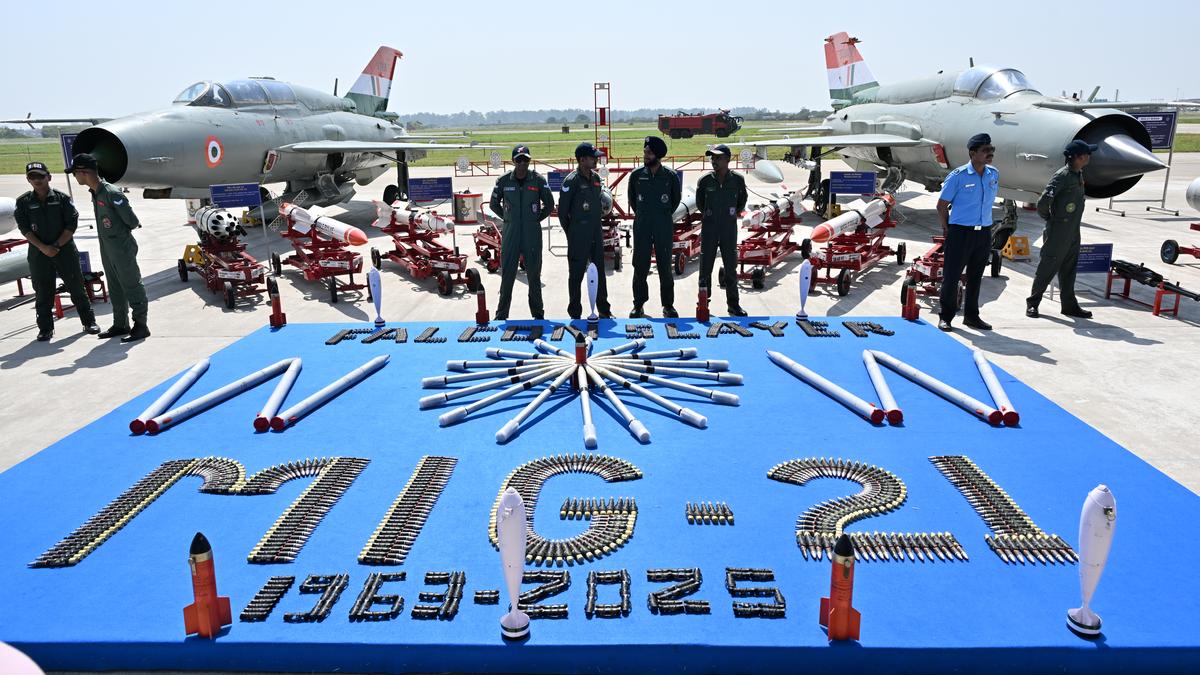
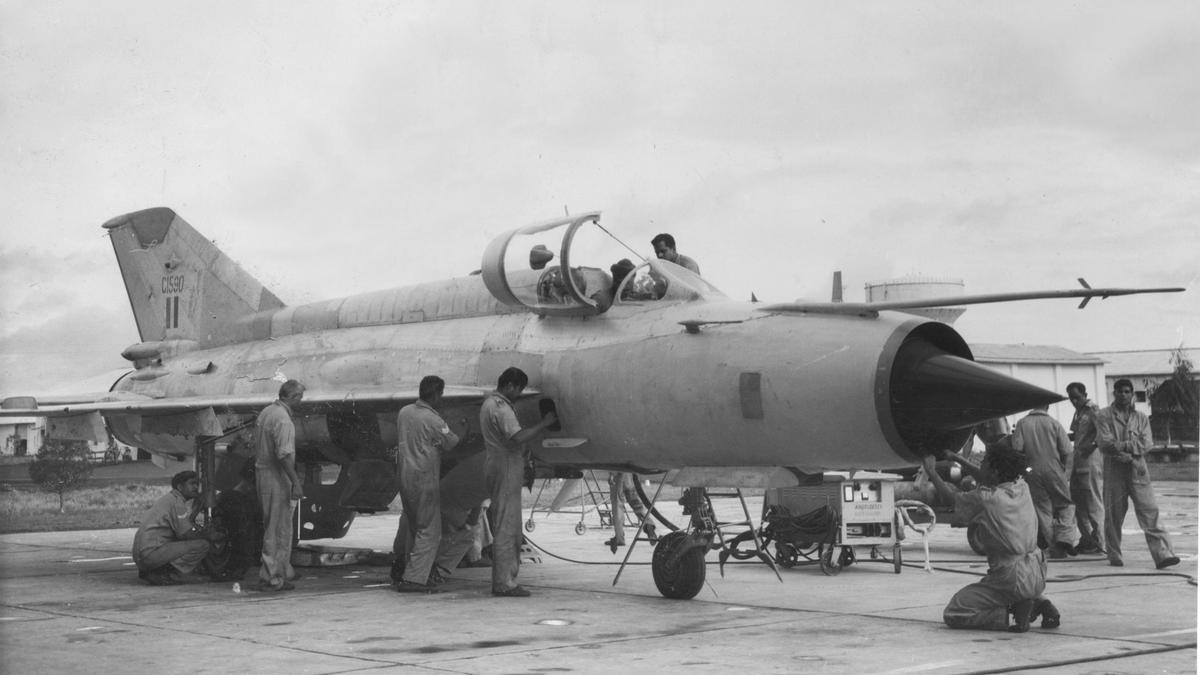
fter over six decades in service, the MiG-21 fighter jets are set to be retired from the Indian Air Force (IAF) in September this year. The formal ceremony is scheduled to be held at Chandigarh where the jets were first inducted in 1963. With this the fighter strength of the IAF will dip from 31 to 29 squadrons, against the sanctioned strength of 42 squadrons. A fighter squadron typically has 16-18 jets. The IAF is awaiting deliveries of the Light Combat Aircraft (LCA)-Mk1A, which is expected to begin in the next few months after repeated delays. All this at a time when the Chinese Air Force and Navy have fielded around 1,900 fighters including more than 1,300 fourth-generation aircraft, not including trainers, as per a 2024 U.S. Department of Defence report. China has also deployed two Fifth Generation Fighter Aircraft (FGFA), recently unveiled two more advanced jets, and is likely to supply 40 J-35s stealth jets to Pakistan.
What has been the legacy of MiG-21s?
Contracted from the erstwhile Soviet Union after the 1962 war with China, the MiG-21s heralded the onset of supersonic aviation in the IAF and was also its first non-western fighter. A total of 872 MiG-21 aircraft have been inducted in the IAF, a bulk of them licence-manufactured by the state-owned Hindustan Aeronautics Limited (HAL). The MiG-21s remained the mainstay of the IAF for several decades and a spate of accidents in the early 2000s earned them the name ‘flying coffins’. Over the six decades, there were over 450 accidents involving the jet.