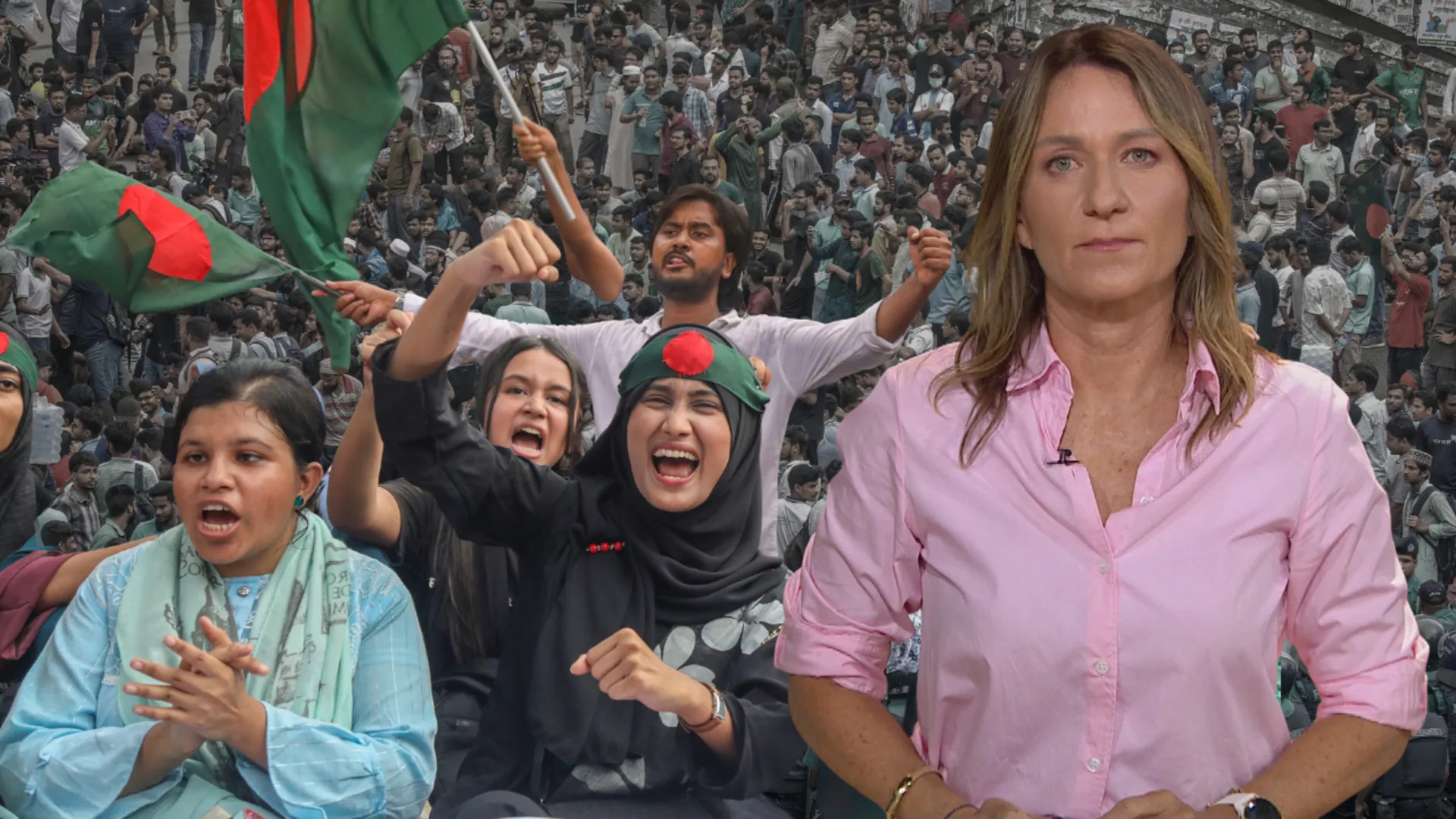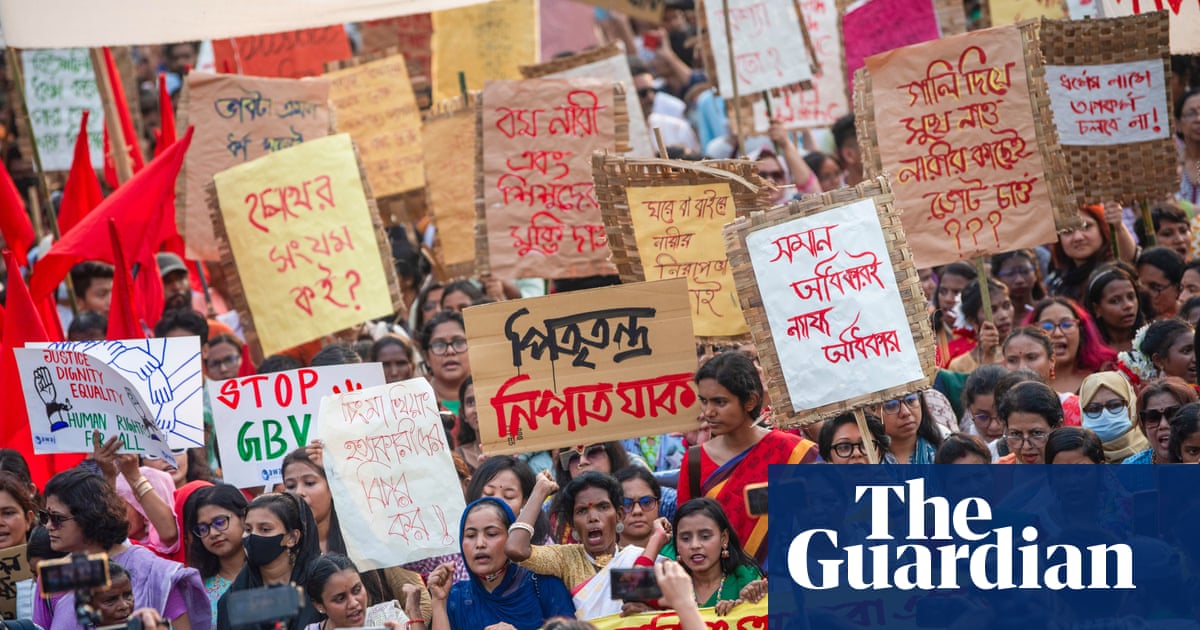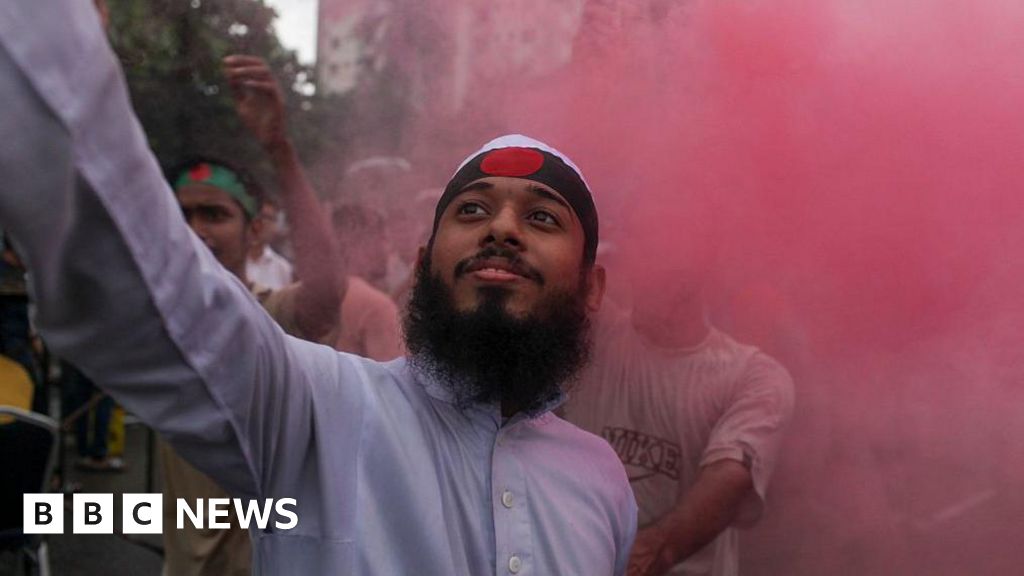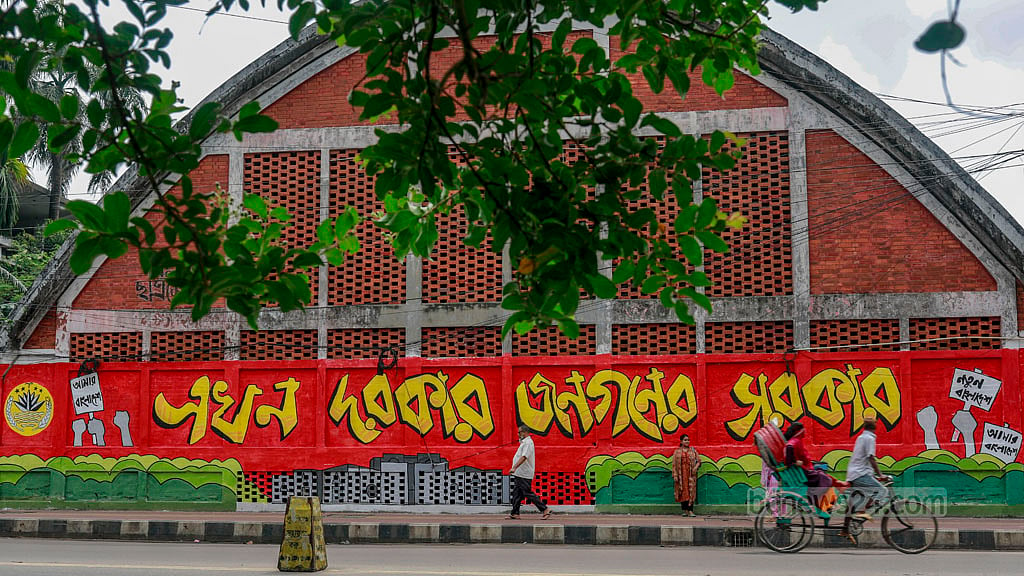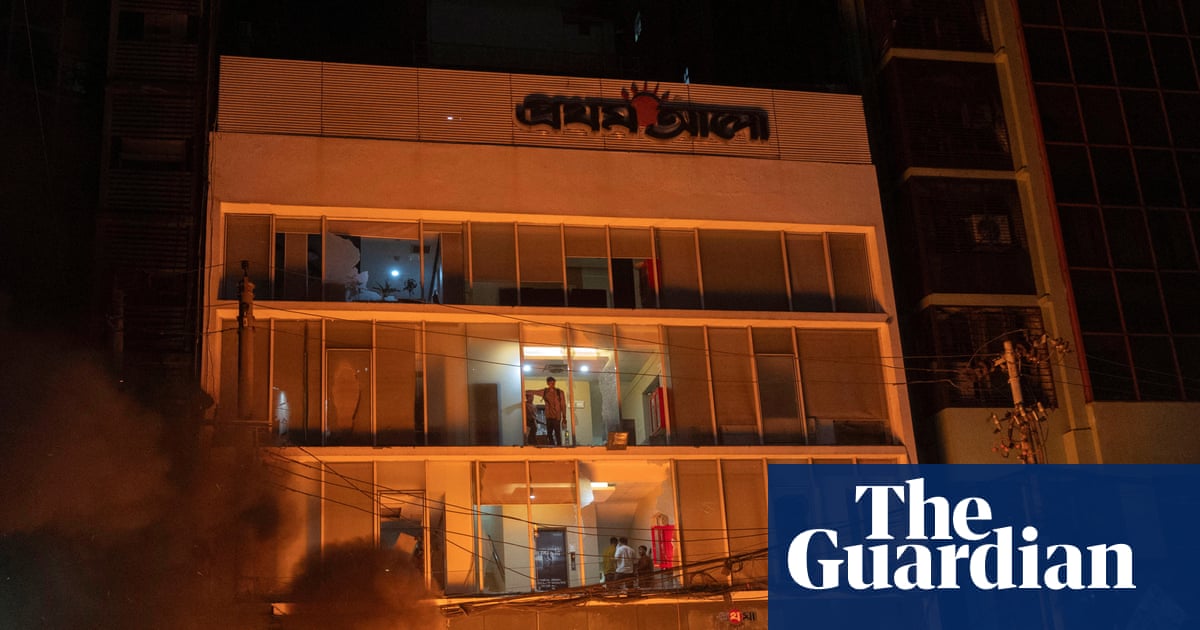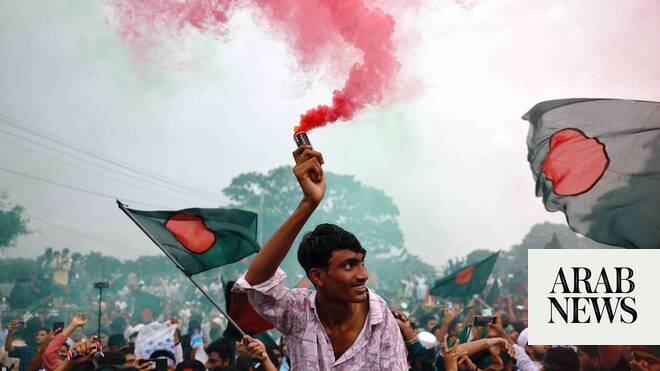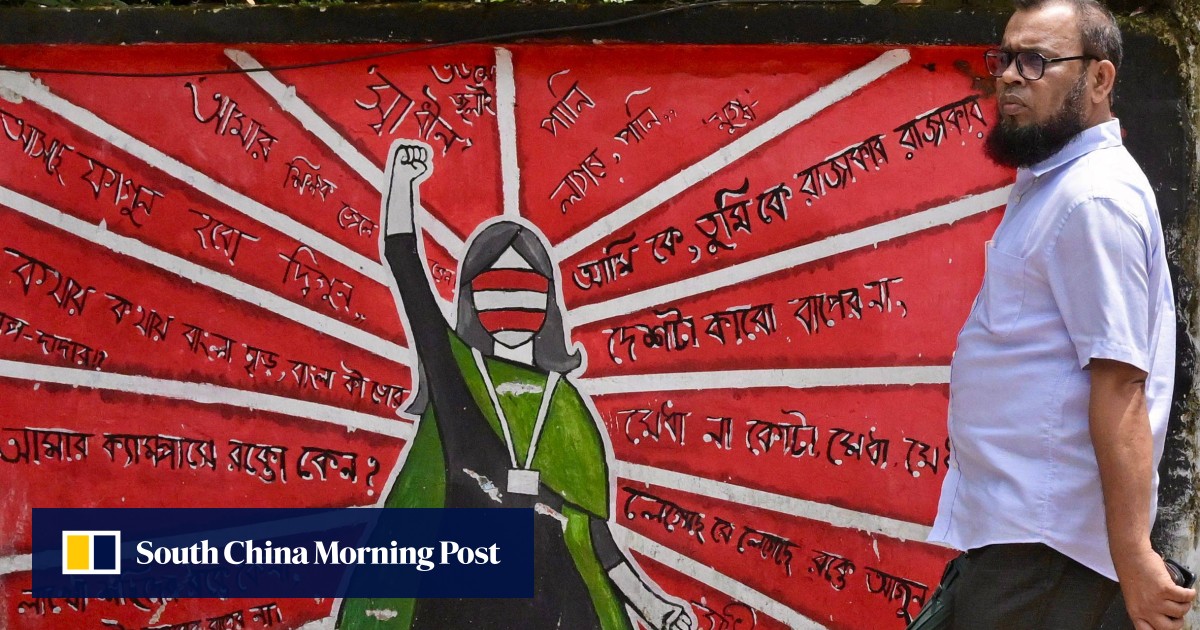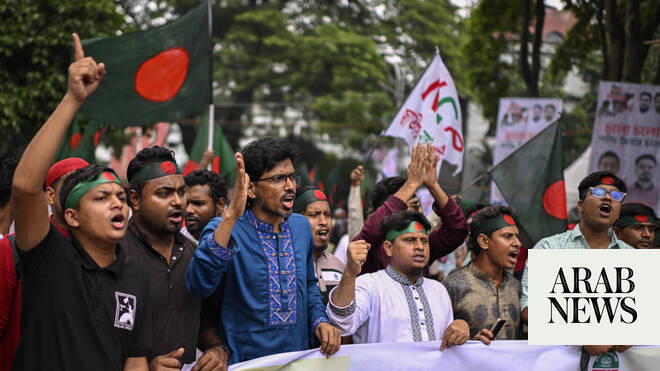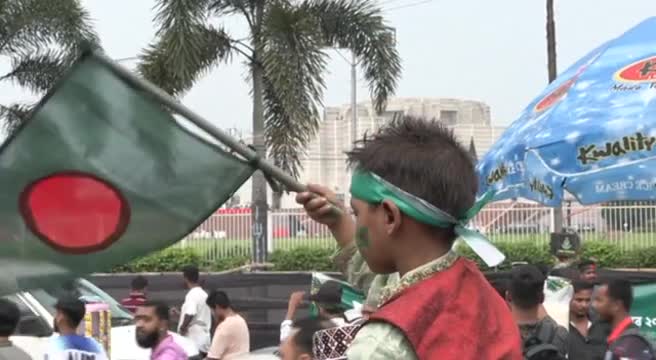
Protesters hoped for ‘real change’ after 15 years of undemocratic governance, but instability looms as political groups jostle for power and promises of reforms falter.
Save articles to read later and create your own reading list.
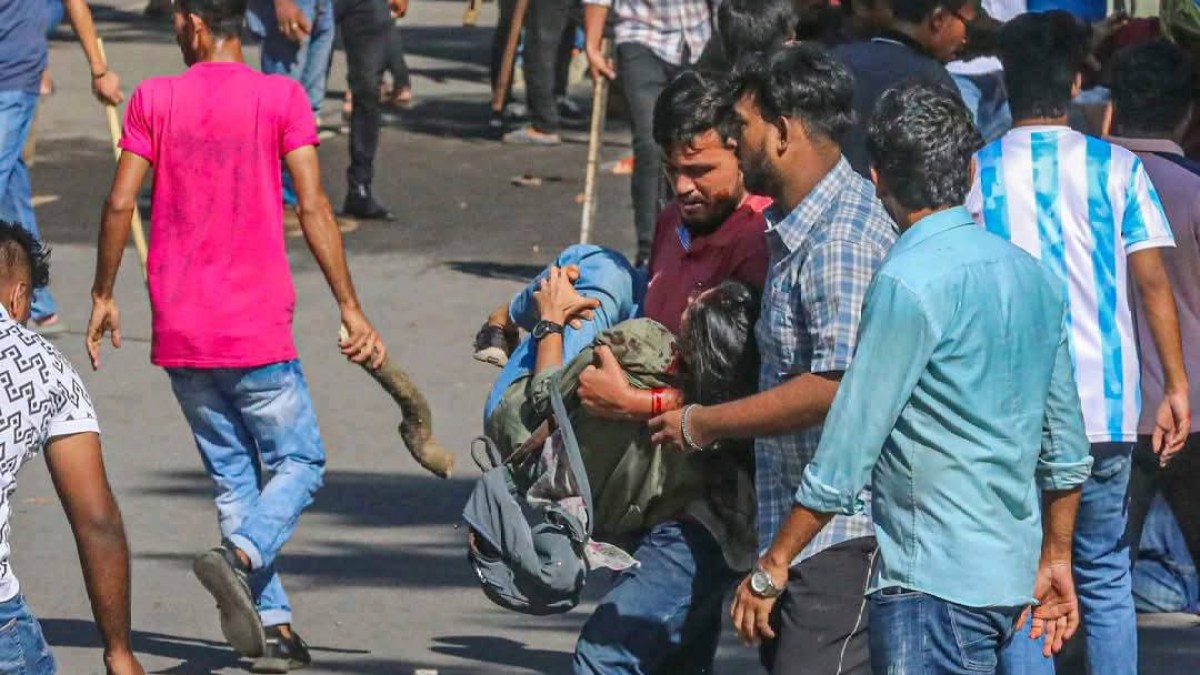
Dhaka, Bangladesh – Sinthia Mehrin Sokal remembers the blow to her head on July 15 last year when she, along with thousands of fellow students, marched during a protest against a controversial quota system in government jobs in Bangladesh’s capital, Dhaka.
The attack by an activist belonging to the student wing of the then-Prime Minister Sheikh Hasina’s Awami League party left Sokal – a final-year student of criminology at the University of Dhaka – with 10 stitches and temporary memory loss.
A day later, Abu Sayed, another 23-year-old student, was protesting at Begum Rokeya University in the Rangpur district, about 300km (186 miles) north of Dhaka, when he was shot by the police. A video of him, with his arms outstretched and collapsing on the ground moments later, went viral, igniting an unprecedented movement against Hasina, who governed the country with an iron fist for more than 15 years before she was toppled last August.