Demolition of 48 cliffside establishments at Bingin beach marks flashpoint in the struggle between mass tourism and desire to retain Indonesian island’s ‘magic’
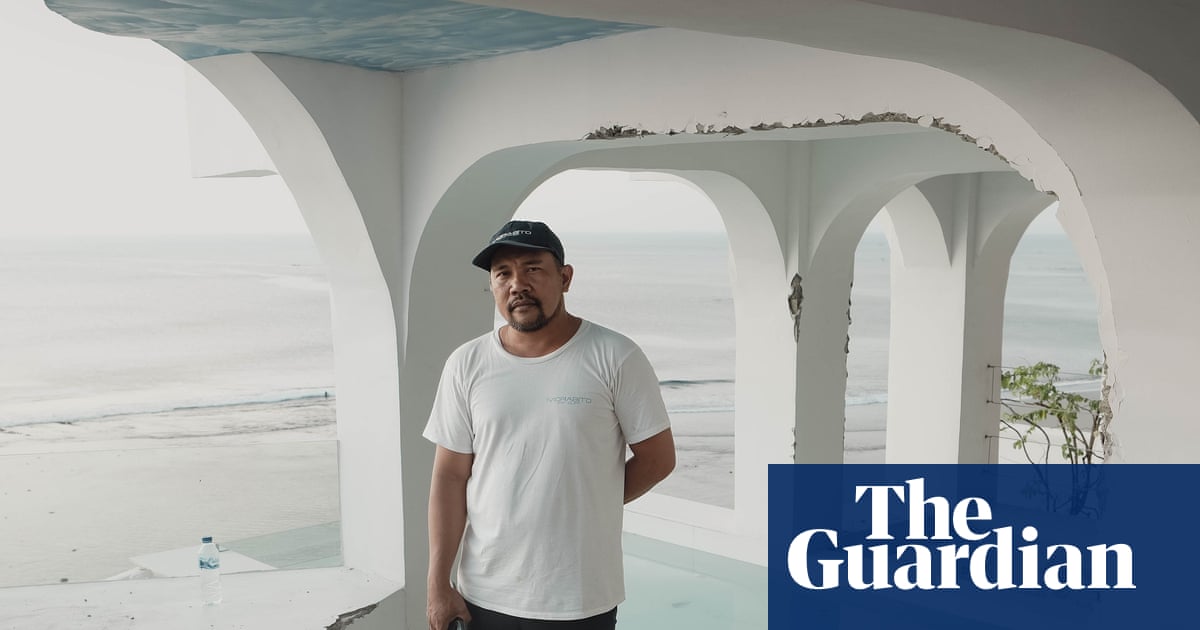
“I can’t believe this is happening,” said Komang Agus, looking on in despair at his workplace of 16 years in the Bali tourist hotspot of Bingin, lying in fresh ruins.
“I have a wife, three sons, my father is sick and in the hospital, how am I going to support them?” the manager of Morabito Art Cliff Villa said, his voice cracking and tears welling in his eyes. “We understand the laws and the need for regulation, but why only here?”
Agus spoke to the Guardian shortly after the government embarked on a sweeping crackdown on alleged illegal coastal developments on Indonesia’s most popular tourist island. The demolition of 48 cliffside establishments at Bingin beach – ranging from warungs (small eateries) and homestays to boutique villas and restaurants overlooking one of the world’s most revered waves – marks a flashpoint in Bali’s struggle with mass tourism, overdevelopment and the desire to retain the cultural and surfing heritage that put the island on the global tourist map in the first place.
Bingin is being cleared as part of a campaign led by the re-elected governor, Wayan Koster, to enforce zoning regulations and eliminate unregulated structures on protected government-owned land.