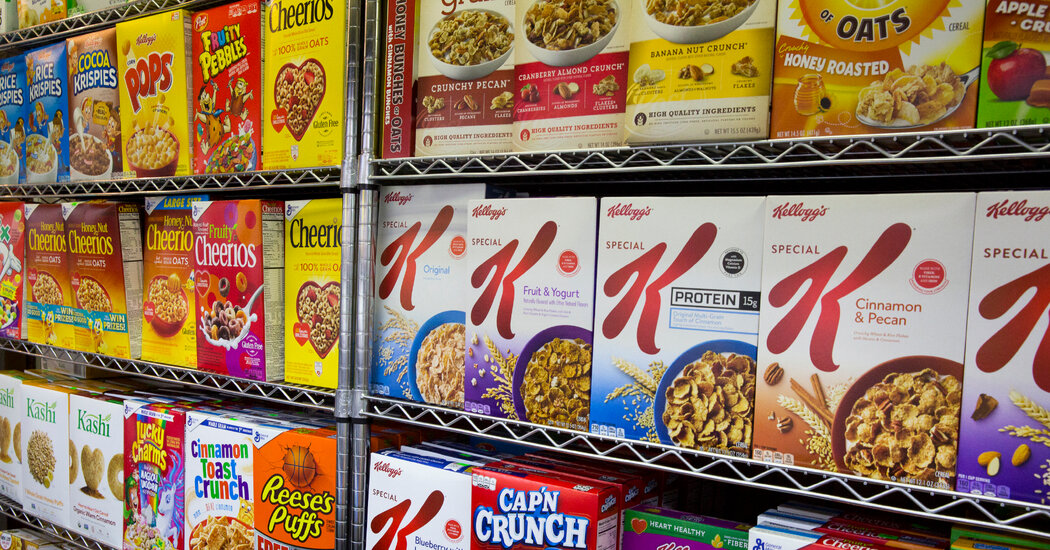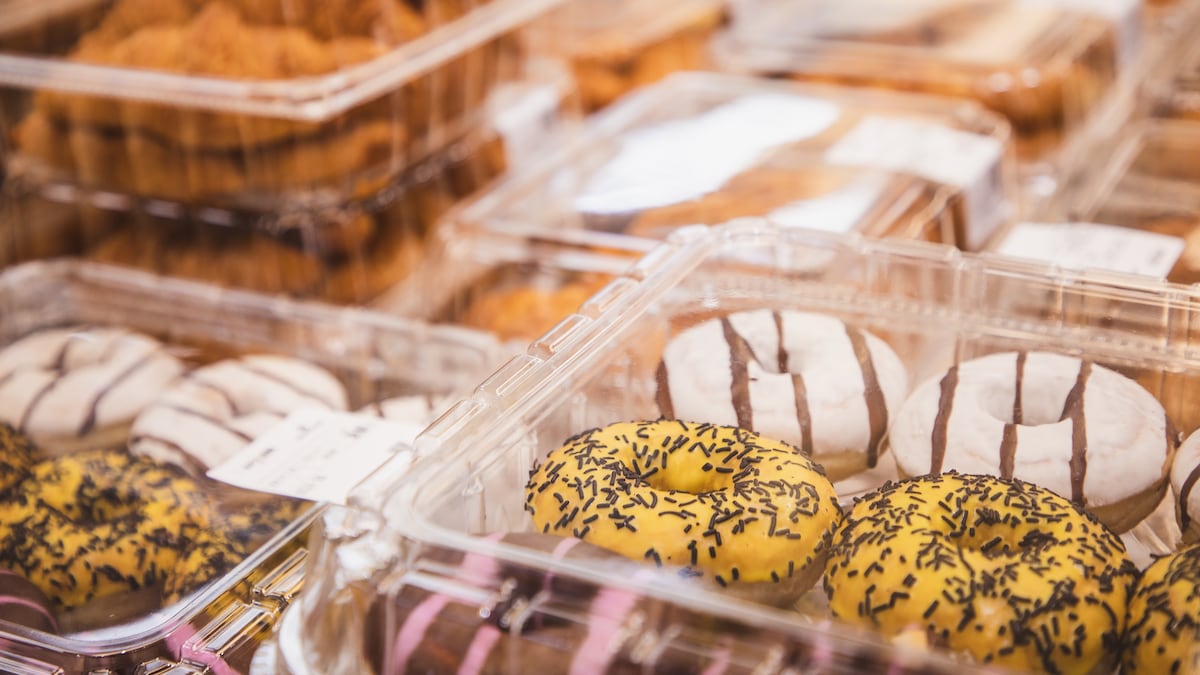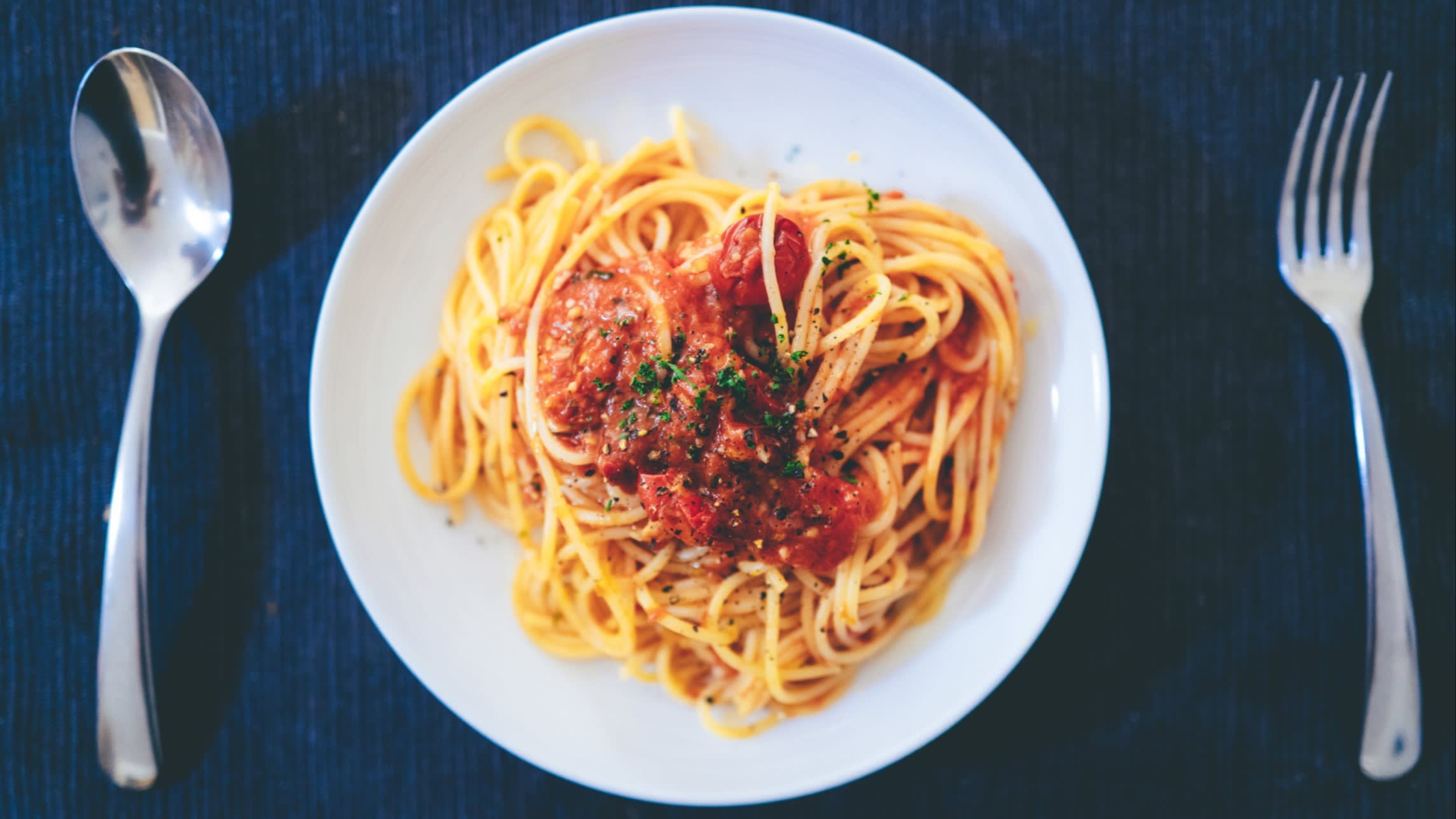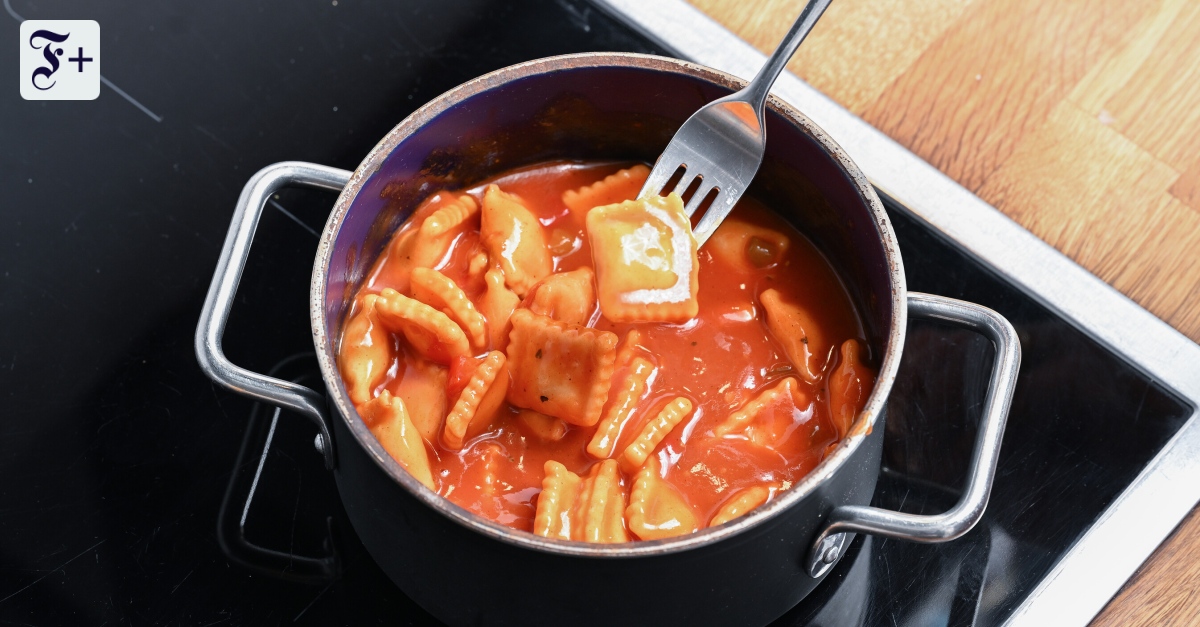
People in the United Kingdom lost twice as much weight eating meals typically made at home than they did when eating store-bought ultraprocessed food considered healthy, the latest research has found.
“This new study shows that even when an ultraprocessed diet meets nutritional guidelines, people will still lose more weight eating a minimally processed diet,” said coauthor Dr. Kevin Hall, a former senior investigator at the US National Institutes of Health who has conducted some of the world’s only controlled clinical trials on ultraprocessed foods.
“This (study) is the largest and longest randomized controlled clinical trial of ultraprocessed foods to date,” Hall added.
Hall’s past research sequestered healthy volunteers inside a clinic for a month at a time, measuring the impact of ultraprocessed food on their weight, body fat and various biomarkers of health. In a 2019 study, he found people in the United States ate about 500 calories more each day and gained weight when on an ultraprocessed diet than when eating a minimally processed diet matched by calories and nutrients.
The weight loss from minimally processed food in the new study was modest — only 2% of the person’s baseline weight, said study first author Samuel Dicken, a research fellow at the department of behavioral science and health and the Centre for Obesity Research at University College London.