WASHINGTON, Aug 4 (Reuters) - A federal appeals panel on July 31 appeared skeptical of President Donald Trump's argument that a 1977 law historically used for sanctioning enemies or freezing their assets gave him the power to impose tariffs.
Regardless of how the court rules, the litigation is almost certainly headed to the U.S. Supreme Court.
Here is what you need to know about the dispute, which Trump has called "America's big case," and how it is likely to play out in the months ahead.
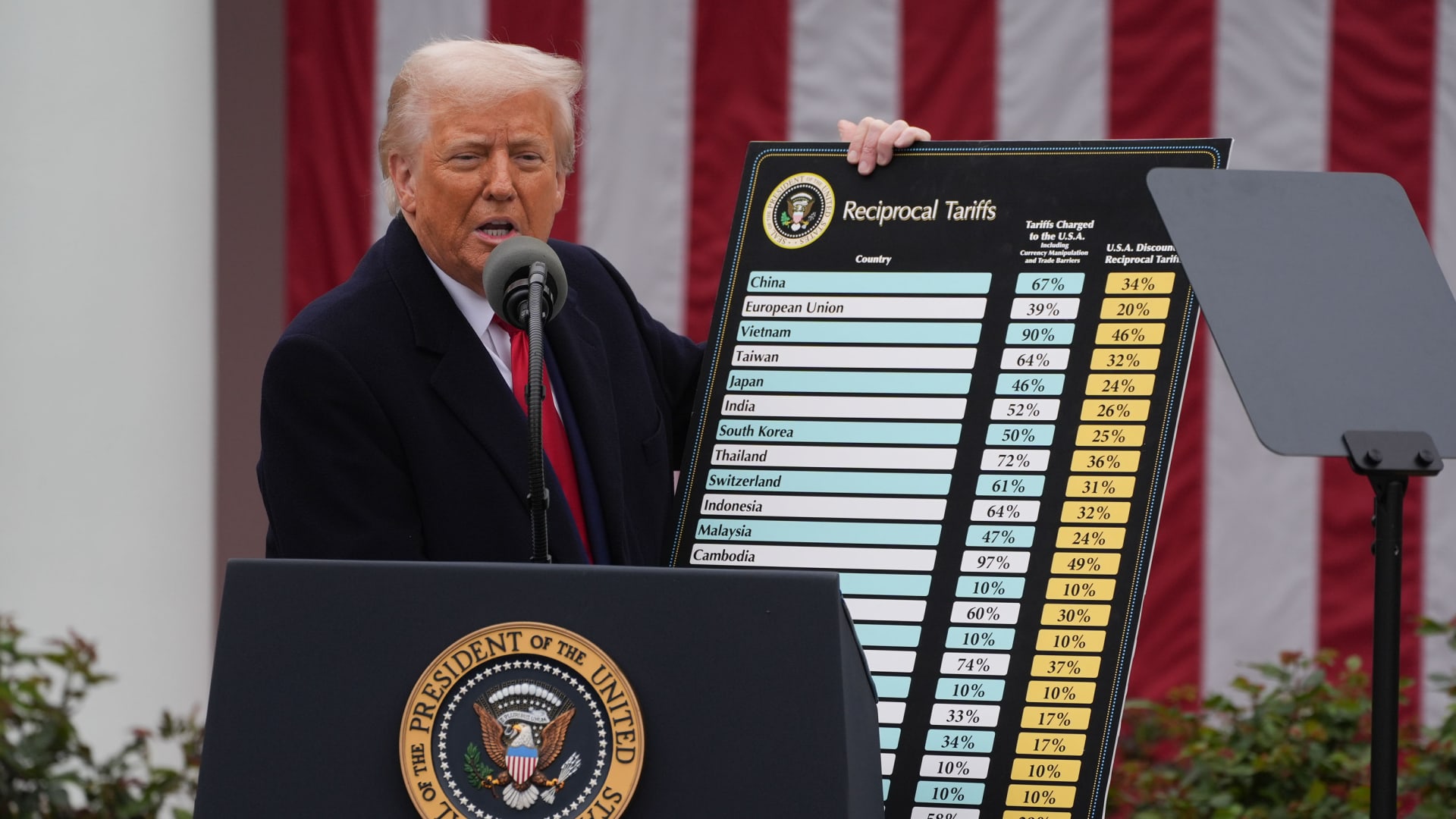
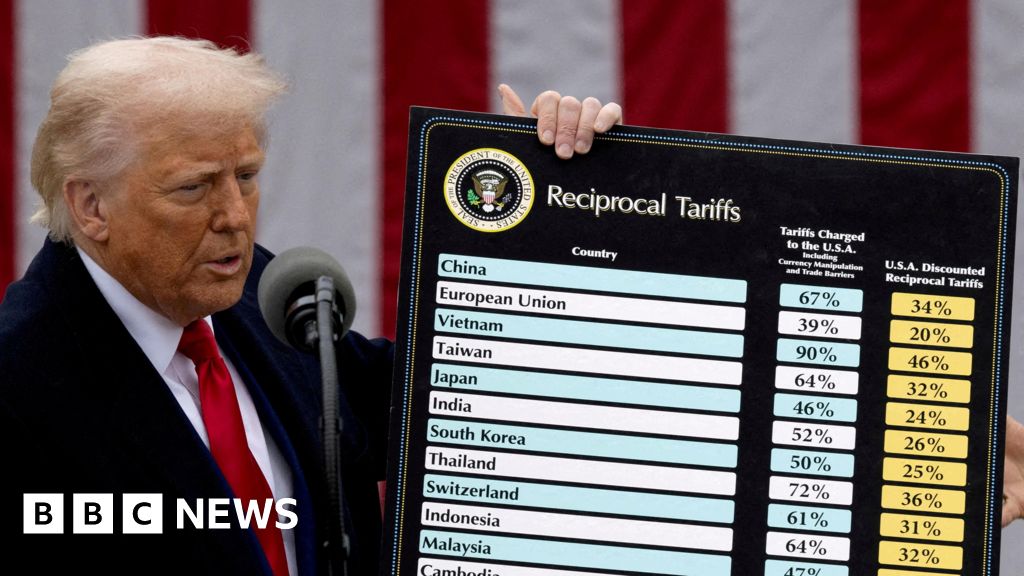
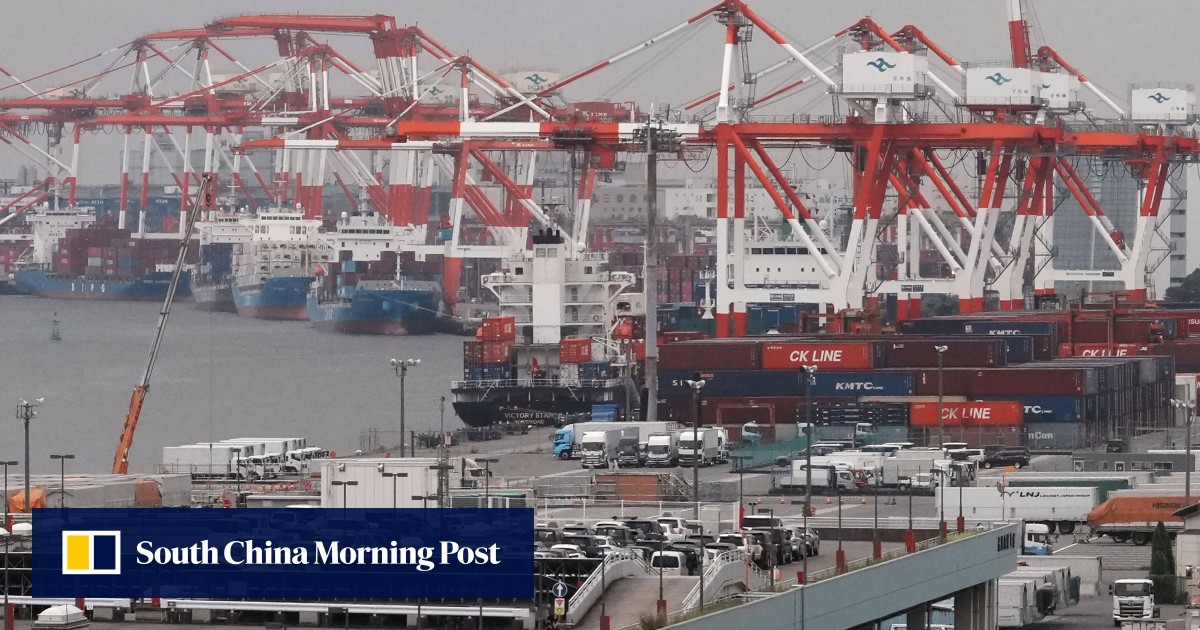
The litigation challenges the tariffs Trump imposed on a broad range of U.S. trading partners in April, as well as tariffs imposed in February against China, Canada and Mexico.
It centers around Trump's use of the International Emergency Economic Powers Act (IEEPA), which gives the president the power to address "unusual and extraordinary" threats during national emergencies. Trump has said that trade imbalances, declining manufacturing power and the cross-border flow of drugs justified the tariffs under IEEPA.