A pun, a puzzle and a work of art
Douglas Hofstadter is probably best known as the author of Gödel, Escher Bach, a classic of popular science writing published in 1979.
In 1983, he coined the word “ambigram”, meaning a piece of text that can be read in more than one way, an art form pioneered in the 1970s by the typographers Scott Kim and John Langdon. Typically, an ambigram is a word or phrase that has left-right mirror symmetry, or reads the same upside down.
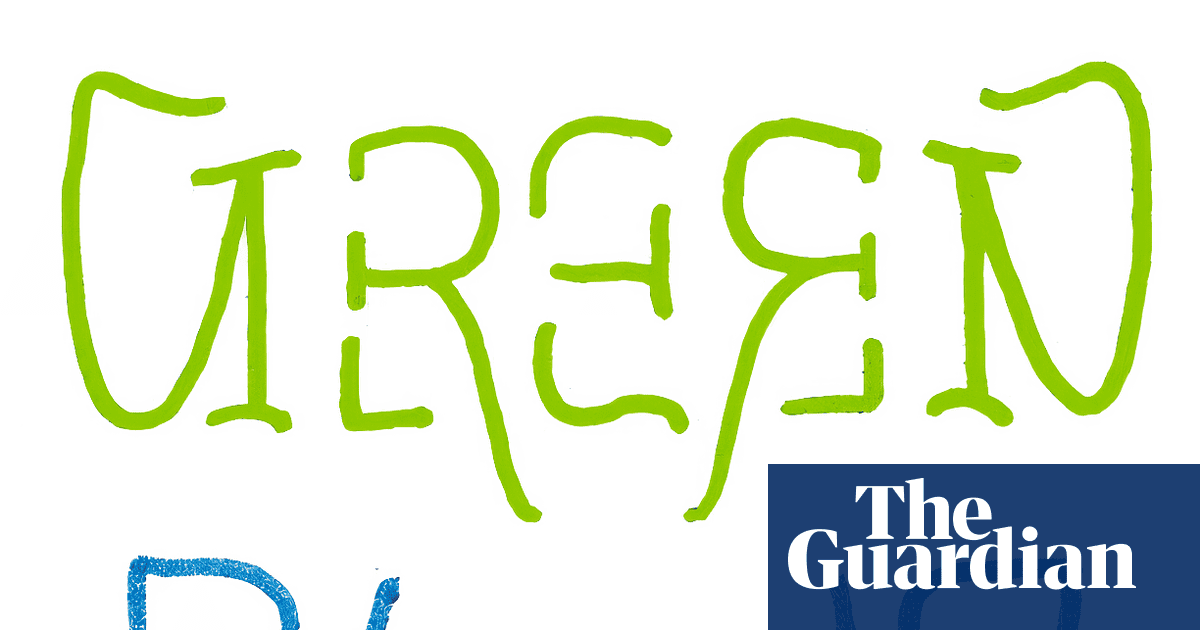
Hofstadter, aged 80, is professor of cognitive science and comparative literature at Indiana University, and has produced thousands of ambigrams over the decades. Here’s one that is pleasingly self-referential, taken from his latest book, Ambigrammia. It has a vertical line of symmetry through the “g”, which means you can read it left to right, and also in a mirror. The ‘ambi’ when reflected reads ‘rams’.
Here’s another one, geographically appropriate, that has 180 degree rotational symmetry. (It reads the same upside down.)