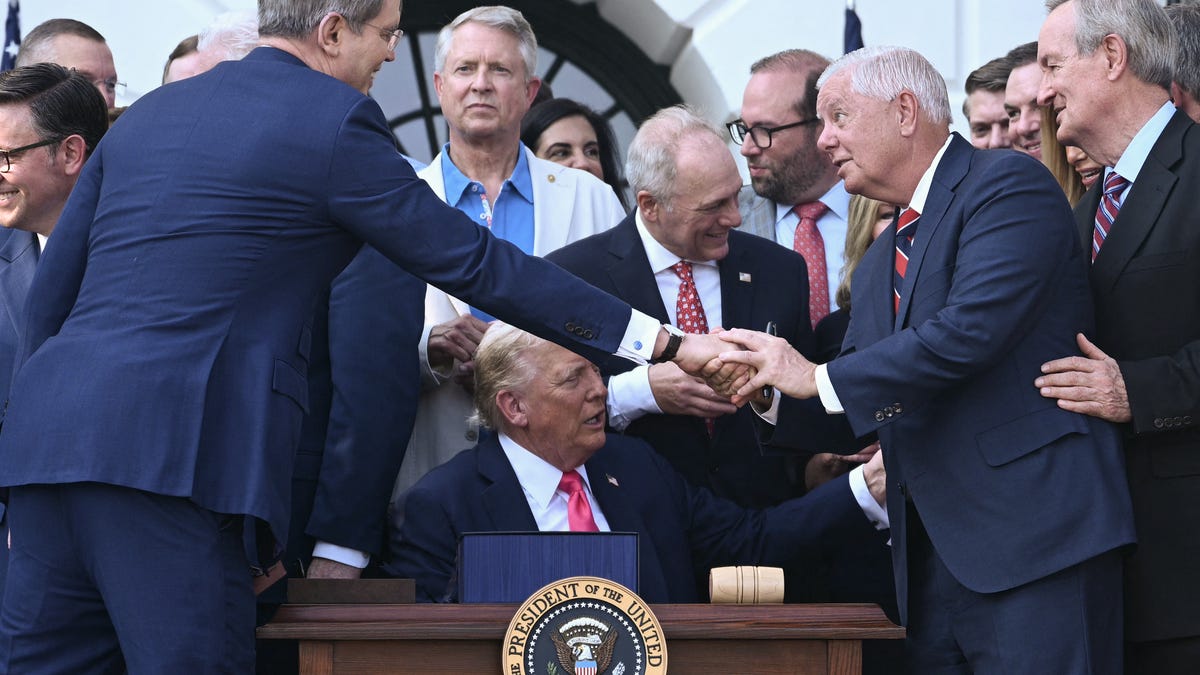
WASHINGTON – President Donald Trump's agenda in the second half of his second term will hinge on whether Republicans can maintain control of Congress in next year's midterm elections.
In the Senate, where the GOP currently has a slim 53 to 47 majority, being the party in charge is vital for the president and his ability to pass key legislation priorities, confirm nominees, including any potential Supreme Court vacancies.
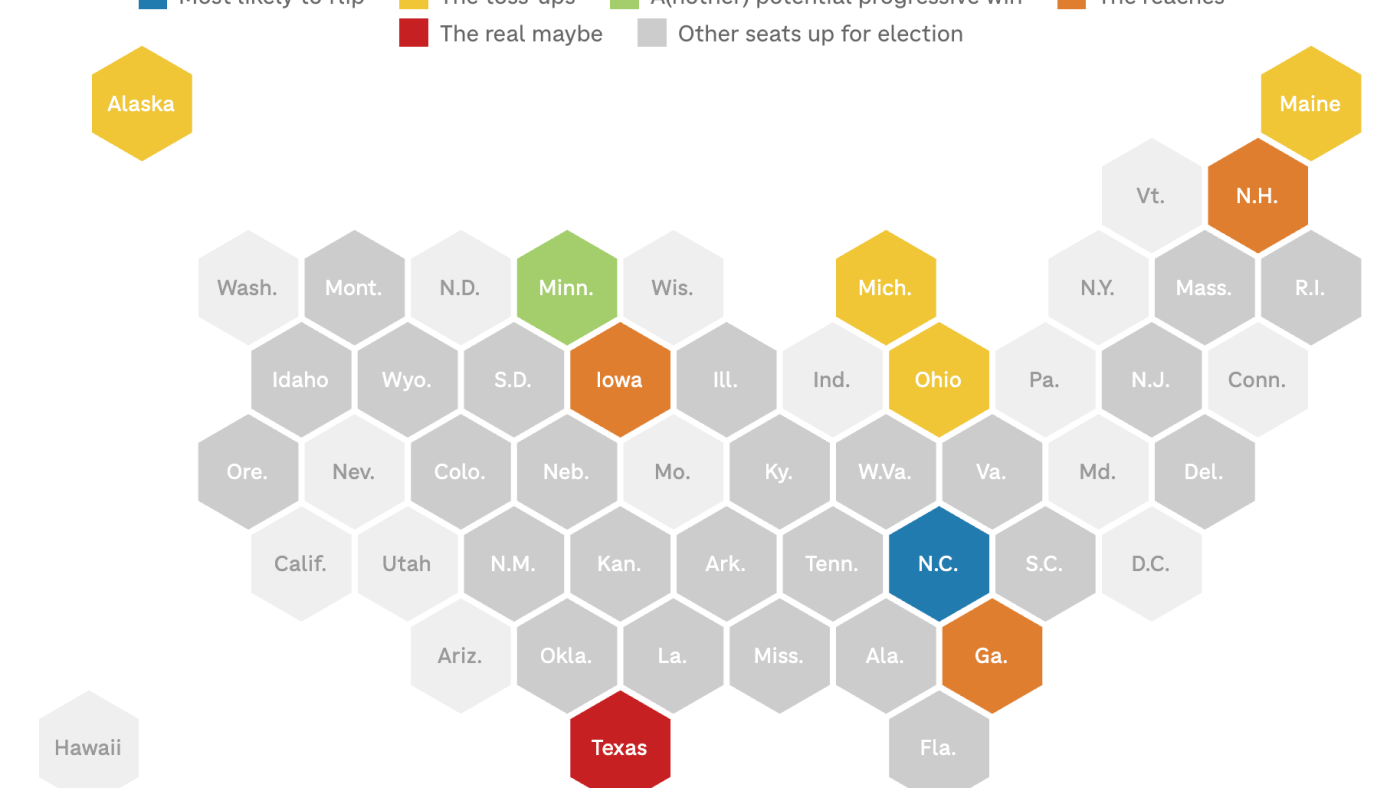
Heading into 2026, congressional Republicans look to keep their legislative advantage but face the challenge of precedent. Often, the party that does not hold the White House – Democrats, currently – fares better in midterm congressional elections. In need of a pick me up after last year’s bruising presidential and congressional elections, Democrats are trying to flip the upper chamber back to blue by winning a handful of states scattered from the South to the Great Lakes.
More: What to expect when you're expecting a GOP trifecta
For their part, Republicans trying to defend their majority in next November’s races must first weather some base-splitting primaries, in which established GOP incumbents hope to hold on against challengers from inside their own party.