Executions by a vengeful regime in Tehran are soaring. The west must pursue a different strategy
H
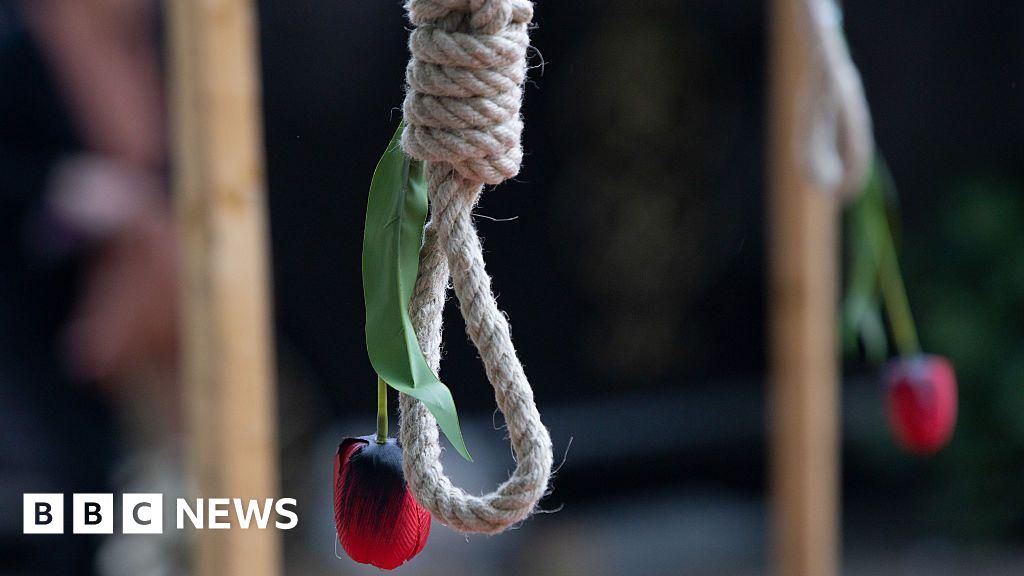
anging is the preferred method of execution in Iran, although stoning and crucifixion offer alternative options for an ever-vengeful theocracy. Death by hanging is not necessarily quick. Strangulation and suffocation can take several minutes. The UN says more than 600 people have been judicially murdered so far this year. Iran has more executions per capita than any country in the world. Since June’s US and Israeli attacks, growing numbers of victims are political dissidents.
Fifty days on, nothing remotely positive has resulted from the illegal bombing raids and missile strikes mounted by the US president, Donald Trump, and Israel’s leader, Benjamin Netanyahu, despite their boasts of world-changing success. Iran’s nuclear facilities were not obliterated, as Trump claimed. Tehran has not abandoned uranium enrichment. The regime did not fall, despite Netanyahu’s call for an uprising. If anything, the supreme leader, Ayatollah Ali Khamenei, is more defiant. He has since launched a new crackdown on opponents, hence the executions.
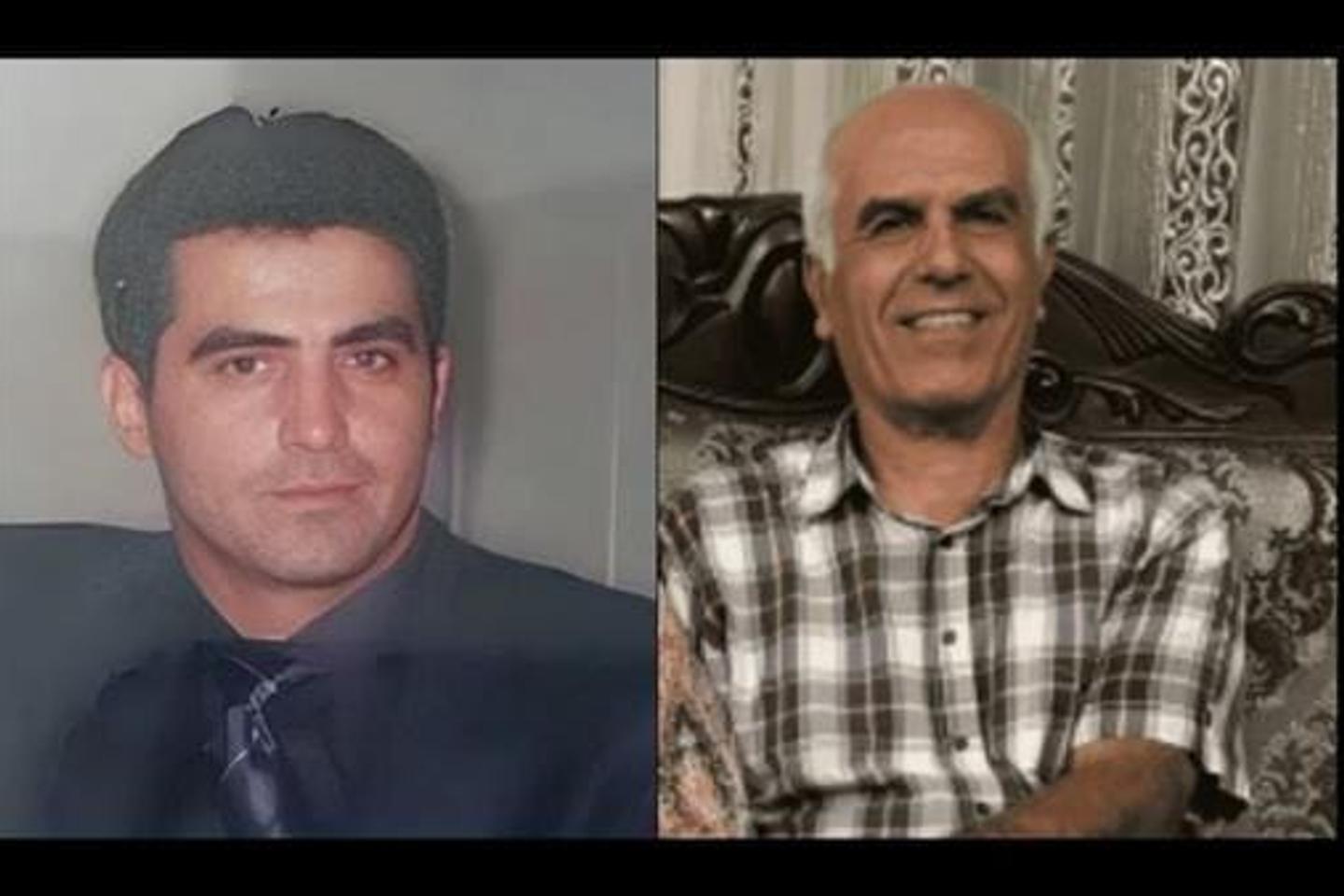
Deploring last weekend’s hanging of political prisoners Behrouz Ehsani and Mehdi Hassani, Amnesty International linked their fate to the US-Israeli attacks. Arrested in 2022, the two men were charged with rebellion and “enmity against God”. They were tortured, forced to sign confessions and sentenced last year after a five-minute trial. The decision to execute them now “highlights the authorities’ ruthless use of the death penalty as a tool of political repression in times of national crisis to crush dissent and spread fear”, Amnesty said.