Dalea Tran has dreamed of law school for years, but she's never known how she might pay for it.
Unlike many aspiring lawyers, she wouldn't be following in her parents' footsteps. An accountant and a hair stylist, they arrived in San Diego with their families as child refugees from Vietnam. Tran, a 19-year-old rising sophomore at the University of California, San Diego, knew if she decided to go to law school, she'd have to work her way through a maze of student loans and financial aid packages.
For people like her, navigating that maze just became far more challenging.
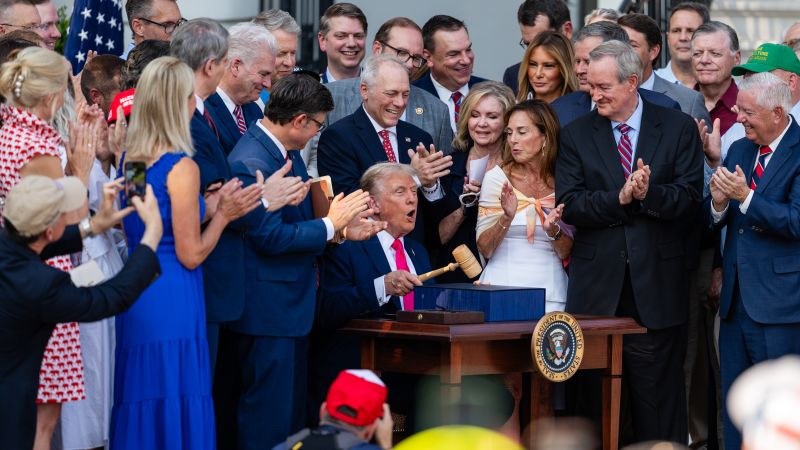
Major changes are coming to higher education in the United States after President Donald Trump signed his major domestic policy bill into law. Among them is an end to Grad PLUS loans, a program that helps people pay for medical school and law school. Since Congress created the loans, direct from the federal government, in 2006, they have covered the full cost of attending graduate and professional school for nearly 2 million students.
Beginning July 1, 2026, that won't be an option anymore. Trump's tax and spending law will eliminate the Grad PLUS program for new borrowers (students who take out loans before that date will be grandfathered in for up to three years).