We and our vendors use cookies and similar methods (“Cookies”) to recognize visitors and remember their preferences. We also use Cookies for a variety of purposes, including analytics, to measure marketing effectiveness and to target and measure the effectiveness of ads. You can accept or reject the use of Cookies for individual purposes below. Some vendors process your data on the basis of their legitimate interest - you can object to such processing below. Your preferences will be saved in a cookie named “fides_consent” for a maximum duration of 12 months, as well as in your registered user account if you are logged in. If you previously accepted these methods through our prior banner, then we will use your data for targeting. Your preferences will apply on nytimes.com, as well as our News, Cooking, Games and Audio apps. Your preferences here are unrelated to Apple’s App Tracking Transparency Framework.
Supported by
The F.A.A. has since been training on-call specialists to be snappier about administering alcohol and drug tests after a serious incident, an official said.
By Karoun Demirjian
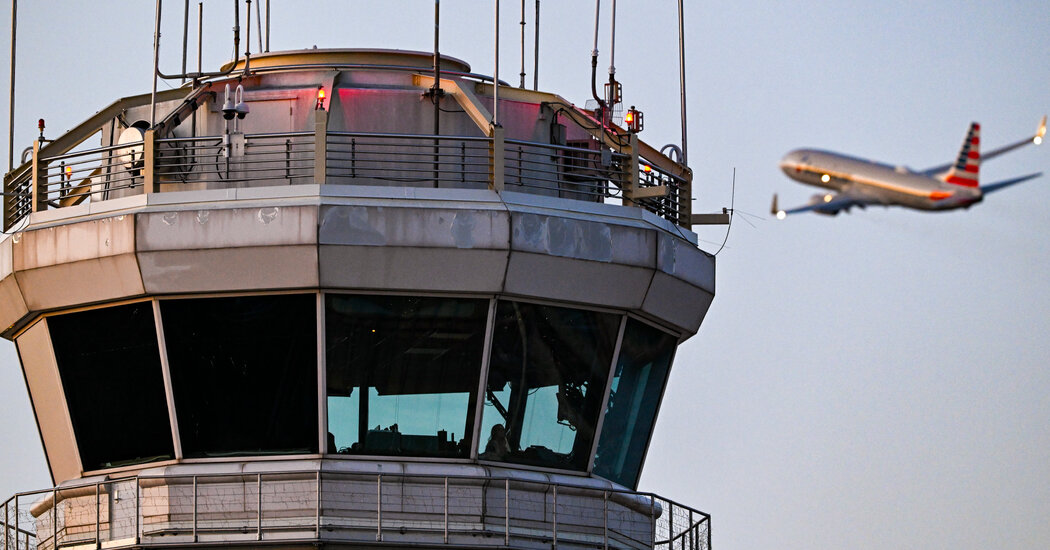
The air traffic controllers on duty at Ronald Reagan National Airport on the night that a Black Hawk helicopter crashed into a commercial jet, killing 67 people, were never tested to determine if any of them had alcohol in their system at the time of the accident. And it took 18 hours before they were tested for drugs.