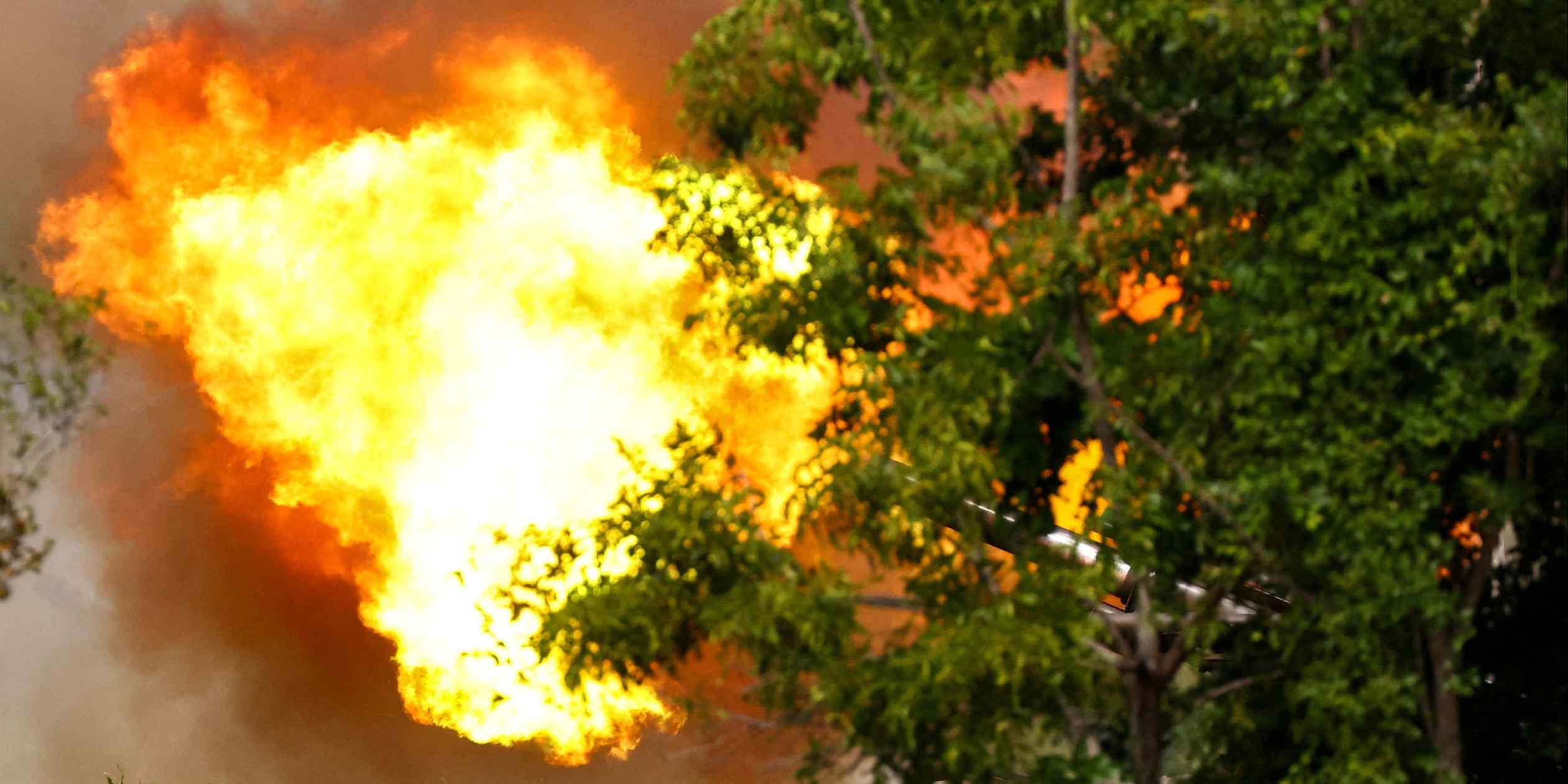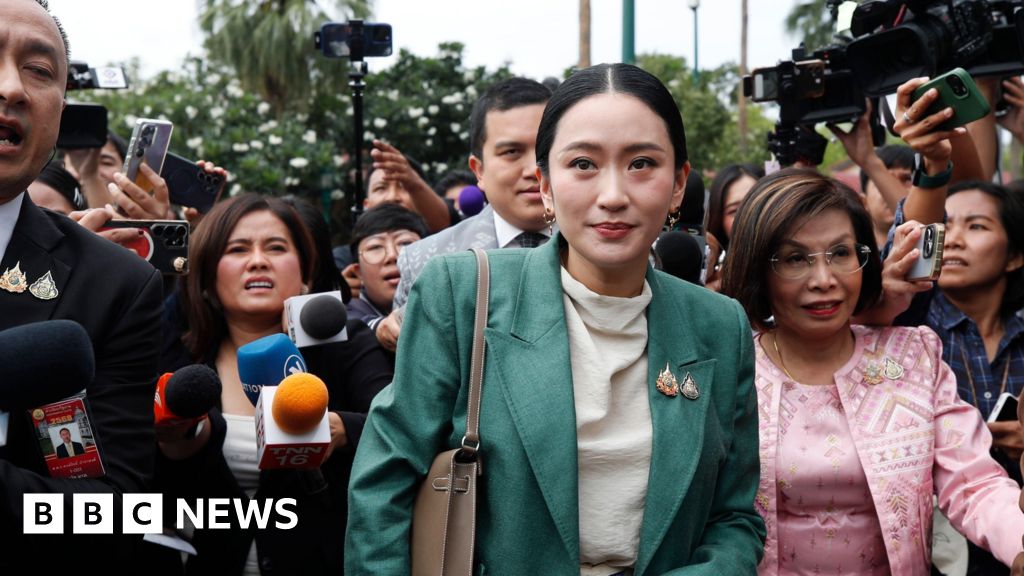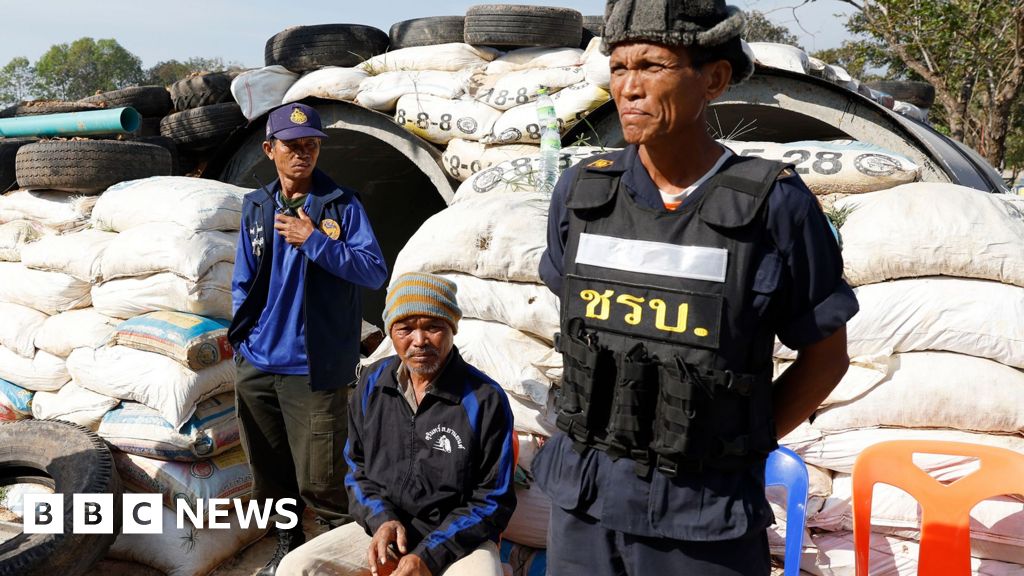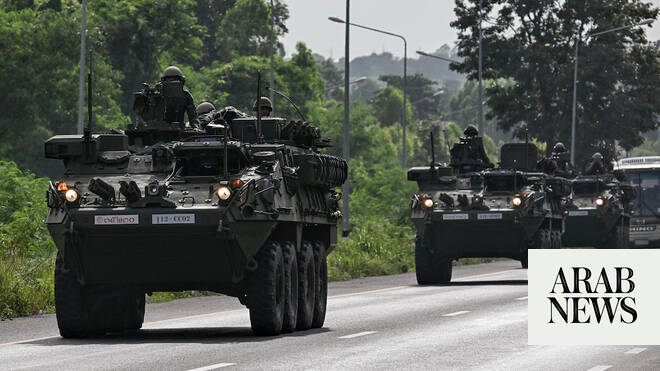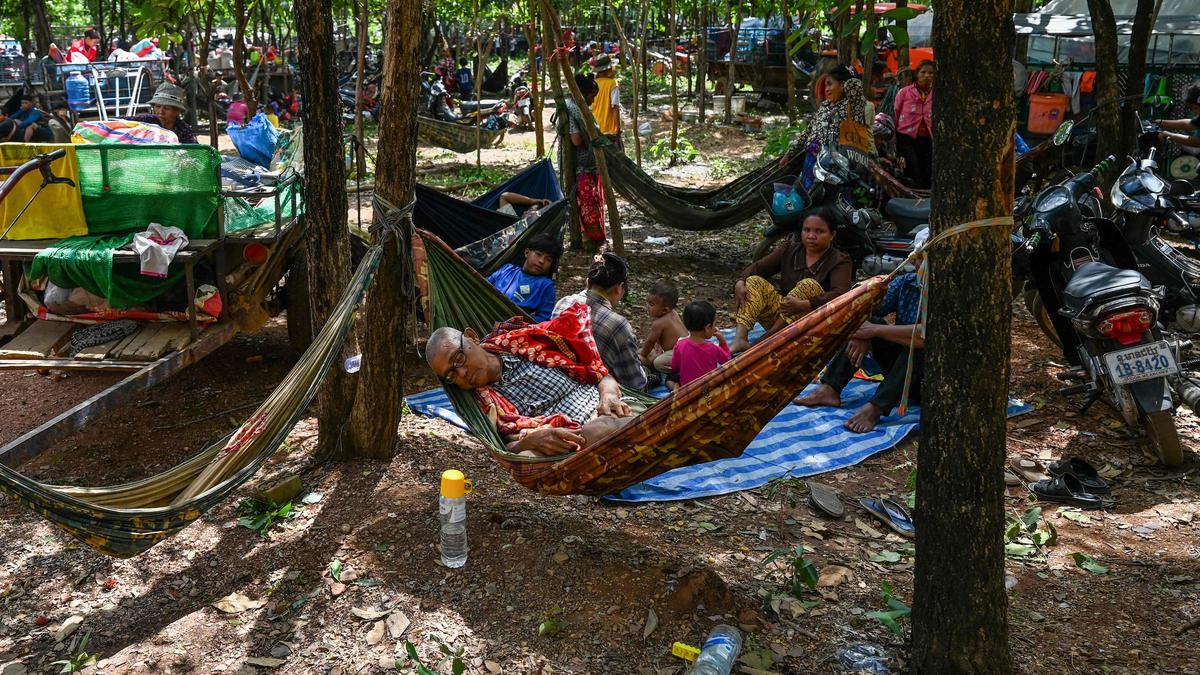
On the morning of July 24, Thai and Cambodian troops clashed at multiple locations along their 800-km border. Following five days of fighting that resulted in 43 deaths (including civilians) and the displacement of more than 300,000 people, both sides arrived at a ceasefire that took effect on July 29. Mediated by ASEAN chair Malaysia, with help from China, and under the looming threat of U.S. tariffs, the truce appeared to largely hold despite claims of breach by both parties.
After the agreement came Cambodia’s call on July 31 for the release of its 20 soldiers detained for crossing into Thai-held territory after the truce. Bangkok has acceded, but only upon the fulfilment of legal procedures — proof that the peace deal, despite putting a temporary halt to the fighting, is a minor respite at best. For the roots of the conflict can be traced back to pre-colonial times; and with domestic politics, international scam centres and nationalism coming to the mix, multiple interests are at stake, complicating matters further.