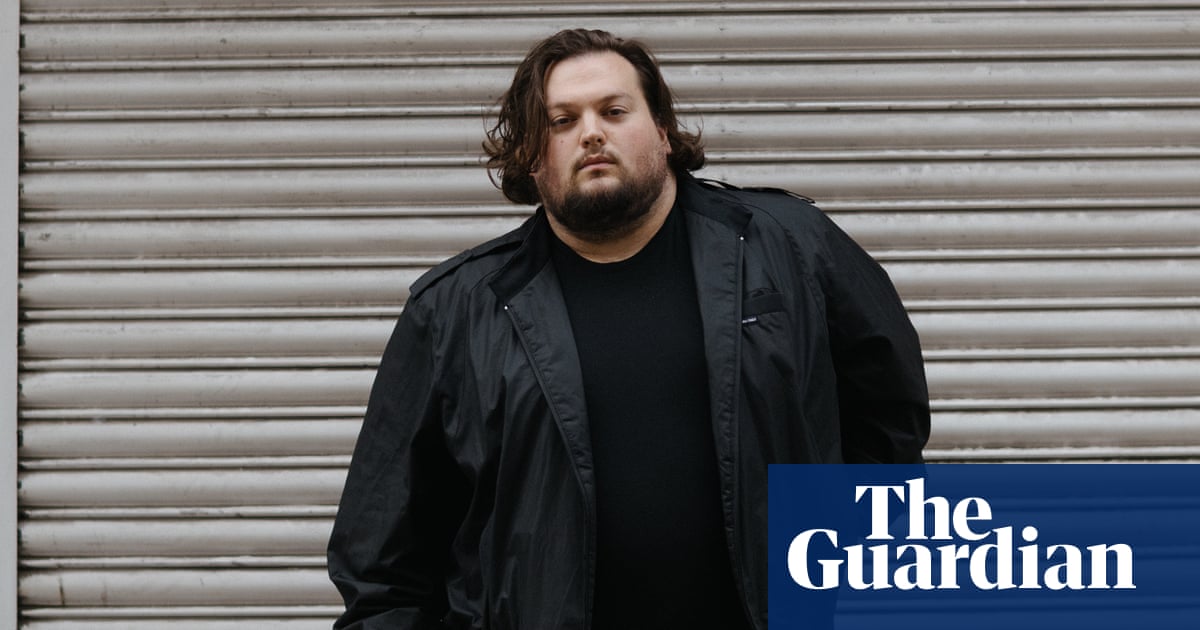
The musician was living in his mother’s basement when he blagged a job in LA. Soon, his mesmeric live shows sparked a bidding frenzy. He describes how finding his wavelength on stage can fill audiences with joy
F
our years ago, Tyler Perry’s stepfather offered him a job in the office of his dog-training company in Portsmouth, Rhode Island. Perry had little else to fill his time: he was 29 and living in his mother’s basement, uncertain what he should do with the rest of his life.
In 2017, he had left Berklee College of Music, where he had ostensibly studied songwriting, but largely smoked weed and skipped class. The songs he wrote then were introspective and folk-driven, in the lineage of Nick Drake and Elliott Smith – artists he had been drawn to in his senior year of high school, who had spoken to him just as depression had first set in. “I was depressed for, like, 10 years,” he says.
In idle moments in the office, he would scour Craigslist, imagining a different life in New York or Nashville or LA. One day, on a whim, he applied for a recruitment job at a commercial real estate company in Los Angeles. He lied about his experience, and the fact he didn’t have a degree. “I just wrote a really good email,” he says. “And 20 minutes later they called me. I went through two interviews in a day, and then they said: ‘Can you be here in two weeks?’” Perry had never been to Los Angeles. That evening, he talked it over with his family and friends. “And my mom said: ‘What do you have to lose? A few thousand dollars? You can always come back.’ So I moved to Venice Beach, California.”