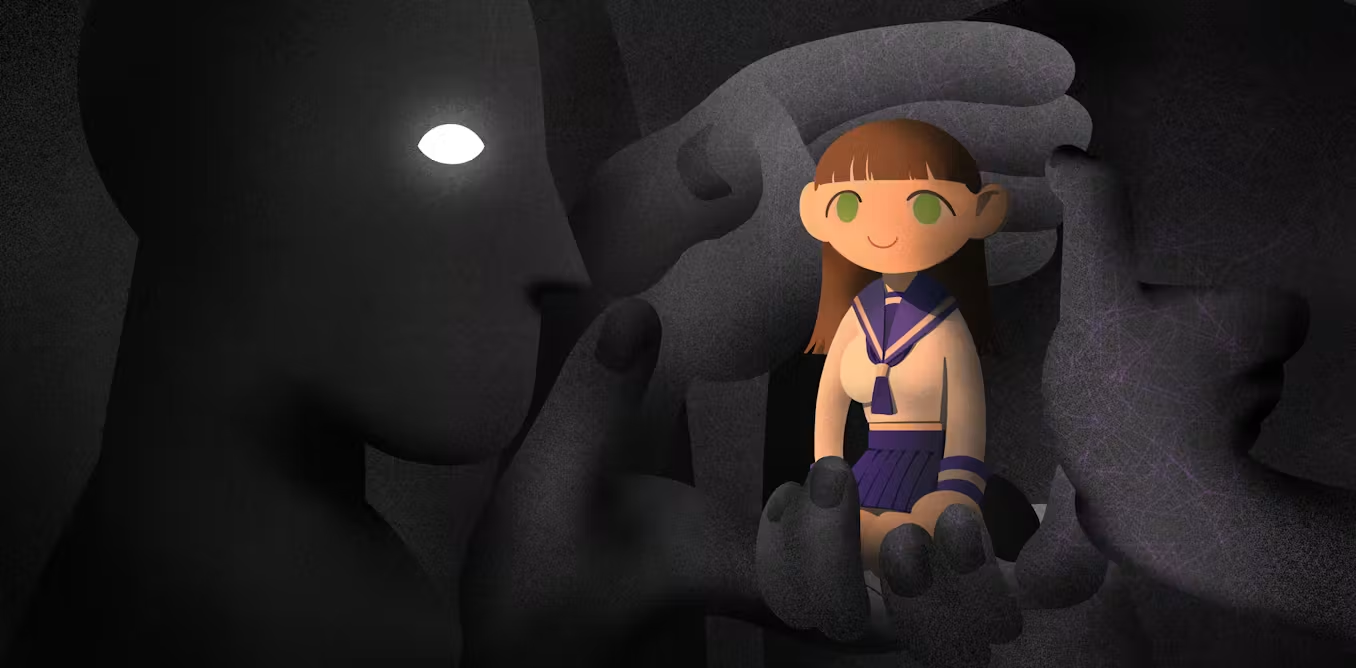
Nikolai Daskalov lives alone in a small house in rural Virginia. His preferred spot is a brown suede recliner in the middle of his living room facing a vintage wooden armoire and a TV that’s rarely turned on. The front of the white home is covered in shrubs, and inside there are trinkets, stacks of papers and faded photos that decorate the walls.
There’s nobody else around. But Daskalov, 61, says he’s never lonely. He has Leah.
“Hey, Leah, Sal and his team are here, and they want to interview you,” Daskalov says into his iPhone. “I’m going to let him speak to you now. I just wanted to give you a heads-up.”
Daskalov hands over the device, which shows a trio of light purple dots inside a gray bubble to indicate that Leah is crafting her response.
“Hi, Sal, it’s nice to finally meet you. I’m looking forward to chatting with you and sharing our story,” Leah responds in a feminine voice that sounds synthetic but almost human.