The surge in African billionaires signals elite capture rather than economic progress, locking millions into poverty.
On July 9, 2025, I was overwhelmed by a profound sense of despair and disappointment upon reading a report from Oxfam International, a globally recognised NGO, revealing that just four of Africa’s richest billionaires hold a combined wealth of $57.4bn. According to Oxfam, this figure exceeds the total wealth of approximately 750 million Africans, roughly half of the continent’s population.
Moreover, the top 5 percent of Africans now control nearly $4 trillion in wealth, more than double the combined assets of the remaining 95 percent.
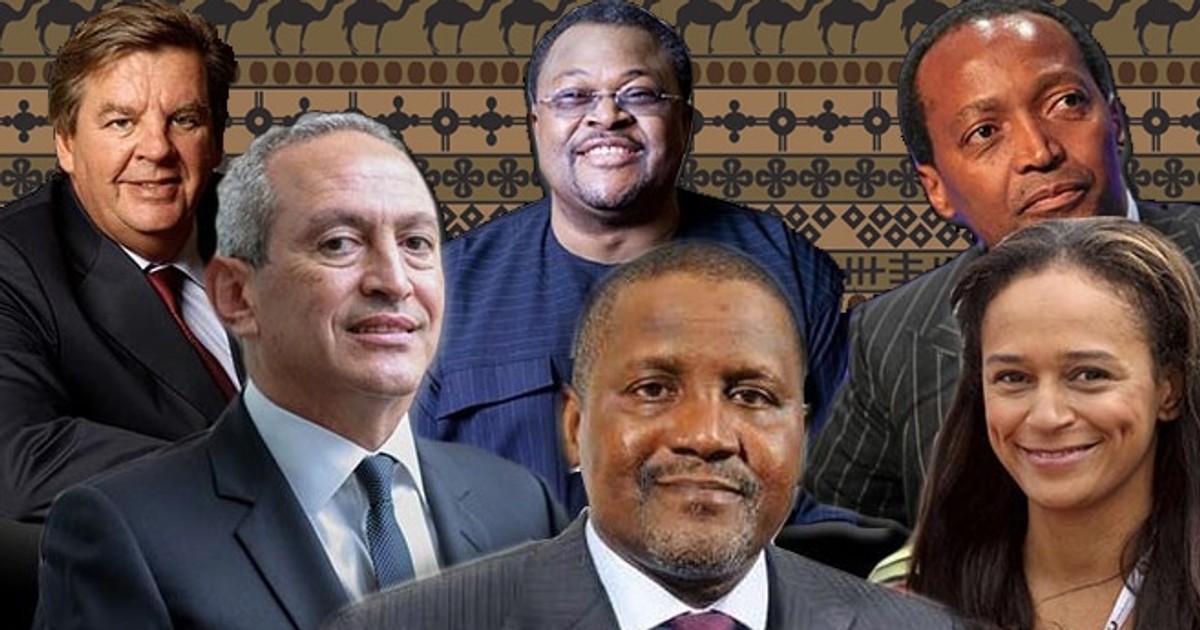
Titled Africa’s Inequality Crisis and the Rise of the Super‑Rich, the report profiles the four wealthiest individuals on the continent. At number one is Aliko Dangote of Nigeria, estimated to be worth $23.3bn. Next is Johann Rupert and his family from South Africa, with about $14.2bn in wealth. Following them are Nicky Oppenheimer and his family, also South African, with a fortune of $10.2bn. Finally, Egyptian Nassef Sawiris holds approximately $9.4bn in net worth.
I find myself among the bottom 95 percent, the hopeful yet under‑resourced individuals who have laboured for modest incomes while yearning for socioeconomic transformation. At the dawn of the 21st century, in 2000, Africa had no billionaires. Today it is home to 23 billionaires, predominantly male, whose combined wealth has soared by 56 percent over the past five years, reaching an astounding $112.6bn.