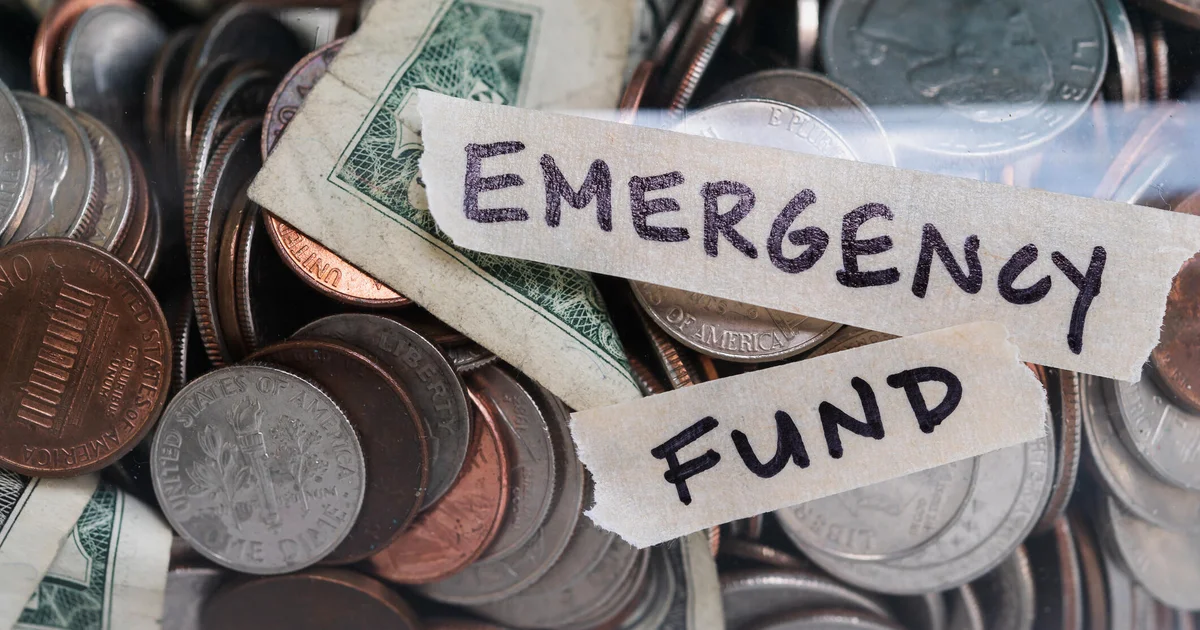
Setting aside money in a rainy-day fund can bolster households’ retirement prospects down the road, especially for hourly workers with inconsistent income streams, experts said.
Emergency funds are a “security blanket,” said Fiona Greig, global head of investor research and policy at Vanguard Group, an asset manager.
That’s because they offer a cash buffer for people who might otherwise raid their 401(k) accounts to pay for unforeseen expenses in the short term, she said.
401(k) investors with at least $2,000 of emergency savings are less likely than those without rainy-day funds to tap their retirement plans early, according to new Vanguard research.
Specifically, they are 19 percentage points less likely to take a 401(k) loan and 17 points less likely to withdraw 401(k) funds for a financial hardship, Vanguard found.