The British government’s secret scheme to bring those at risk to the UK has dominated headlines, but, worldwide, many times more are losing protection
T
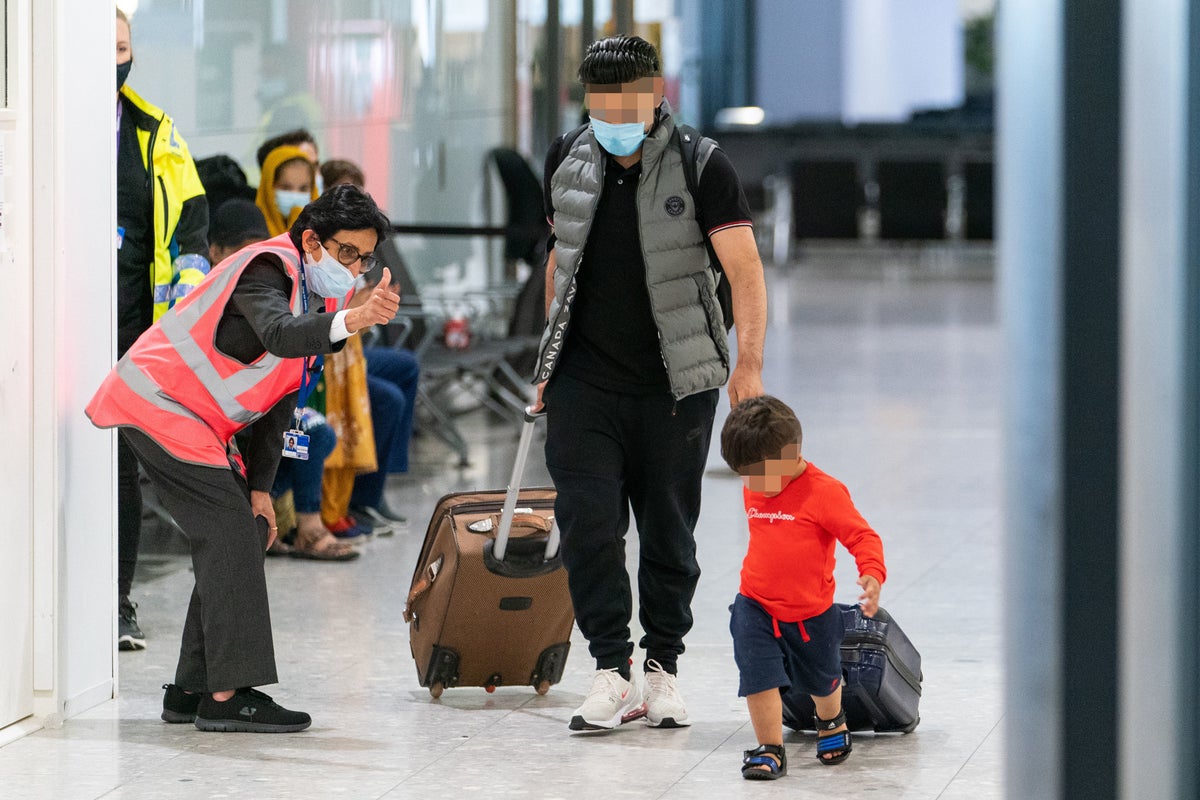
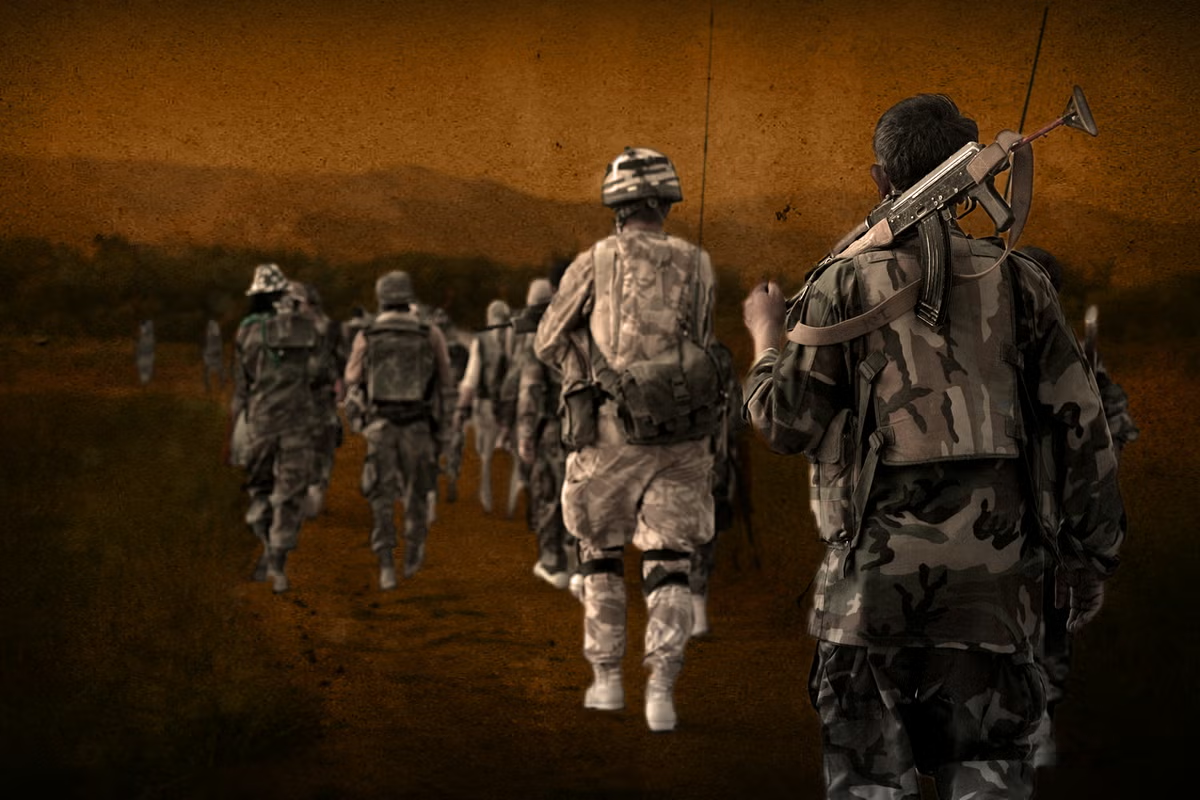
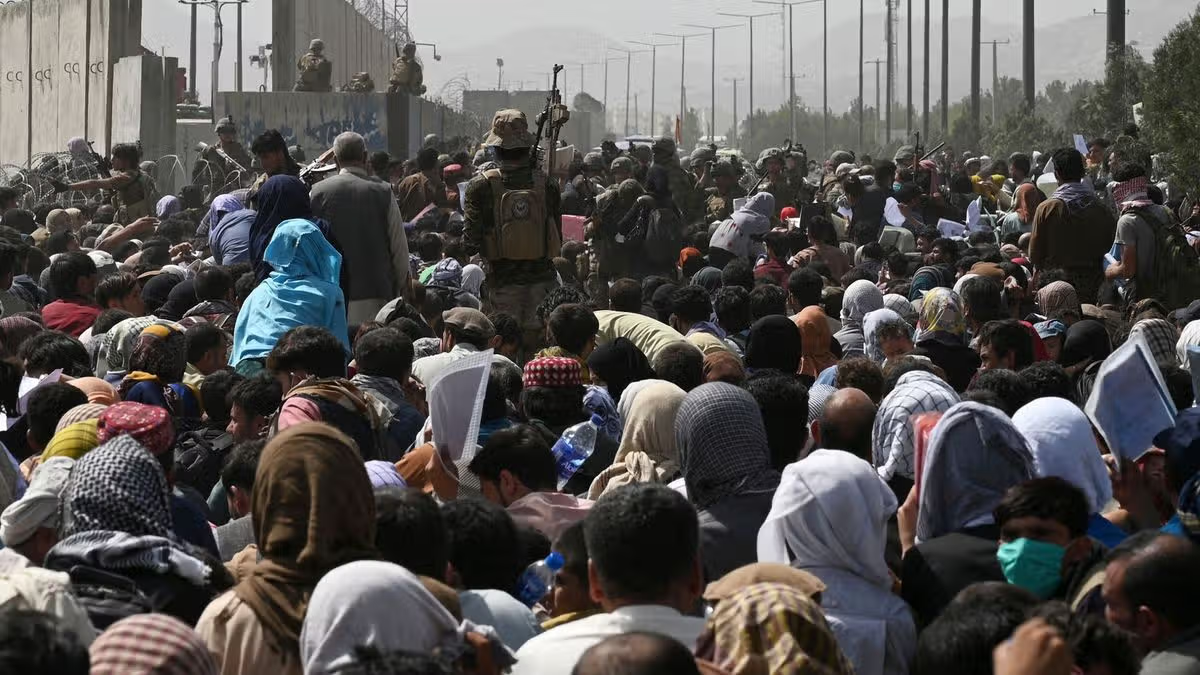
he British public discovered only very belatedly that an enormous accidental data breach by an official three years ago put up to 100,000 Afghans at risk of torture and death. Some of them had worked with British forces in Afghanistan. The result was that thousands were secretly relocated to the UK. A superinjunction covered up the story for almost two years.
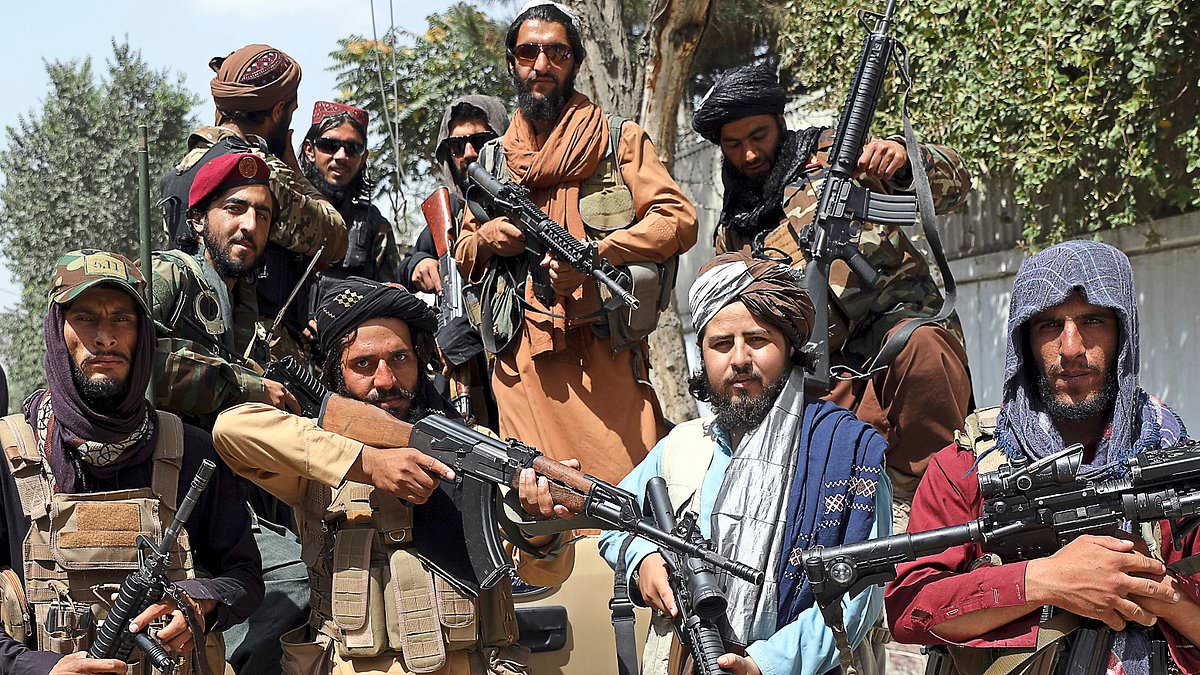
But the shocking security lapse is far from the only example of Afghans being failed since Kabul fell to the Taliban in 2021. Many more are now at risk because the countries to which they fled are pushing them out. The mirage of a more moderate Taliban was soon shattered by their imposition of gender apartheid and the brutality faced by minorities. Three-quarters of the population struggle to meet their daily needs. Women are particularly vulnerable. Humanitarian support is being slashed. A drought and now the loss of overseas remittances are deepening the crisis.
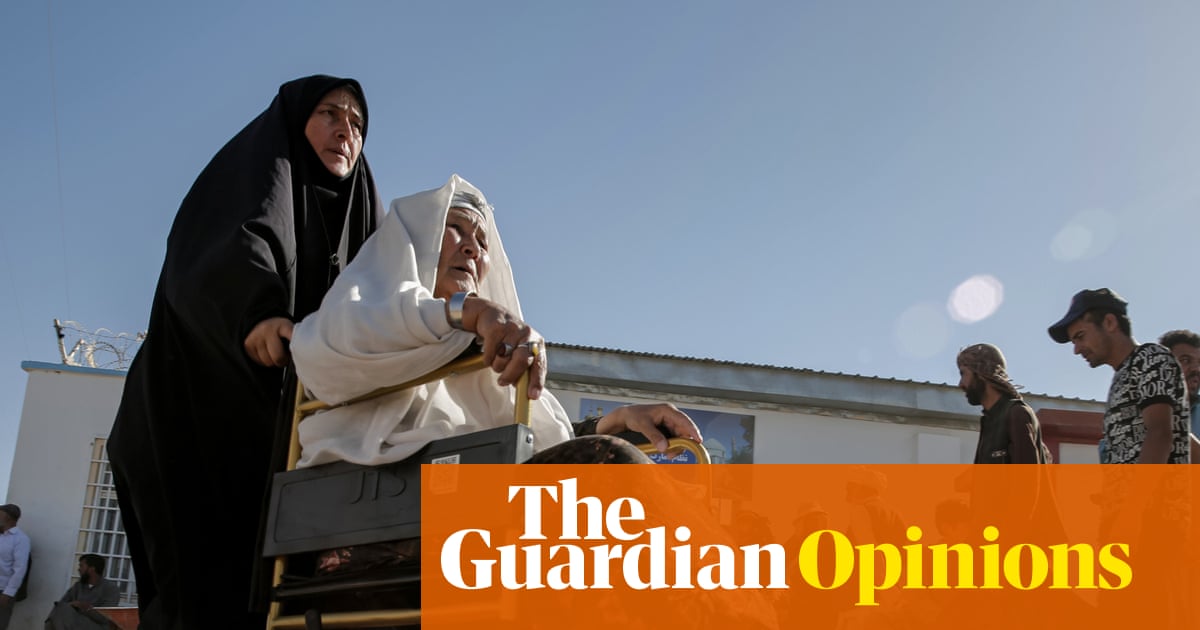
Yet almost 2 million Afghan refugees and migrants in neighbouring countries have returned or been forced to return home this year alone – thousands of them unaccompanied children, according to UN experts. More than 1.5 million Afghans have returned from Iran in 2025, with Iran accelerating expulsions after the war with Israel, which fed suspicion towards migrants.