The 8.8-magnitude quake triggered a global race against time – and showed how much had been learned since 2004
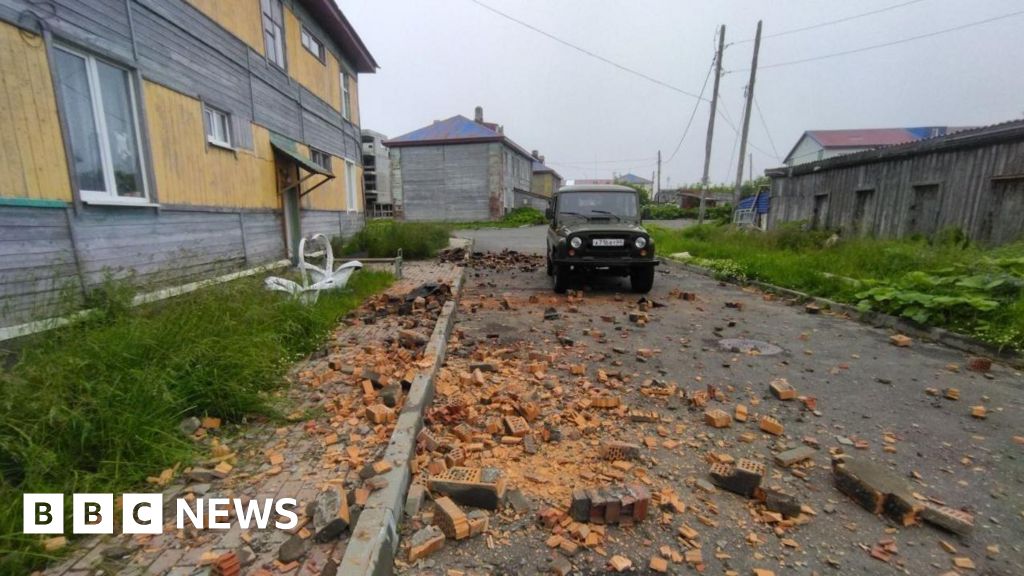
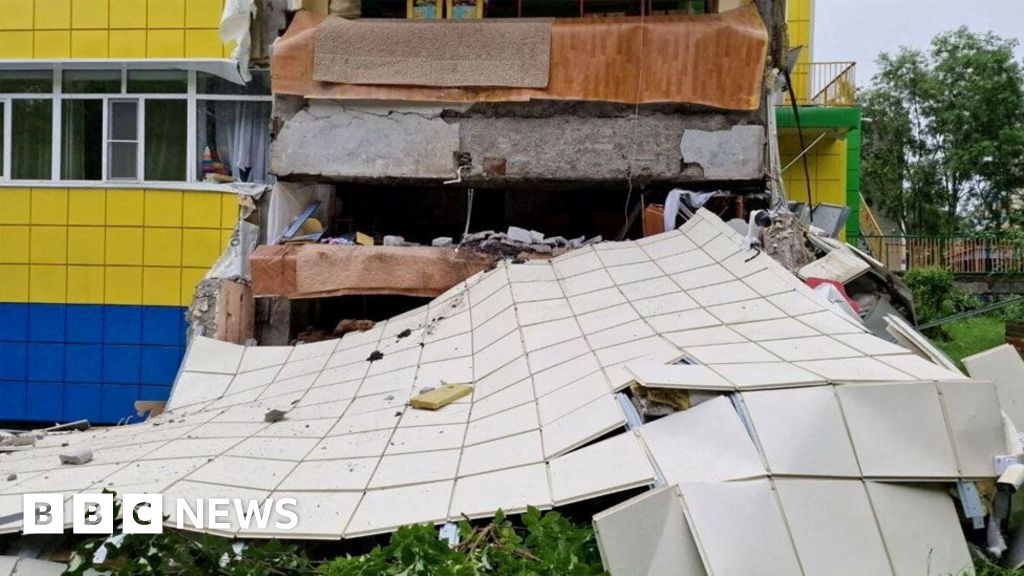
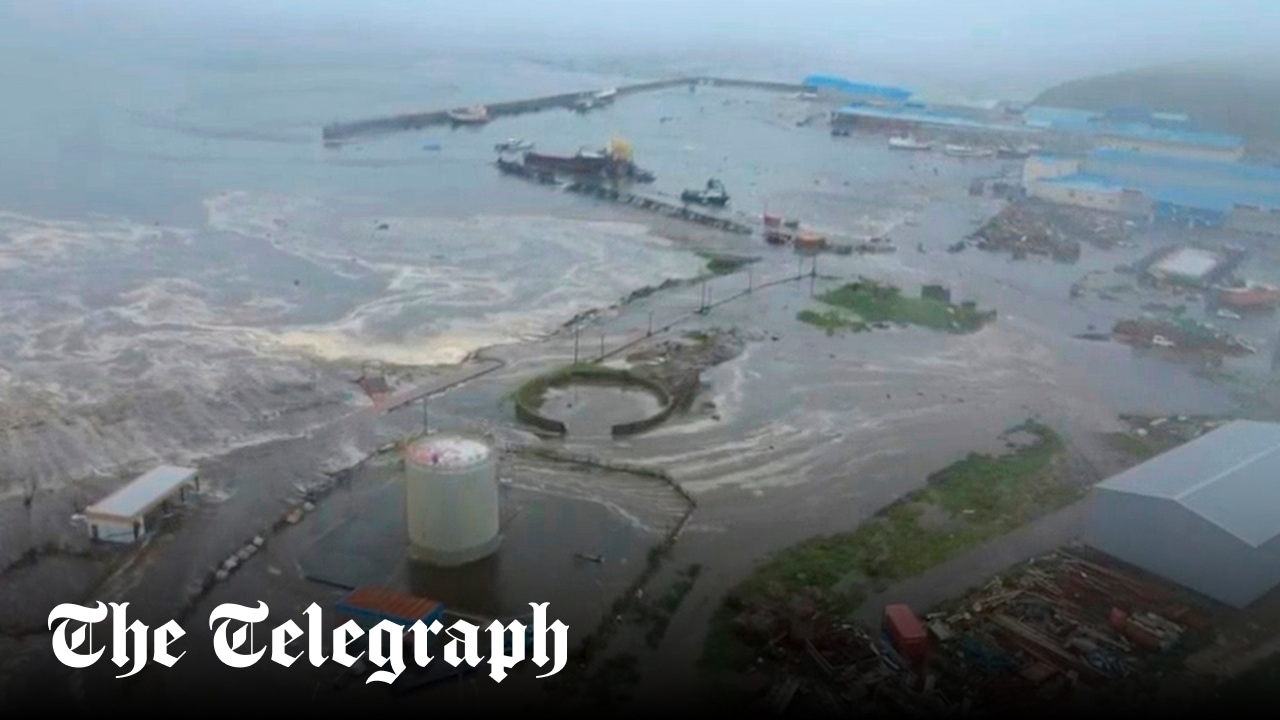
On Wednesday, one of the most powerful earthquakes ever recorded hit a sparsely populated region in far-east Russia.
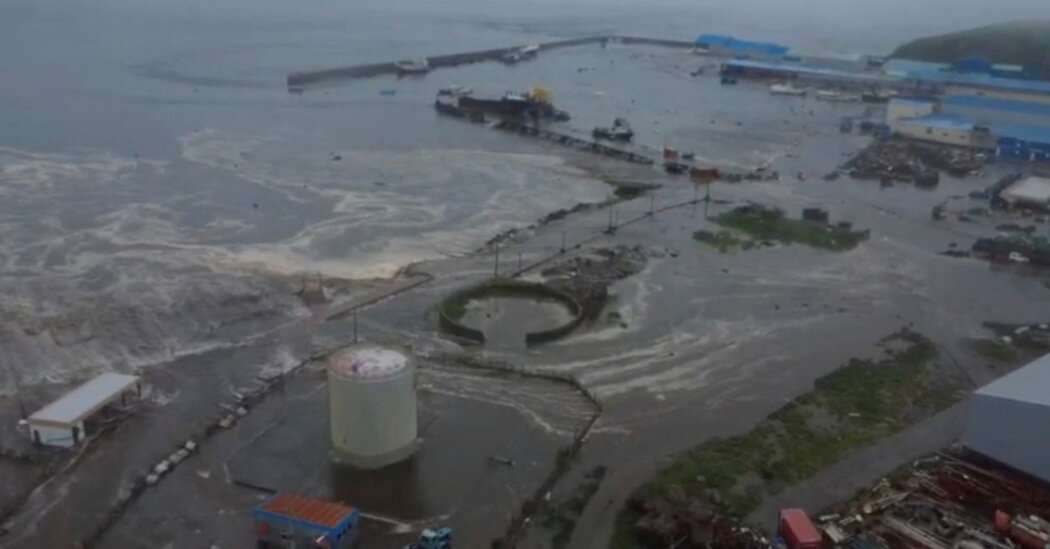
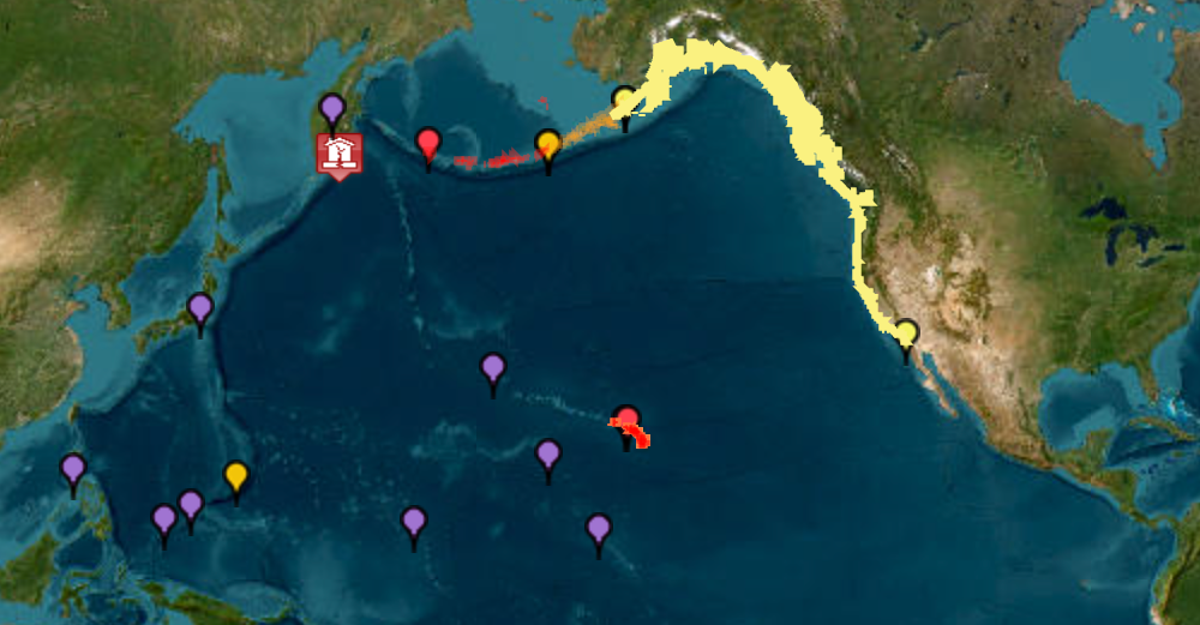
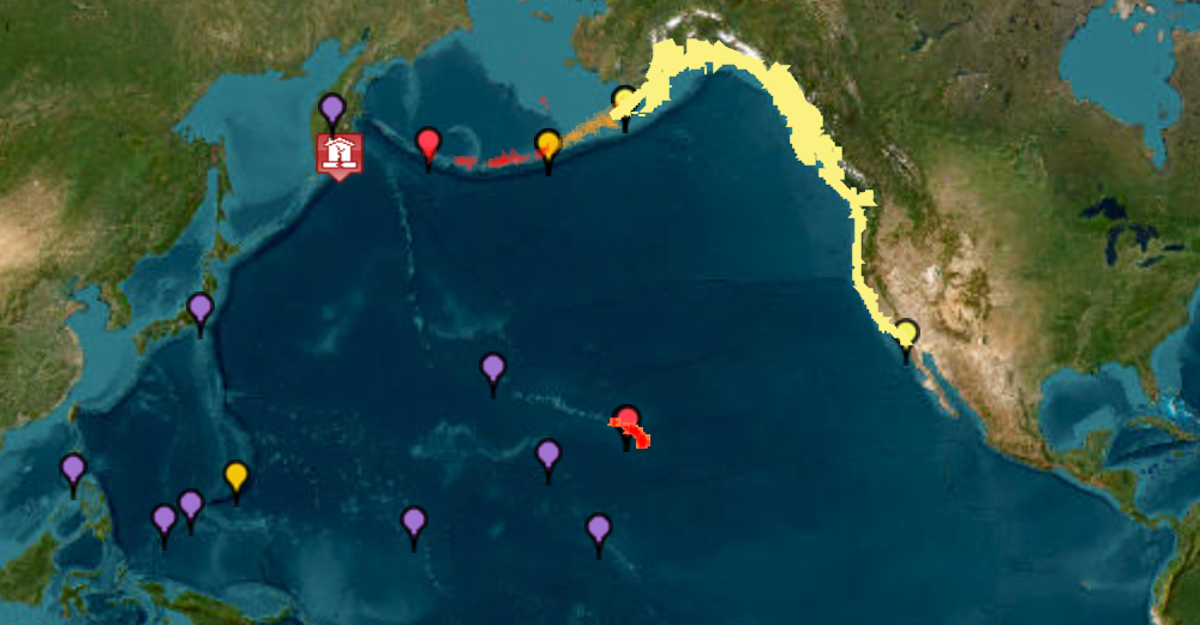
It triggered a tsunami that started crossing the ocean at hundreds of miles an hour. What followed was a race against time: early-warning systems went into alert mode as waves fanned out towards the coastlines of Japan, Hawaii and the US west coast.
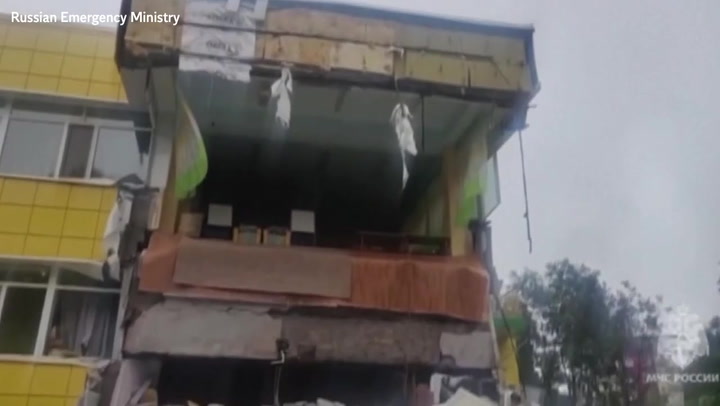
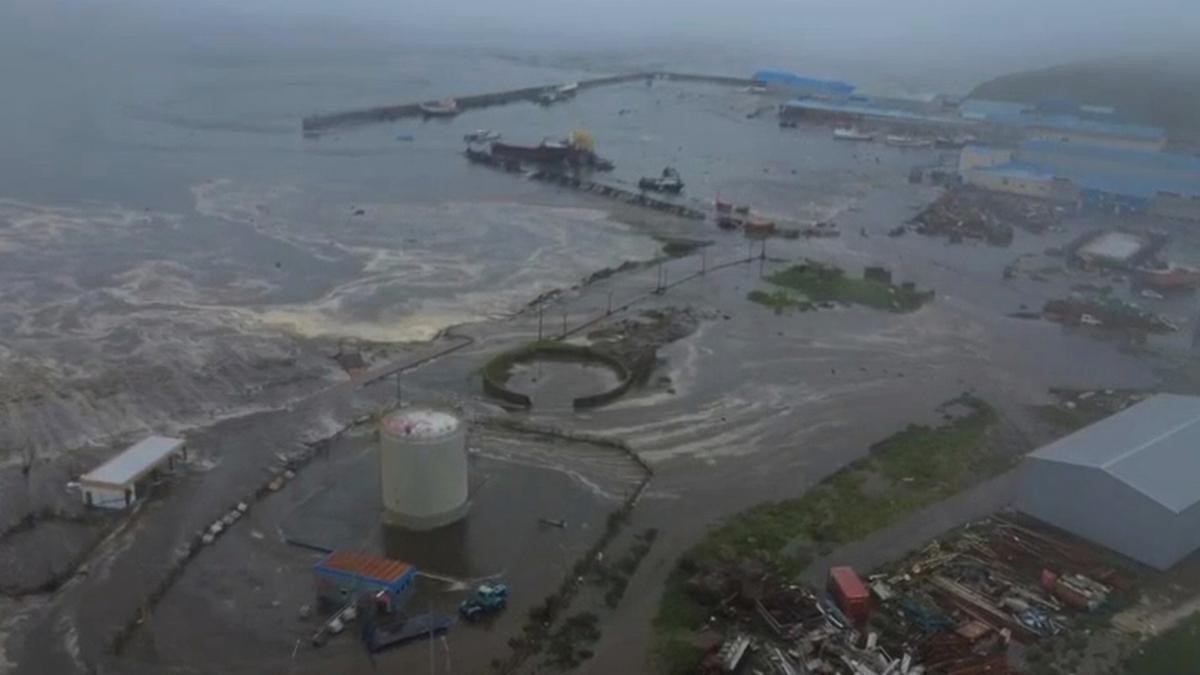
The damage appears to have been minor so far and this is, in part, thanks to a global and highly successful disaster response effort. More than 3 million people were successfully told to evacuate their homes.
At the centre of this remarkable response was the Pacific Tsunami Warning Centre (PTWC), based in Hawaii. Founded in 1949, it was monitoring tsunamis across the entire ocean by the 1960s. A small team of experts identified the size and depth of the earthquake, and a tsunami warning was triggered straight away. The whole thing worked like clockwork – their speed and accuracy may have saved thousands of lives, with temporary evacuees now allowed to return home.