Ambitious bottle return scheme helps the Netherlands hit recycling targets and tackle littering
W
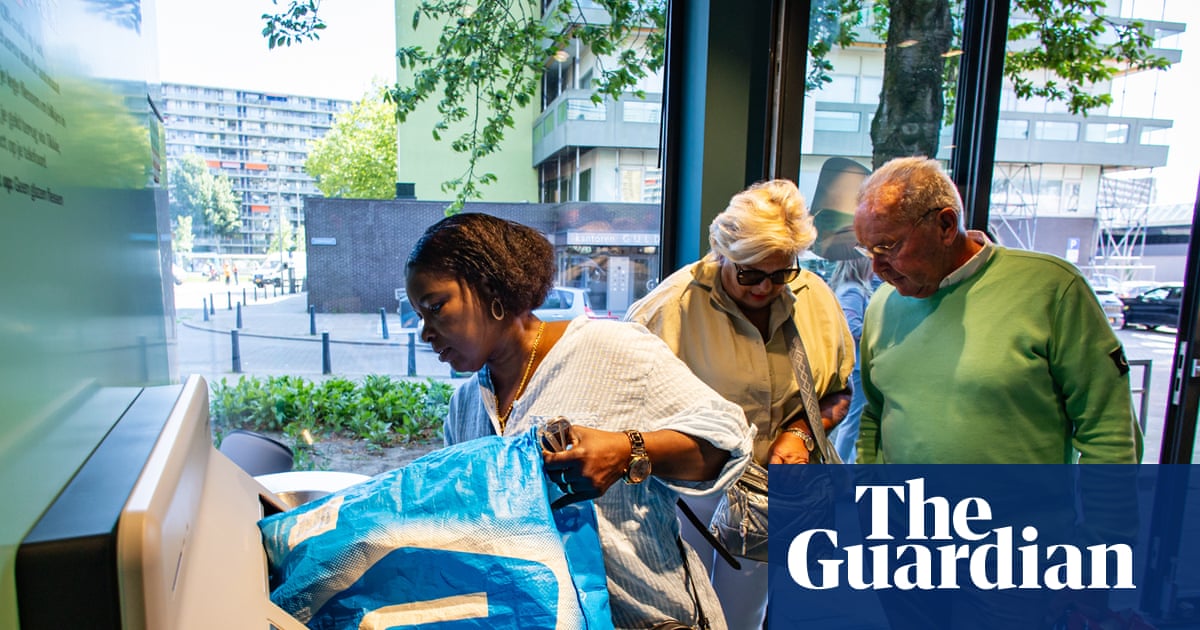
hen Mariama Kamara enters the new Statiegeld return shop on Nieuwezijds Voorburgwal, she is on a mission. She has been tasked by her aunt, who runs a nearby restaurant, with depositing three giant blue trash bags of bottles and cans. In about seven minutes she feeds the deposit machine about 350 cans, bringing in more than €50 (£43) which will go back into her aunt’s business. “It’s a really cool idea, and so convenient,” she says.
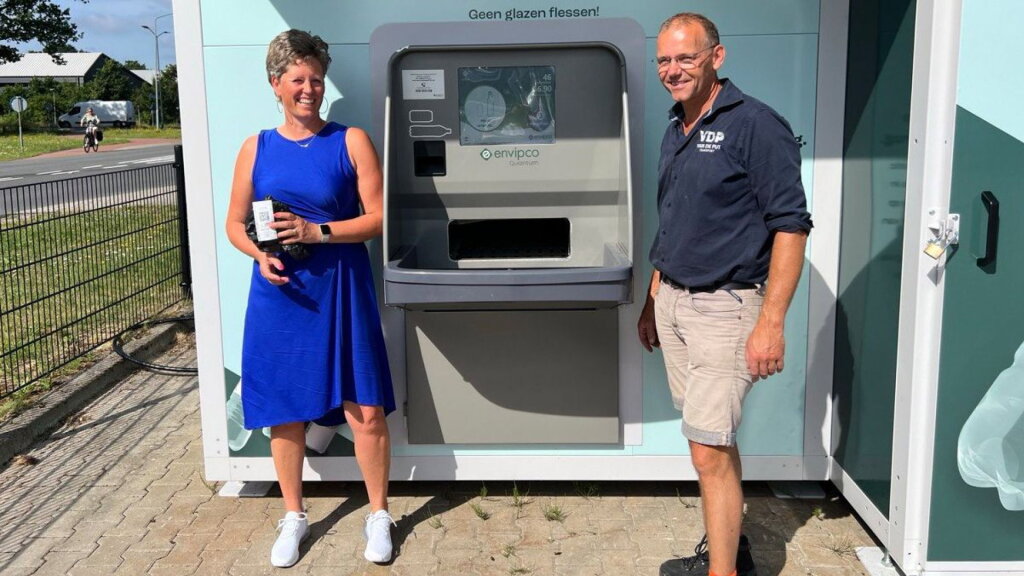
In the Netherlands, whenever consumers buy goods in cans, glass or plastic bottles, they pay a slight fee (statiegeld) that ranges from 15 cents to 25 cents depending on the size and type. This money can be reclaimed, however, when you return the container to a “reverse vending machine”, while uncollected deposits go to enlarging the scheme.
But the machines, which are usually located in grocery stores where they can catch foot traffic from customers, sometimes don’t work, or are not large enough. Stores will also only accept packaging from brands that they sell: for instance, Lidl won’t accept a Coca-Cola bottle because they don’t sell that brand there. And, unlike most of the other countries that have deposit return schemes, in the Netherlands there is no legal obligation for stores beyond supermarkets to have these machines.