The Kerala High Court has directed the State government and the State Wetland Authority Kerala (SWAK) to constitute an Ashtamudi Wetland Management Unit for the conservation of the wetland within two months of a notification being issued for this.
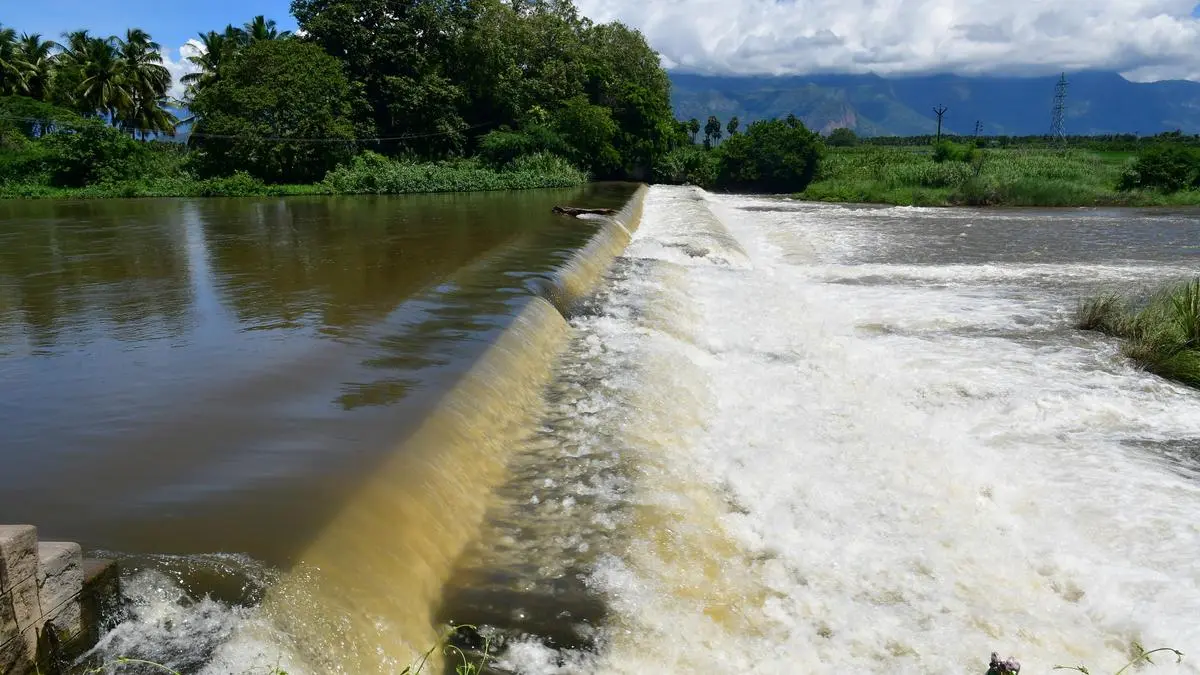
In addition, an integrated management plan for the wetland must be finalised within six months. The direction by a Bench of Chief Justice Nitin Jamdar and Justice Basant Balaji came when the court considered a public interest litigation (PIL)recently against rampant waste dumping and encroachments in the Ashtamudi wetland, which in turn was causing water pollution and the destruction of mangrove forests. The second biggest wetland in Kerala, the Ashtamudi lake was designated a Ramsar site in 2002. The Ramsar Convention is an international treaty for the conservation and sustainable use of wetlands, considering their role in biodiversity, flood control, water purification, and livelihood support.
In the PIL, Boris Paul, lawyer, and Kollam-based Help Foundation had sought a court directive to remove the encroachers and to form an independent monitoring committee to continuously monitor the lake’s conservation measures. A sanitation survey done by the Kerala State Pollution Control Board (KSPCB) around the lake in 2020-2022 revealed serious health risks due to poor waste management. Open defecation around Ashtamudi was contributing to the spread of waterborne diseases, while 18% of households discharged toilet waste directly into the waterbody.