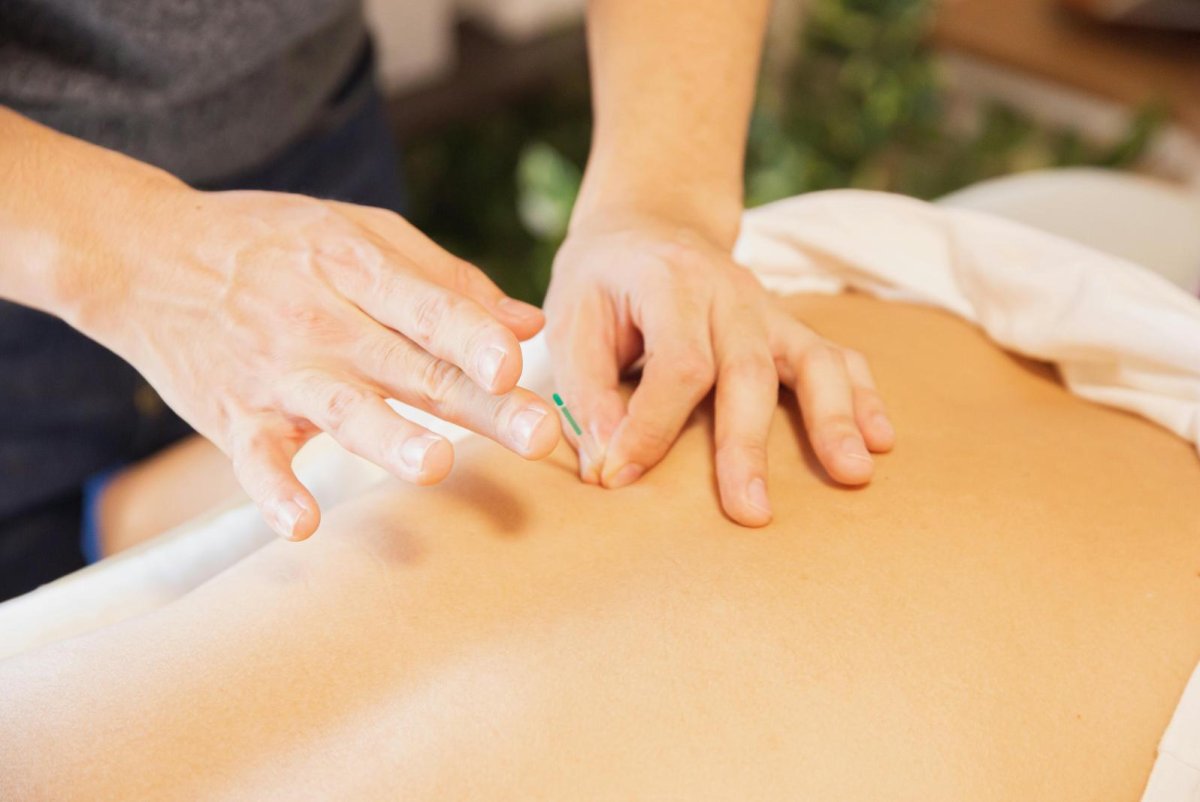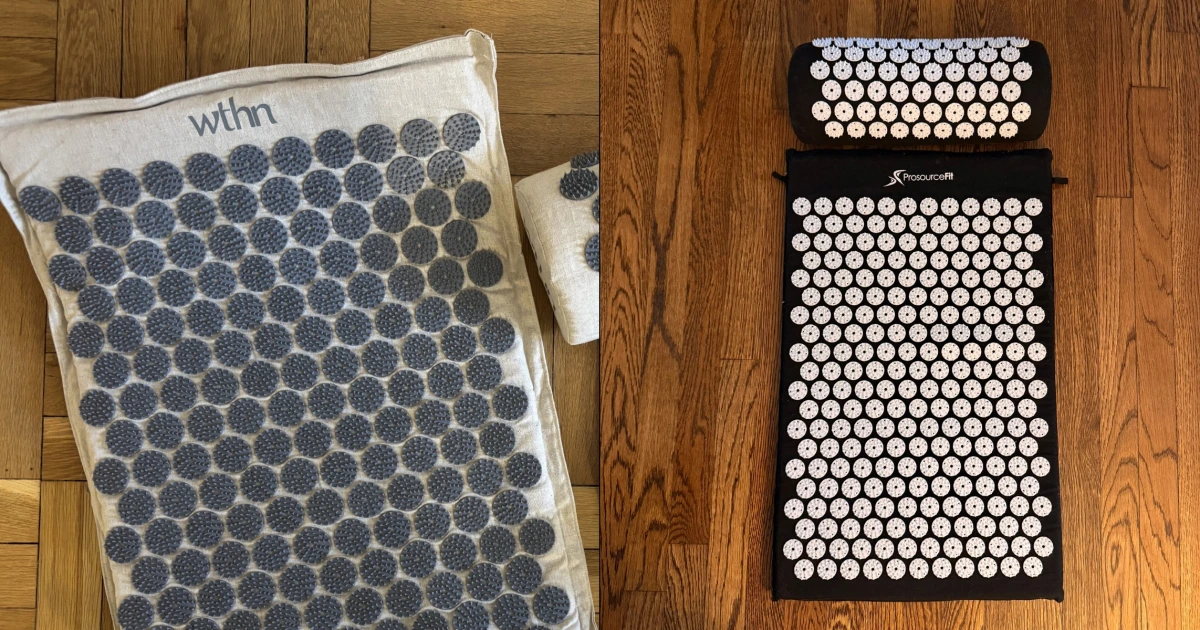
Most of us have heard of acupuncture, massage therapy, yoga and even sound baths because they are all ancient practices that have made their way into modern wellness routines. But fewer people are familiar with acupressure, a therapy rooted in the same principles as acupuncture, but without the needles. While it’s “believed to have been practiced in the East for 5,000 years or longer,” says Debbie Elam, a licensed acupuncturist at Mayo Clinic, who also specializes in acupressure, the practice remains relatively new in the West.
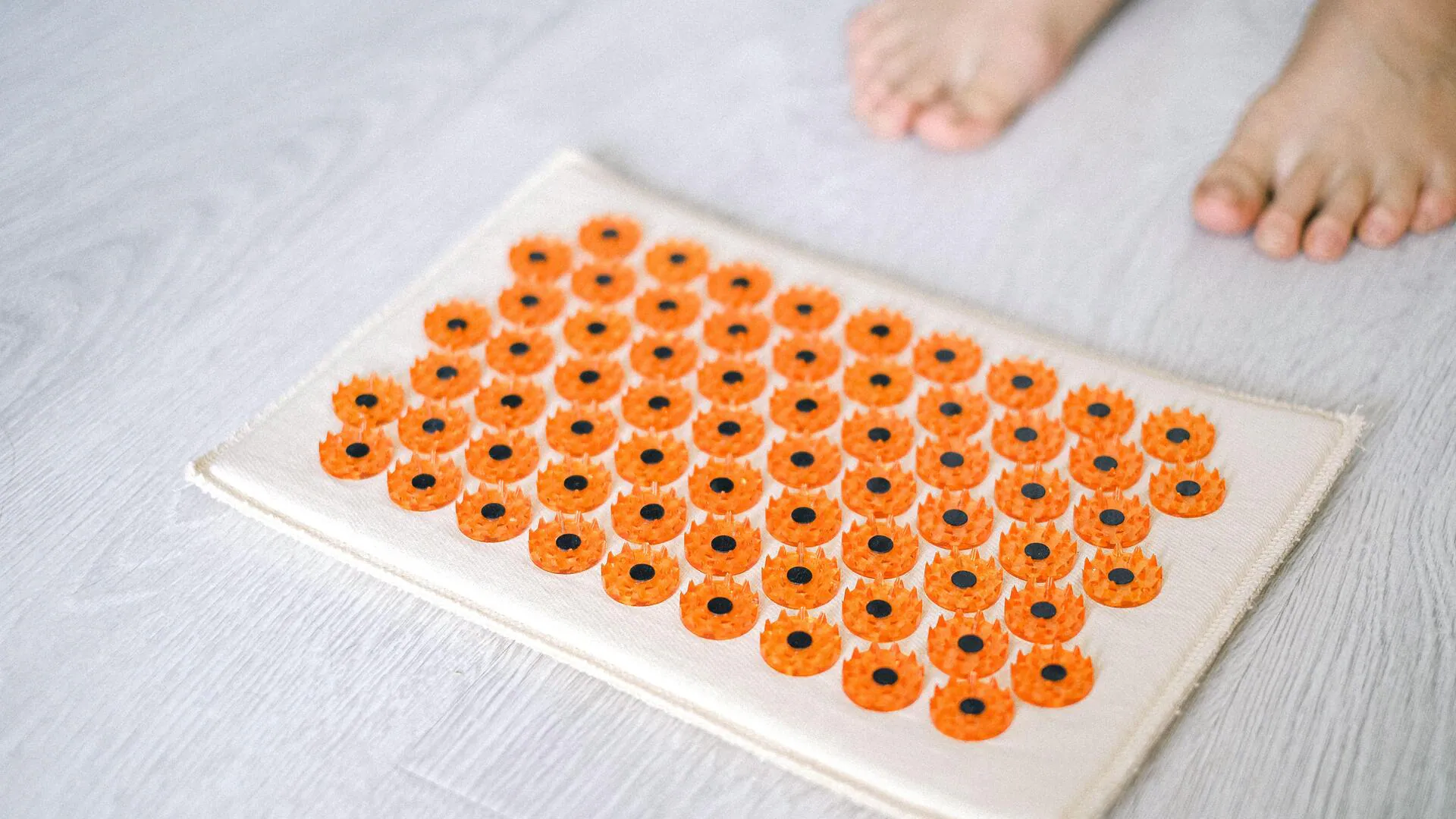
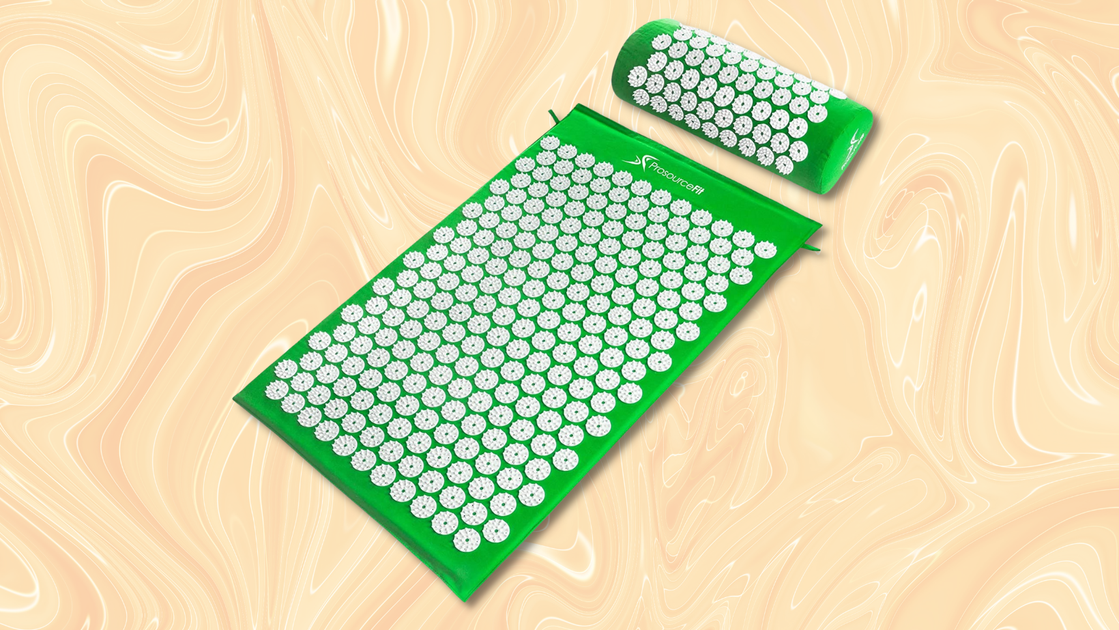
That’s beginning to change as new approaches to wellness, handheld self-massage tools and spiky mats keep getting promoted on social media. Through it all, acupressure is gaining popularity as a way to ease everything from chronic pain to anxiety. But does it actually work? And is it safe to try at home? Here’s what to know about acupressure’s potential benefits, limitations and risks.
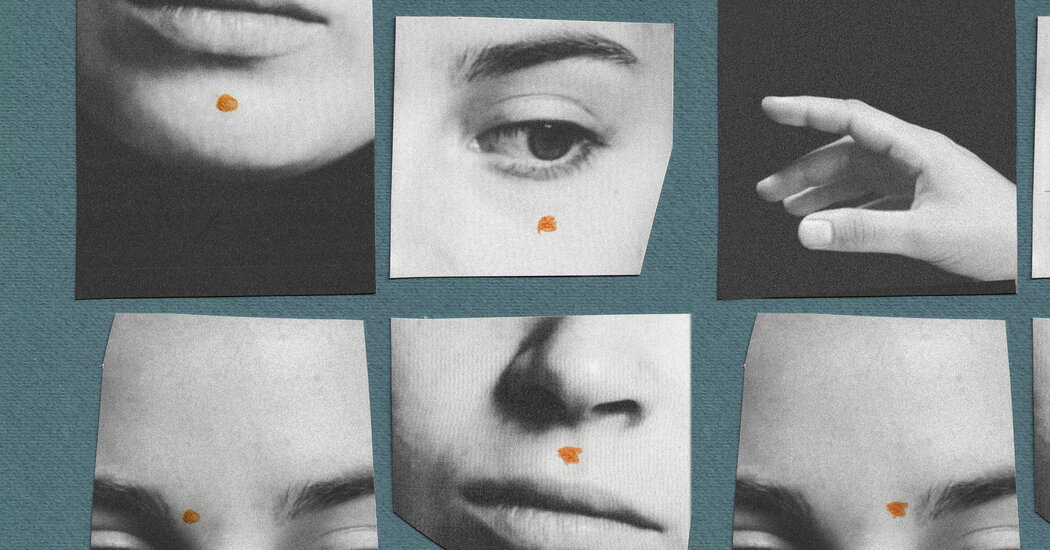
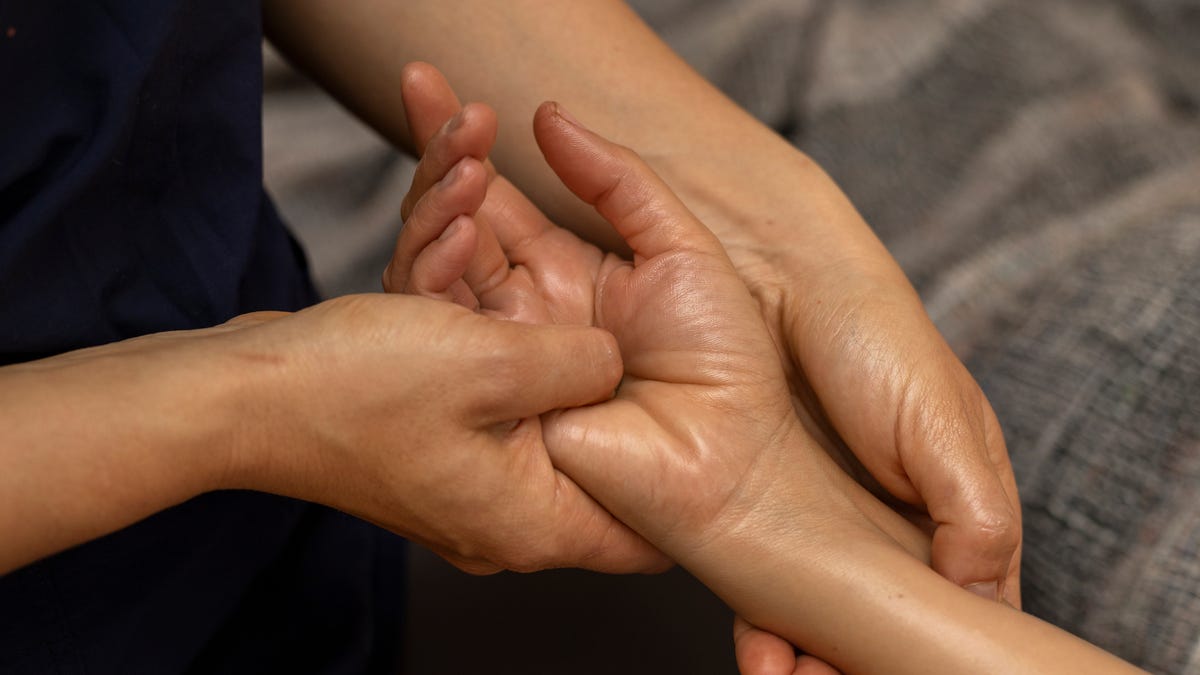
Acupressure is a form of traditional Chinese medicine (TCM) that involves applying physical pressure to specific points on the body, known as acupoints, explains Susan Murphy, a professor in the department of physical medicine and rehabilitation at the University of Michigan Medical School. These points lie along pathways called meridians, which, per TCM, are channels through which flow vital energy known as “qi," (pronounced chee). When this energy is blocked or unbalanced, TCM proponents believe it can lead to physical or emotional distress.