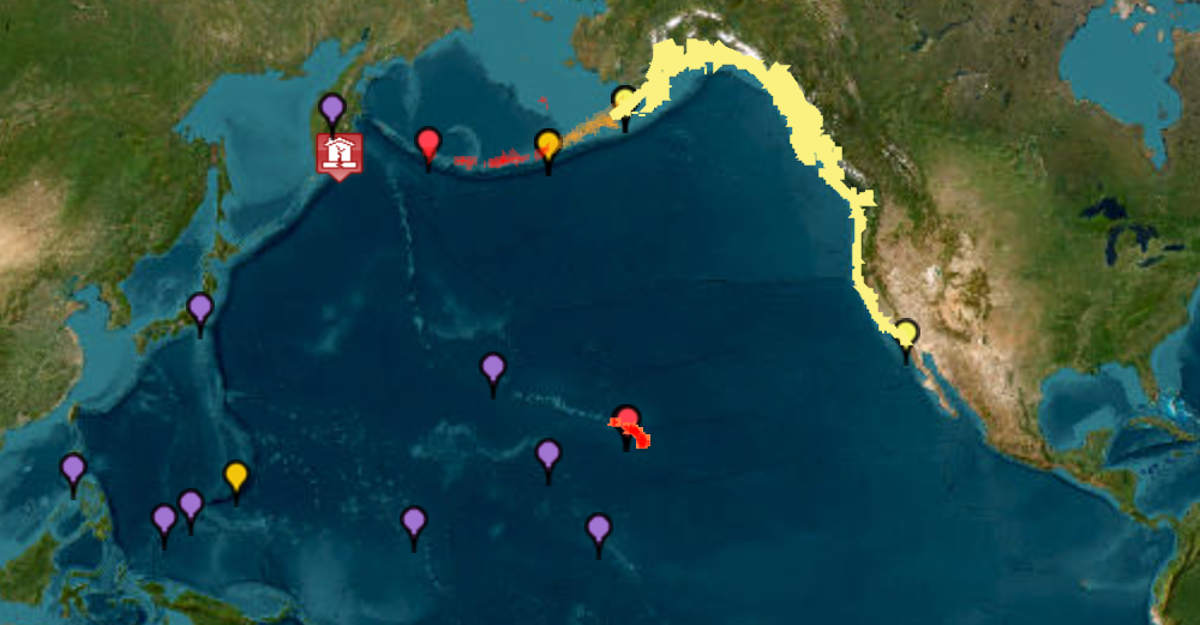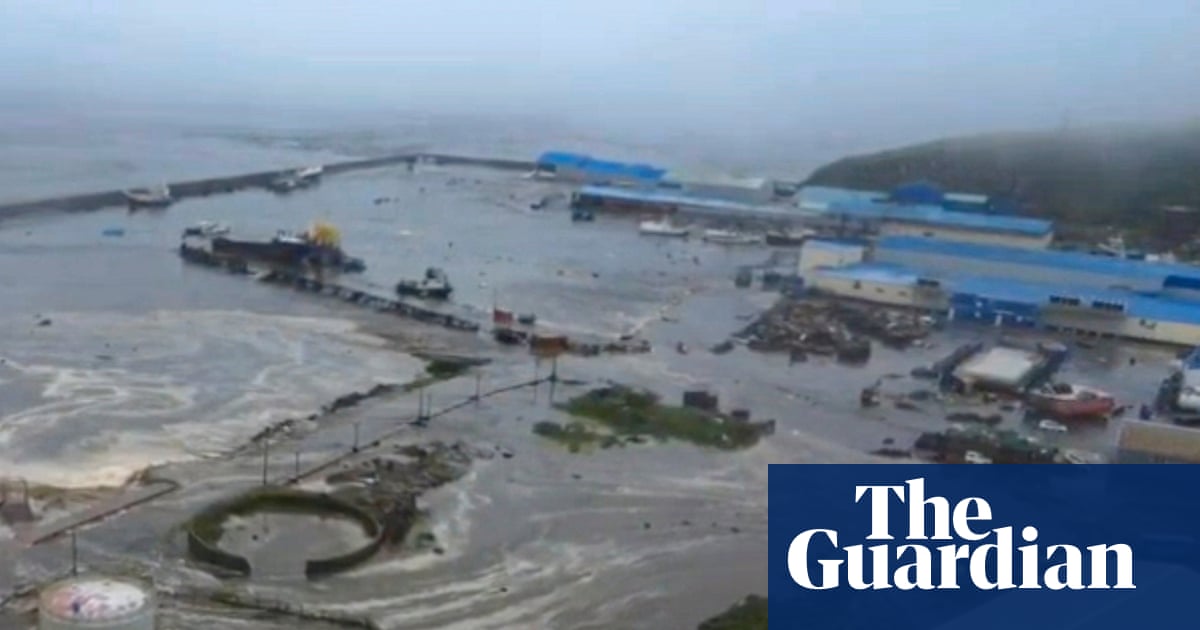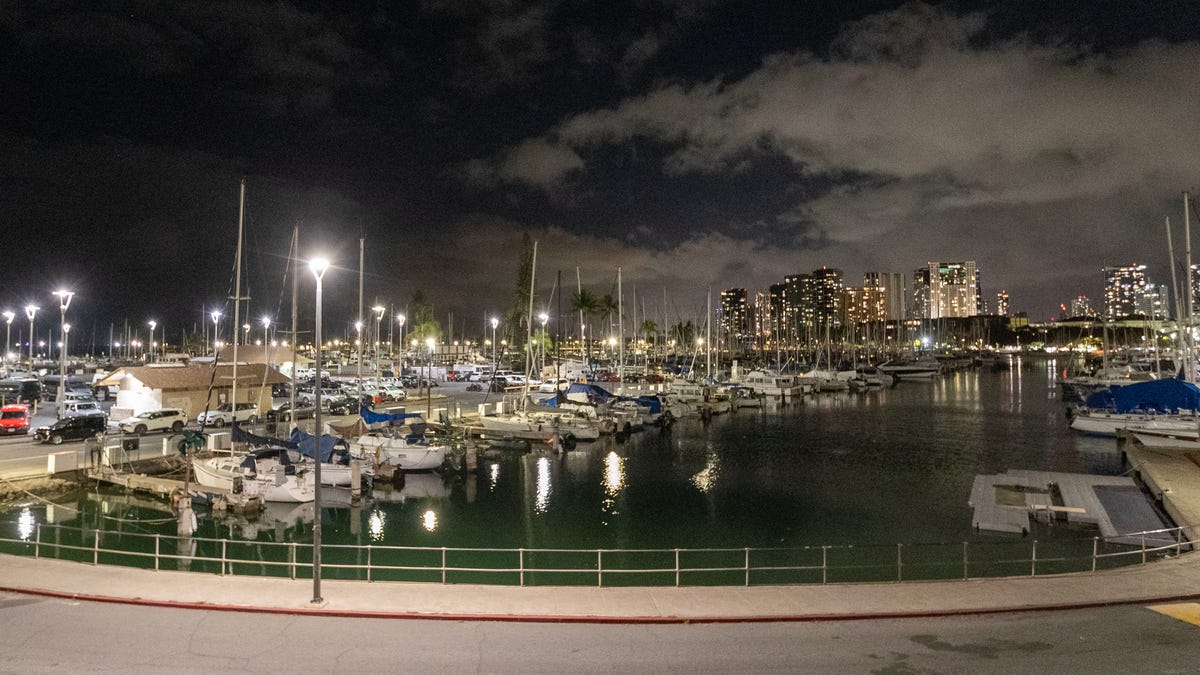
The state of Hawaii is one of the more tsunami susceptible spots in the world, thanks to its remote location in the Pacific Ocean, surrounded by the infamous seismic activity known as the "ring of fire."
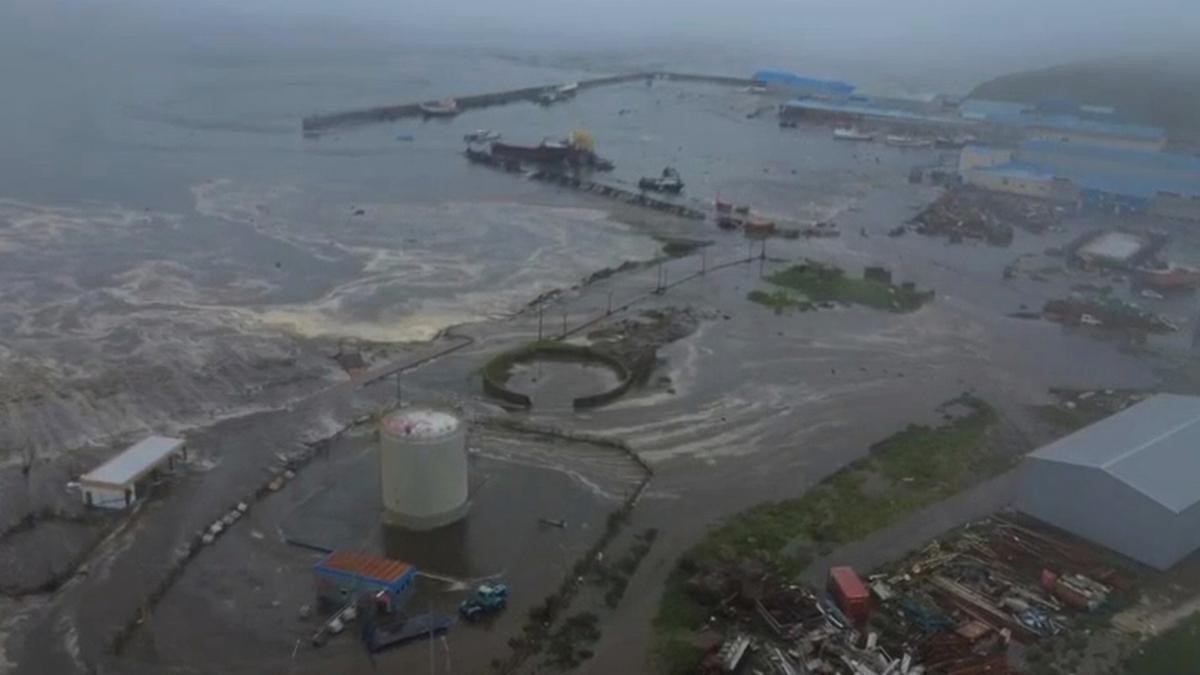
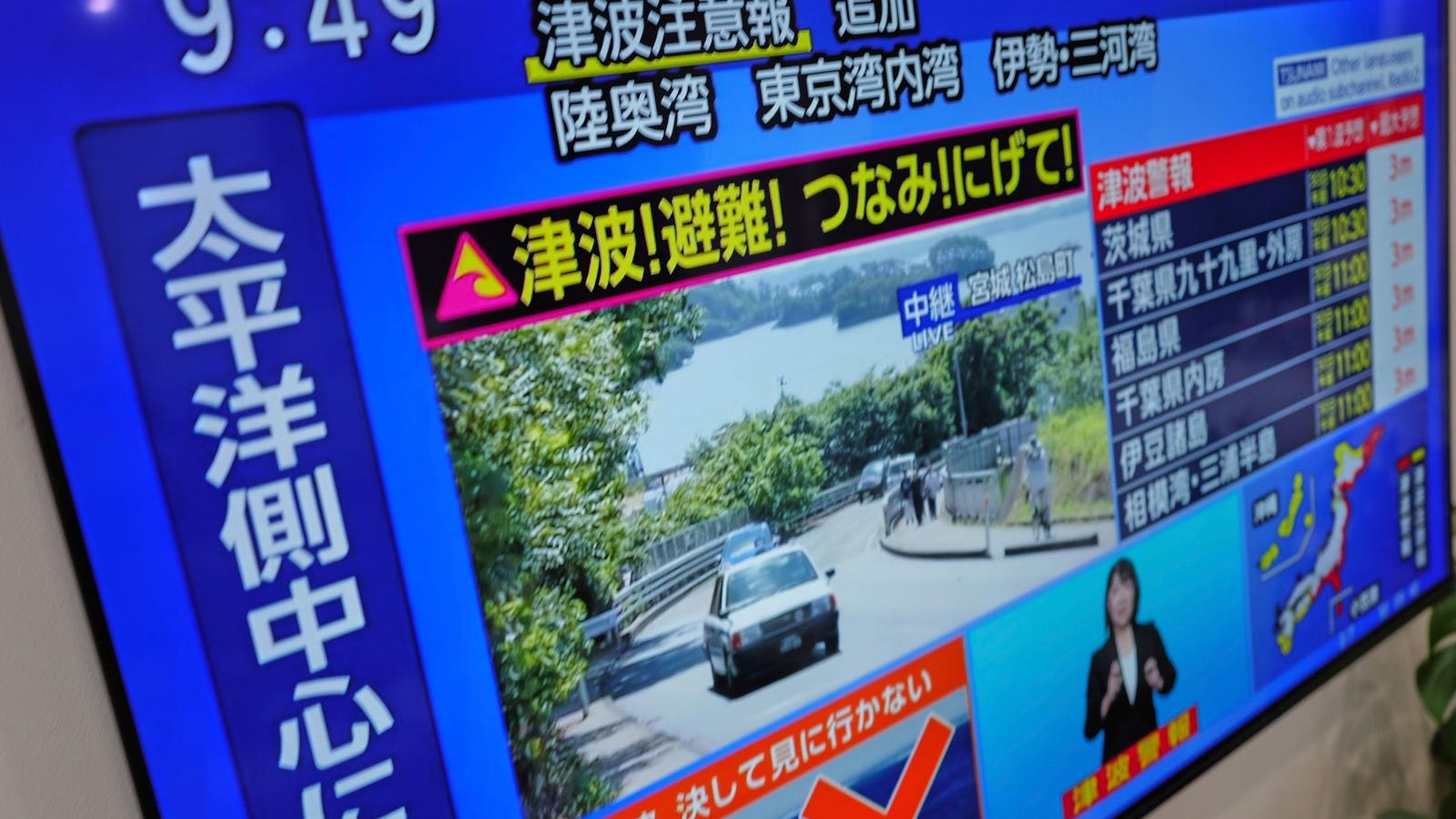
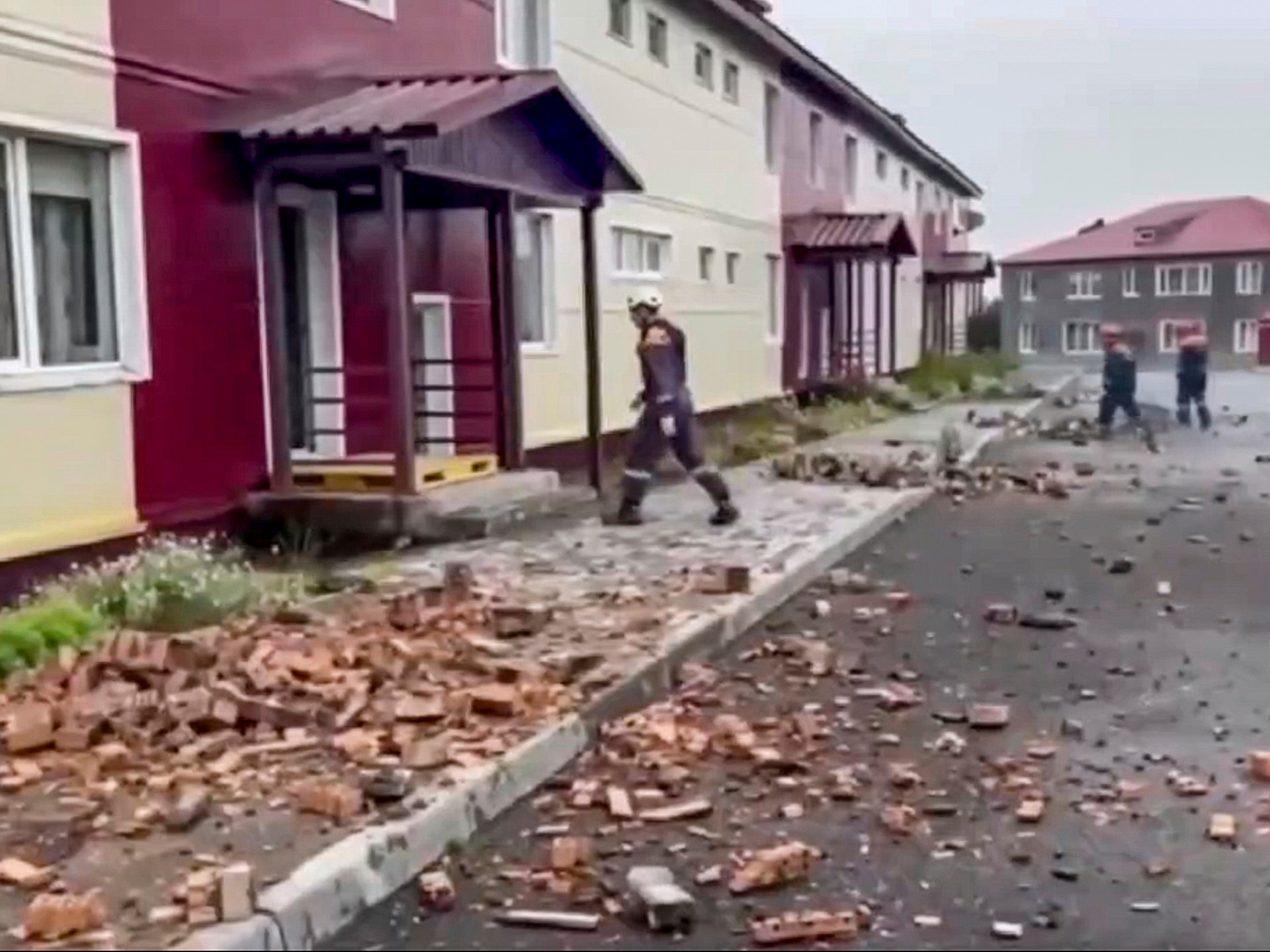
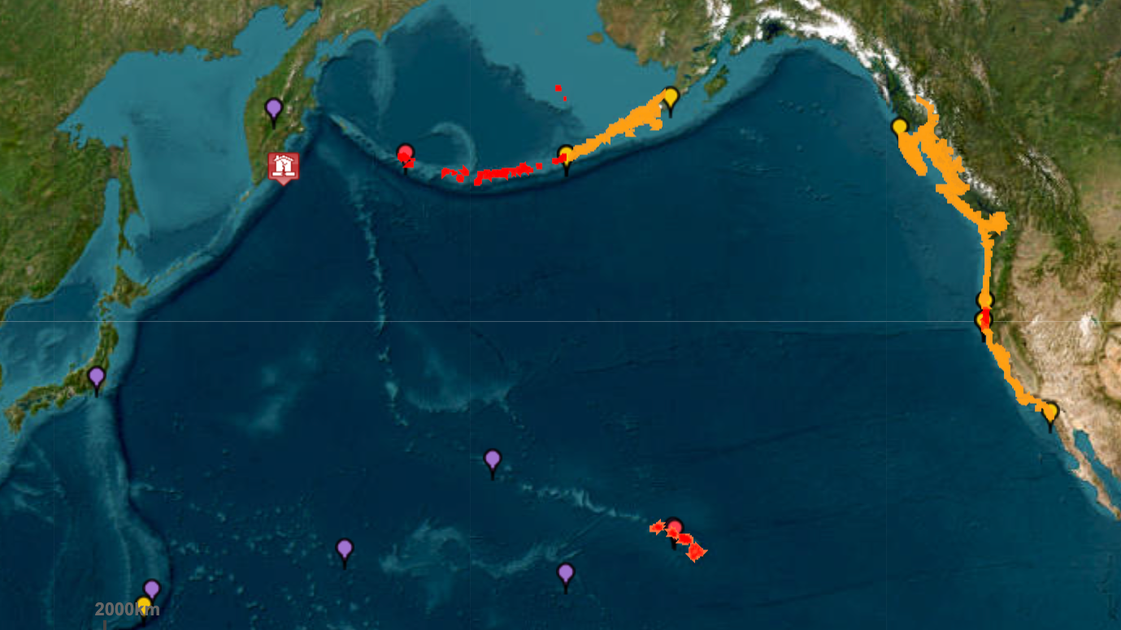
So it wasn't a great surprise to see the tsunami warnings arrive after the massive 8.8 magnitude earthquake off Russia's Kamchatka Peninsula on July 29.
Tsunami waves can arrive in the islands from any location around the ocean, including Russia, South America and Alaska and the Aleutian Islands, according to the National Oceanic and Atmospheric Administration. On average, Hawaii experiences destructive tsunamis about once every 11 years.
The earliest historical accounts emerge from oral histories of the islands, including a 16th century chant about a wave that struck the coast of Molokai'i.
On Dec. 21, 1812, a wave arrived at Ho’okena on the west coast of the Big Island and became the first recorded tsunami event, NOAA said. Since then, more than 160 tsunamis have been confirmed in the Hawaiian Islands, according to NOAA and other scientific papers. Nine of those tsunamis have caused 294 deaths and more than $625 million in damages.