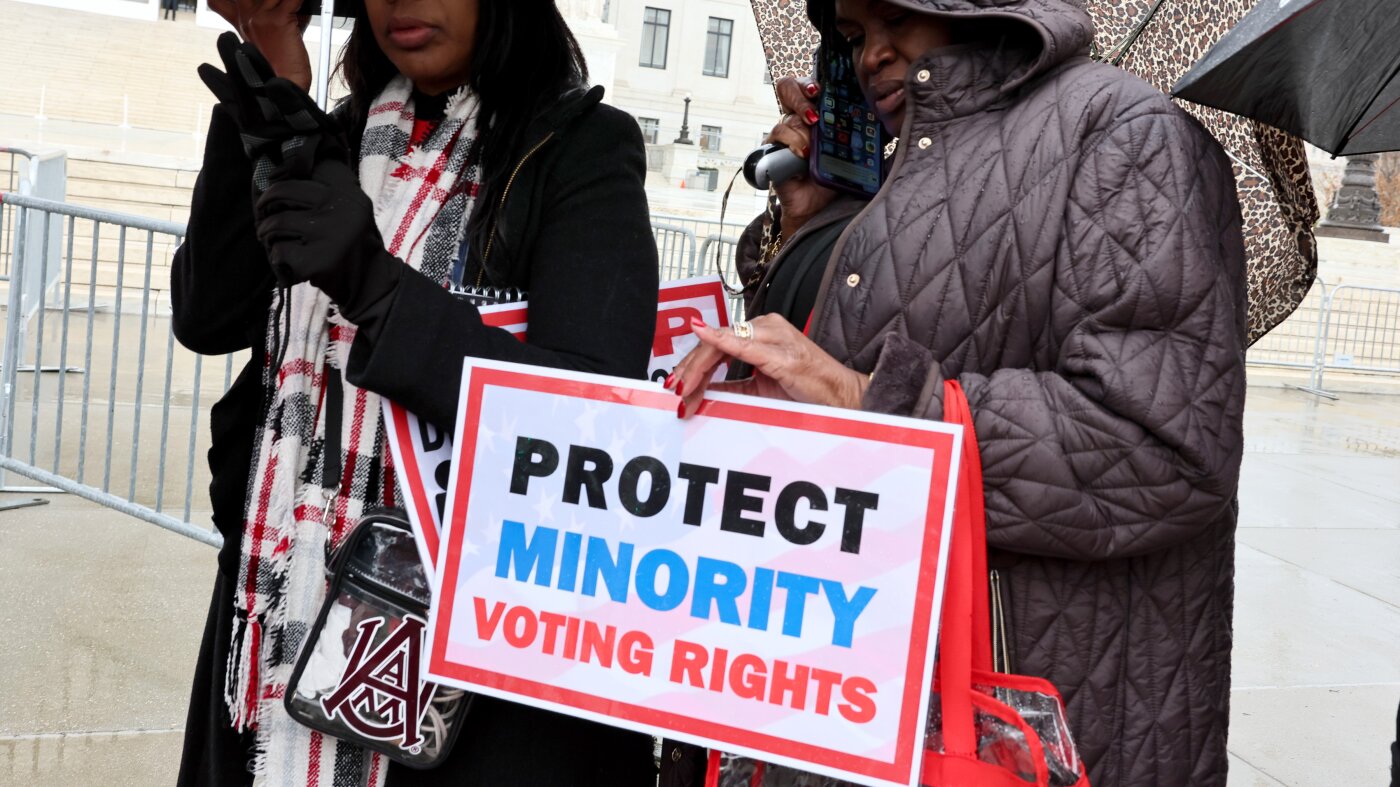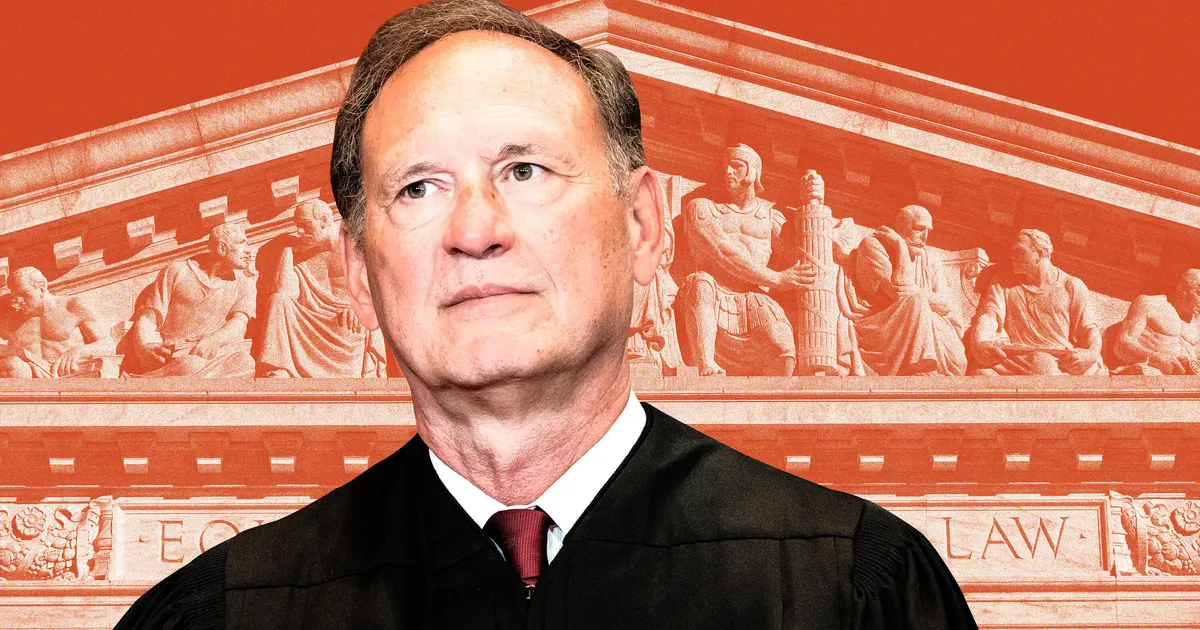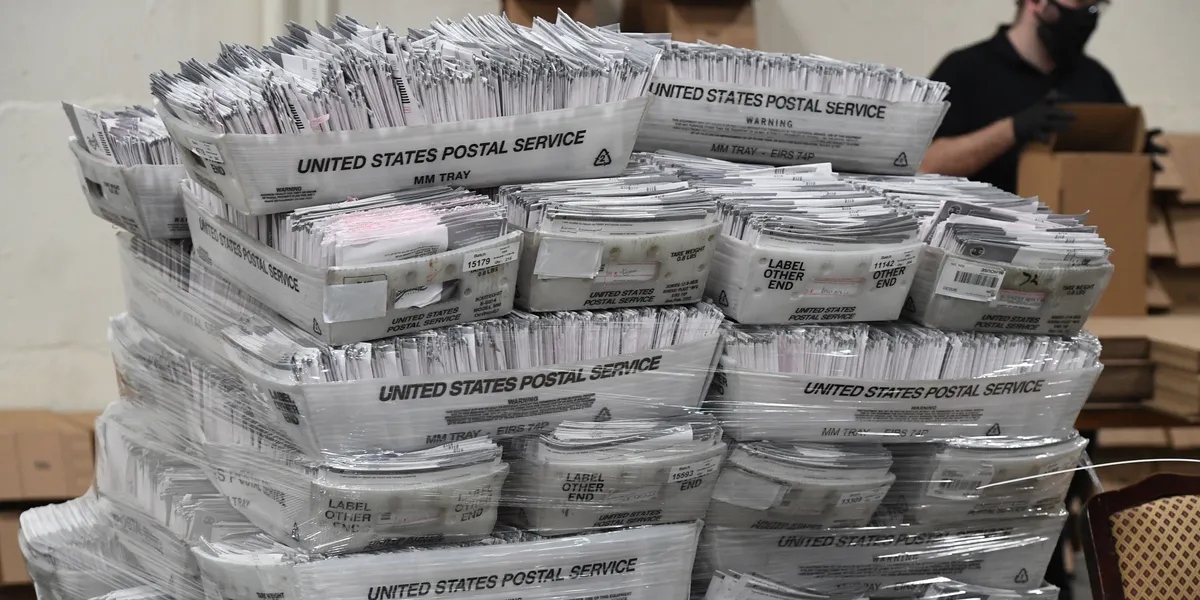
The voting rights of disabled people, blind people and non-English speakers took a massive hit this week thanks to a federal appeals court ruling that found individual voters and private groups do not have the right to file lawsuits under a key provision of the Voting Rights Act.
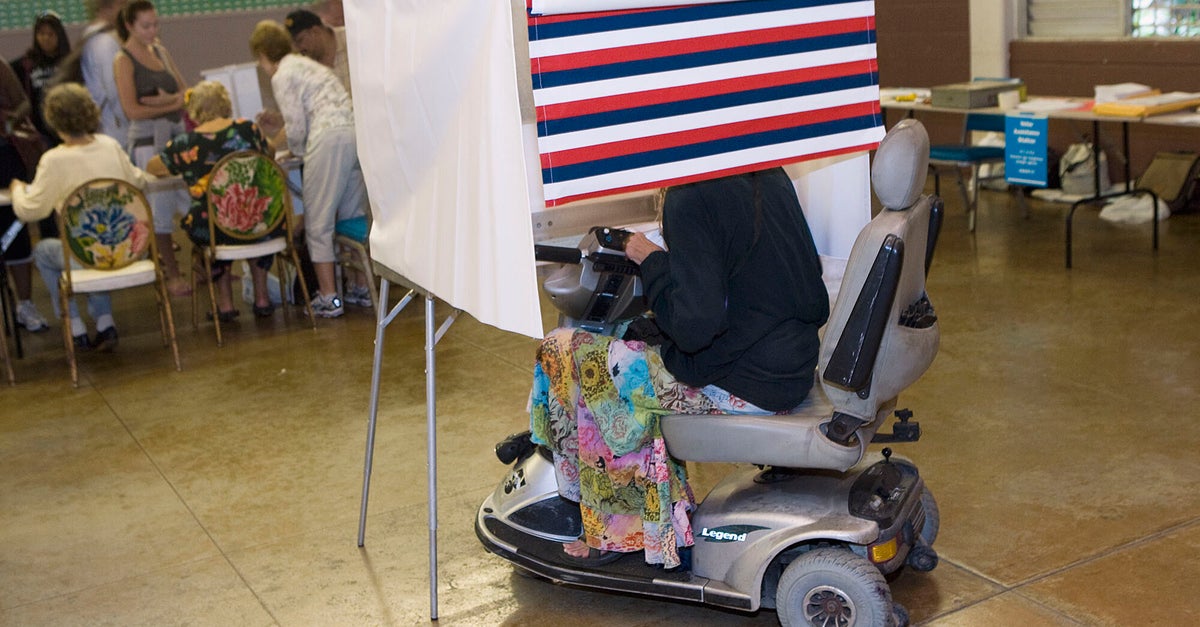
The Eighth Circuit Court of Appeals ruled only the Justice Department has the ability to initiate lawsuits alleging violations under Section 208 of the Voting Rights Act. Section 208 expressly allows voters who need assistance casting their ballot due to blindness, disability, inability to read or write, or if they have trouble with English as a first language, to bring someone into the voters’ booth with them to help them cast their ballot.
Section 208 does not create a “private right of action” or the ability of an individual to sue because the provision “speaks only of the assistance that a voter may be given … it is silent as to who can enforce it,” wrote the Trump-appointed appellate Judge Steve Grasz on behalf of the three-judge panel.
The court’s ruling on Monday falls in line with a controversial 2023 decision involving the Arkansas State Conference NAACP. The group sued the Arkansas Board of Apportionment and challenged the drawing of the Arkansas State House map after the state’s redistricting had created just 11 majority-Black districts when 16 majority-Black districts, the NAACP argued, would have been more reflective of the actual population.