T
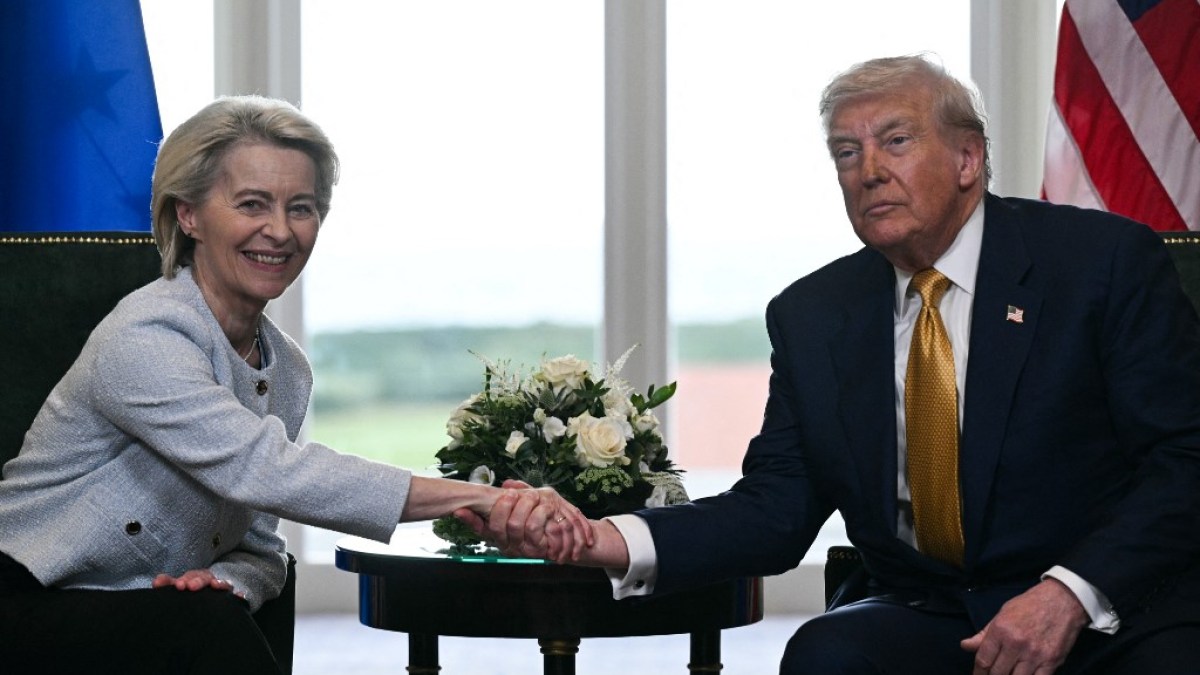
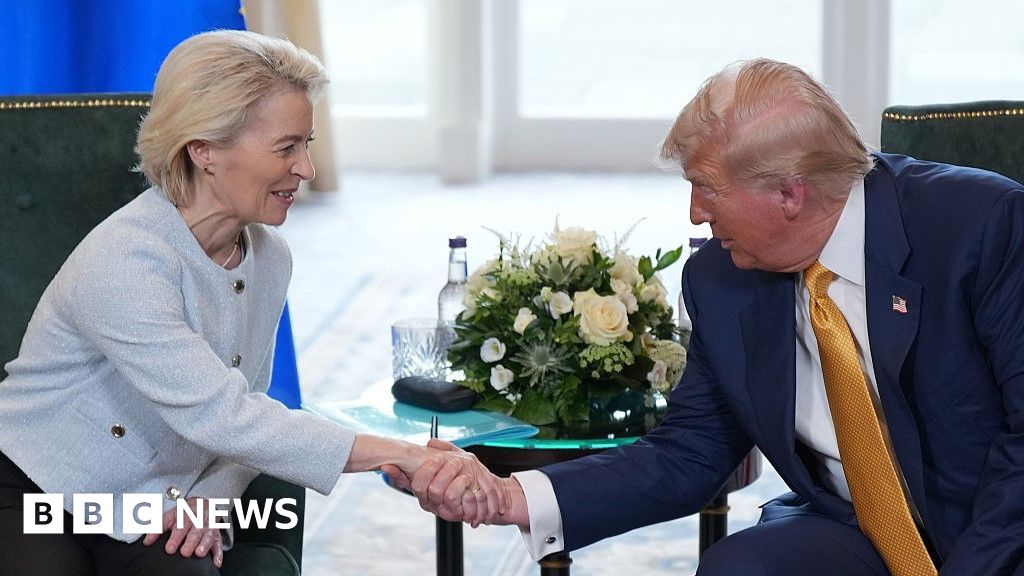
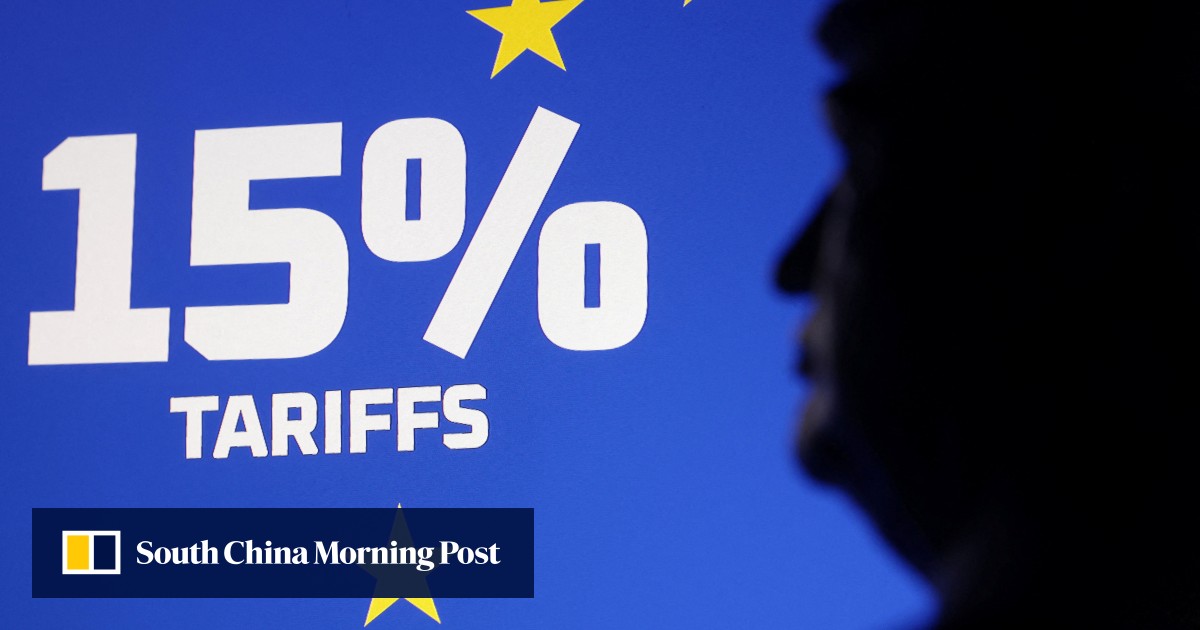
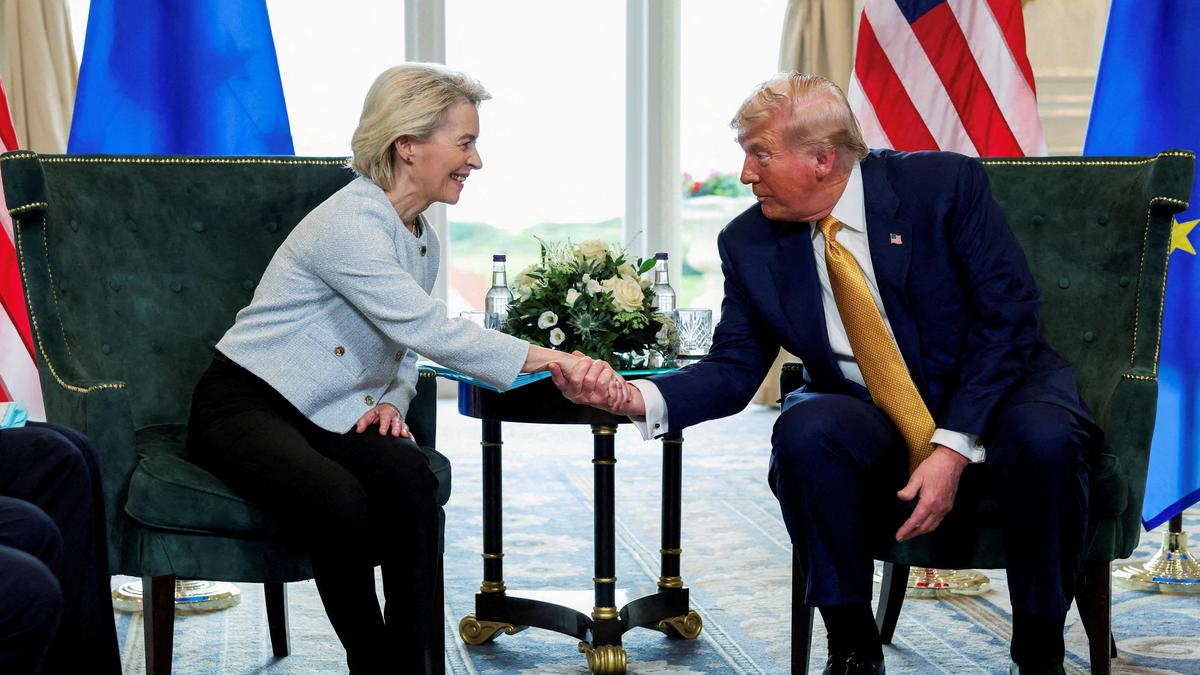
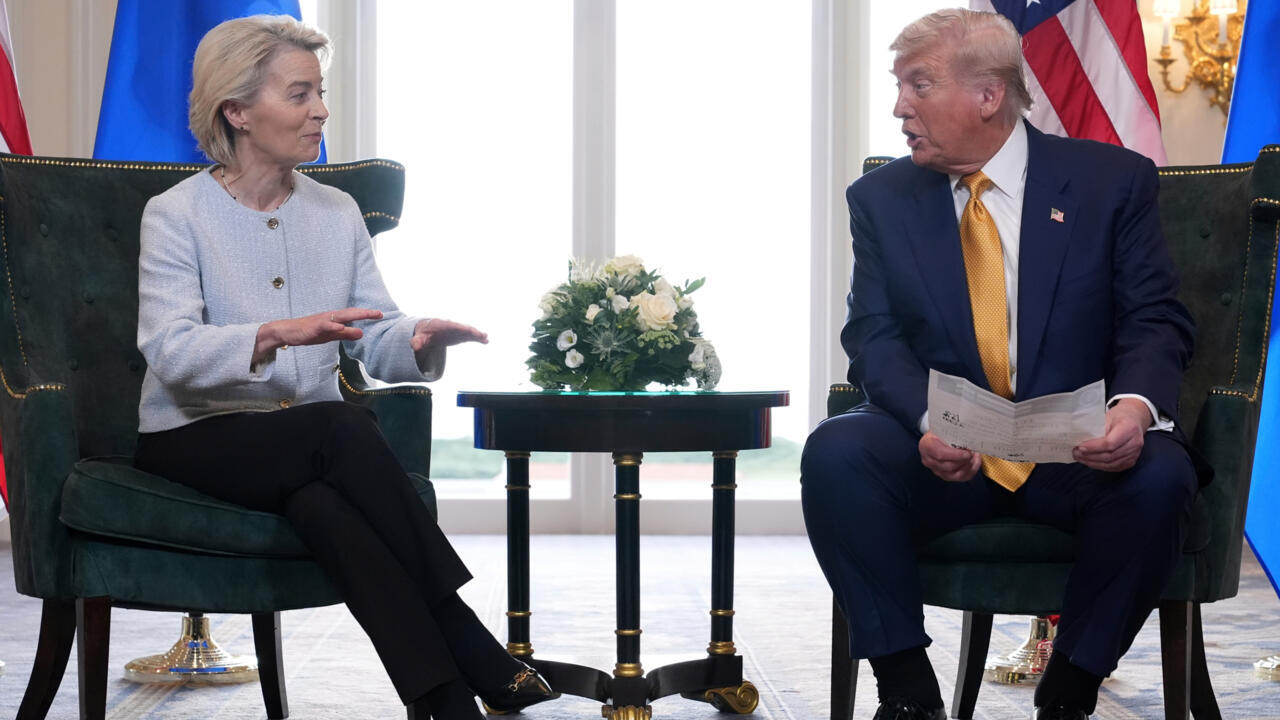
he agreement reached on Sunday, July 27, between US President Donald Trump and European Commission President Ursula von der Leyen favors the United States, which will now impose a 15% tariff on goods imported from the European Union (EU), without reciprocity. Nevertheless, in its relationship with the US, the 27-member states are not powerless. According to Eurostat, the European Union's official statistics office, the EU has consistently increased its trade surpluses with the US over the decades. In 2024, these surpluses related to goods trade totaled €198 billion for the entire Union.
Subscribers only
Tariffs: EU hands Trump a political win to avoid trade chaos
All US presidents, each in their own way, have tried to address this trade deficit with Europe. Their main challenge lies in the fact that the US is a major geopolitical power, while the EU has prioritized economic and commercial strength above all else. Today, the US produces little and sells poorly in Europe. Reorganizing in an economic war takes time and involves complex stakes. Unable to quickly correct the trade deficit with Europe, the US has chosen to tax European exports to its market.